

Emergency & Help
24/7 Emergency & General Advisory
🚨 24/7 Medical Emergency
Non-Emergency Advisory
10:00 AM – 6:00 PM, Mon–Sat
For appointments & general queries.
24/7 Emergency & General Advisory
🚨 24/7 Medical Emergency
Non-Emergency Advisory
10:00 AM – 6:00 PM, Mon–Sat
For appointments & general queries.
Most people can return to a normal diet within a day or two of hernia surgery, but some food choices make recovery smoother. Start with light, easy-to-digest meals. Then add fiber, lean protein, and plenty of fluids to support healing and prevent constipation.
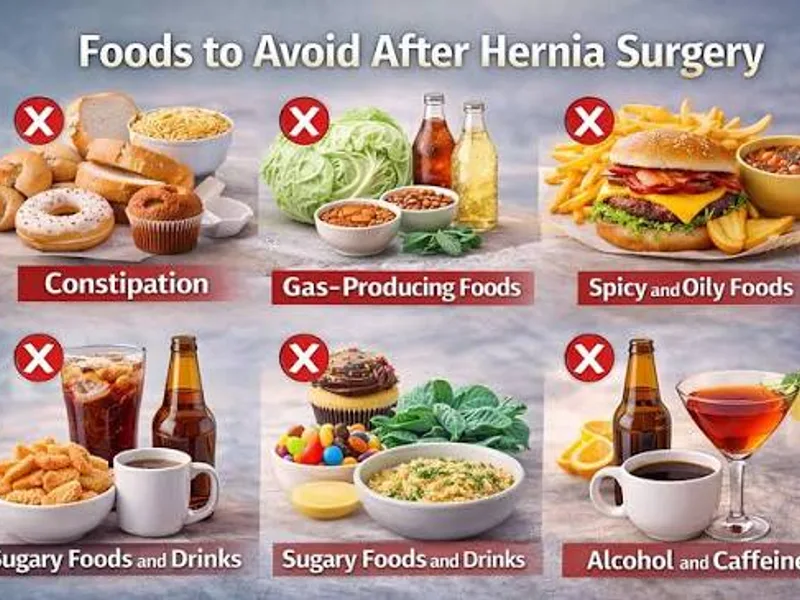
After hernia surgery, most people can go back to their regular diet once nausea from anesthesia passes. Start with light, easy-to-digest foods, then focus on fiber, lean protein, and plenty of fluids. The main goal is to support healing and avoid constipation, because straining puts pressure on the surgical repair. Always follow the specific instructions from your surgeon, since needs vary by procedure.
Not really. GoodRx Health notes that there is no single required diet after hernia repair. What helps is choosing nutrient-rich foods that support wound healing and keep your gut working.
Hernia repair is common, and many patients go home the same day. That means recovery happens in your own kitchen, and what you eat is largely up to you.
Anesthesia and pain medicines can leave your stomach unsettled. Start small.
Sip water or clear fluids first. If those stay down, try plain foods such as toast, crackers, rice, bananas, soup, or yogurt. Eat slowly and stop when you feel full. Big, heavy meals can cause nausea and bloating, which is the last thing you want with a fresh incision.
Guidance summarized by Livestrong, citing Kaiser Permanente, says many people whose incision is near the belly button or lower in the abdomen can return to a regular diet the day after surgery. Your own timeline may differ.
Constipation is the biggest concern. It is common after surgery, even in people who don't usually have it. Anesthesia, pain medicines, diet changes, and less movement can all slow the bowels.
Straining to pass a stool raises pressure inside the abdomen and pulls on the area that was just repaired. Good food and fluid choices keep stools soft, so you don't have to push.
[REVIEWER: add clinical insight here on how surgeons counsel patients about straining and early bowel habits, including when to use stool softeners.]
Fiber adds bulk and softness to stool. Good options include oats, brown rice, whole-grain bread, beans, lentils, and vegetables. Fruits such as apples, pears, berries, oranges, and papaya also help.
Add fiber gradually. If you eat a lot of beans or raw vegetables right after surgery, you may end up gassy and uncomfortable. Some hospital guides suggest easing into high-fiber foods over the first few days if your stomach feels sensitive.
Protein is the raw material your body uses to repair tissue. GoodRx Health lists fish, tofu, and poultry as good options. Eggs, lentils, low-fat dairy, and yogurt also work.
Choose gentle cooking methods like poaching, steaming, or baking. Fried or heavily spiced proteins can be harder on a sensitive stomach.
Fiber works best when you drink enough water. Without it, extra fiber can make constipation worse. GoodRx Health suggests roughly 8 to 10 cups of fluid a day to help prevent constipation. Water, herbal tea, clear soups, and diluted juice all count.
If you have heart or kidney conditions or are on a fluid restriction, ask your doctor what amount is right for you.
Some hospital recovery guides recommend yogurt and fermented foods to support digestion, especially if you've taken antibiotics. Evidence for specific benefits after hernia surgery is limited, so treat these as a reasonable addition rather than a requirement.
In the early days, go easy on foods that can slow digestion or create gas:
Greasy, fried, or fast foods
Very spicy dishes
Carbonated drinks
Sugary drinks and desserts
Highly refined foods like white bread and pastries, which offer little fiber
These won't damage your repair. But they can leave you bloated or constipated, and that discomfort is worth avoiding. Alcohol is best skipped while you're taking prescription pain medicine, and your surgeon can tell you when it's safe again.
A realistic recovery menu might look like this:
Breakfast: Oatmeal with berries and a spoonful of yogurt
Mid-morning: A pear or apple and a glass of water
Lunch: Lentil soup with whole-grain toast
Afternoon: Yogurt or a small handful of nuts (if you tolerate them)
Dinner: Baked fish or chicken, steamed carrots, and brown rice
Throughout the day: Water, herbal tea, or clear broth
Small, frequent meals often feel better than three large ones, especially in the first few days.
Poor appetite is normal after surgery. Pain, medicines, and tiredness all play a part. Try smaller portions of nutrient-dense foods: smoothies with yogurt and fruit, scrambled eggs, soups, or porridge.
Don't force large meals. Do try to keep fluids and some protein coming in. If you can't keep food or liquid down for more than a day, contact your surgeon.
[REVIEWER: add clinical insight here on how nausea, opioid use, and appetite loss differ by open versus laparoscopic repair, and when to seek follow-up.]
Diet is only part of bowel health. Walking, once your surgeon clears it, helps stimulate the gut and improves circulation. GoodRx Health lists daily walking alongside fluids and fiber as a way to prevent constipation.
Avoid heavy lifting and strenuous exercise until your surgeon says otherwise. Hospital guidance commonly puts full recovery at around four to six weeks, though most people return to light activity sooner.
Food can't fix everything. Contact your surgeon or seek urgent care if you have:
No bowel movement for several days despite fluids and fiber
Severe or worsening abdominal pain or swelling
Persistent vomiting
Fever, or redness and discharge at the incision
Pain that isn't controlled by the medicine you were given
Don't start laxatives or supplements without checking with your care team, especially if you take other medicines.
How soon can I eat normally after hernia surgery?
Many people start with light foods the same day and return to regular meals within a day or two. Kaiser Permanente guidance, reported by Livestrong, suggests those with incisions near the belly button or lower can often eat normally the next day. Your surgeon's instructions take priority, especially after complex or open repairs.
What foods should I avoid after hernia surgery?
Limit greasy, fried, heavily processed, and very spicy foods, along with carbonated drinks, in the early days. They can slow digestion or cause gas and bloating, which adds pressure to the abdomen. Highly refined, low-fiber foods can also contribute to constipation. Ask your surgeon if you have other restrictions.
How can I prevent constipation after hernia surgery?
Drink plenty of fluids, eat fiber-rich foods like oats, fruit, vegetables, and legumes, and walk once your surgeon says it's fine. Pain medicines and reduced activity often slow the bowels. If several days pass without a bowel movement, ask your surgeon about a stool softener before straining.
Do I need extra protein to heal after hernia surgery?
Protein supports wound healing and immune function, so include lean sources like eggs, fish, poultry, tofu, lentils, or yogurt at meals. Supplements are only worth considering if your appetite is poor, and you should check with your care team first. A dietitian can advise on the right amount for your body and health conditions.
How long should I follow a recovery diet?
Fiber and fluid habits are worth keeping throughout recovery, which hospital guidance often puts at about four to six weeks, depending on the type of surgery. Many people find these habits help long term too. Your surgeon will tell you when activity limits and other restrictions can ease.
Visit Hospital
Near You