We are here to assist you.
Health Advisor
+91-8877772277Available 7 days a week
10:00 AM – 6:00 PM to support you with urgent concerns and guide you toward the right care.
Instant access to top-rated medical experts. Book clinic visits or home treatments in seconds.
Professional Care
Cardiac Care
Pharmacy
Vaccination
Specialized Tests
Checkups
Live Monitoring
Neurology
Emergency
Compassion
Verified
Specialists
Instant
Booking
Home
Visits
Happy Patients
Expert Consultations
Connect with over 30,000+ verified doctors across 20+ medical specialities.
Get discovered easily by patients searching by specialty, location, and expertise.
Connect instantly with patients via call, WhatsApp, email, or clinic booking.
Doctar doesn't charge on consultations, only promotes visibility for doctors.
Every doctor listed on Doctar has a complete profile with qualifications, specialization, and experience details. This helps patients make confident and informed choices when selecting the right healthcare professional.
Patients don't need to wait or go through middlemen. Doctar allows them to connect directly with doctors through phone calls, WhatsApp, email, or even by booking a clinic visit online — all in just a few clicks.
Searching for the right doctor on Doctar is completely free for patients. The platform is designed to be fast, easy to use, and accessible anytime, making healthcare more approachable and stress-free.

Thousands of doctors near you - find the right specialist easily
Transparent consultation fees - no hidden charges
Complete doctor profiles - experience, specialization, reviews
Lowest booking & consultation fees*
Instant appointment booking - connect with doctors in one click
Limited doctors and specialists available
Higher and unclear charges
Minimal information provided
High booking and consultation charges*
Difficult and time-consuming to book appointments

Expert care is just a click away.
Thousands of doctors near you - find the right specialist easily
Transparent consultation fees - no hidden charges
Complete doctor profiles - experience, specialization, reviews
Lowest booking & consultation fees*
Instant appointment booking - connect with doctors in one click
Limited doctors and specialists available
Higher and unclear charges
Minimal information provided
High booking and consultation charges*
Difficult and time-consuming to book appointments
* Conditions apply. Comparison based on internal platform audits and general market research as of 2026.
A simple, transparent process designed for both patients and healthcare providers.
Browse and search for qualified doctors by specialty, location, and expertise. View complete profiles with qualifications and patient reviews.
Get direct contact with doctors through phone, WhatsApp, email, or book clinic appointments online without any middleman delays.
Consult with verified doctors, receive quality healthcare, and build lasting relationships with trusted medical professionals near you.
To make quality healthcare accessible and reliable by connecting patients with trusted doctors and hospitals in 1260 Cities through a simple, transparent, and nationwide digital healthcare platform.
To revolutionize healthcare using AI by providing smart doctor recommendations, easy bookings, and secure services, making quality medical care accessible to everyone, everywhere in India.

Engage in genuine and confident discussions with industry-leading experts. Foster mutual trust, share valuable insights, and encourage collaborative, innovative problem-solving for shared, impactful health outcomes.
Get answers to common questions about Doctar in your area
When imaging scans, such as a mammogram or ultrasound, identify a concerning region within the mammary gland, further investigation becomes crucial. This vacuum-assisted sampling technique provides a precise, minimally invasive way to assess these findings.
The advanced diagnostic method aids physicians in determining if a lesion is benign (non-cancerous) or malignant (cancerous). Such definitive information offers significant reassurance to individuals.
A vacuum-assisted sampling (VAB) of the mammary gland, commonly known as VAB, employs a specialized device to collect cellular specimens. Unlike conventional surgical interventions, this method requires only a tiny incision.
A hollow probe gently extracts numerous specimens through a single insertion point. This approach ensures comprehensive collection with less discomfort for those affected.
Early detection proves vital for addressing malignancy of the mammary gland, a condition affecting many in India. A 2022 report by the Indian Council of Medical Research (ICMR) indicated this malignancy is the most prevalent form of cancer among Indian women, with incidence rates rising significantly in urban areas.
That's the part worth remembering.
An accurate diagnosis made early can lead to improved outcomes. The vacuum-assisted system offers highly reliable results, guiding subsequent care approaches effectively.
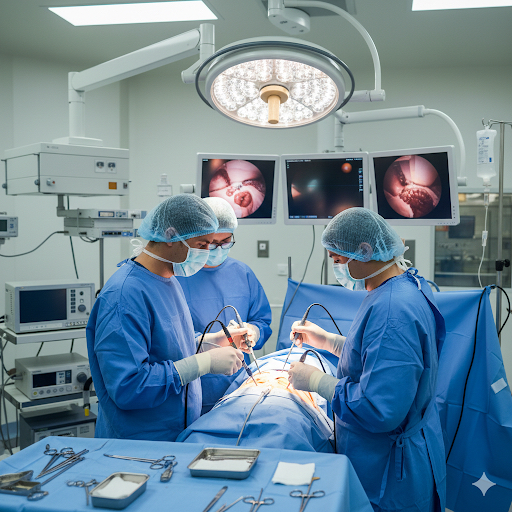
This diagnostic undertaking is typically carried out on an outpatient basis. First, local anaesthesia completely numbs the target region; patients typically find the process largely pain-free. Using imaging guidance—such as ultrasound, mammography (stereotactic), or MRI—the specialist precisely locates the suspicious area. A tiny incision, often just a few millimeters, is made.
Through this, the specialized probe enters the mammary gland's cellular material. The device then uses a vacuum to gently draw cellular material into its chamber, where it is cut and collected as specimens. Several specimens are obtained without withdrawing the probe from the affected area, making it efficient. To visualize this, consider it akin to a tiny, specialized fishing net carefully collecting specific fish without disturbing the whole pond.
Many individuals experience anxiety before medical interventions. Navigating such uncertainty can be challenging. During the sampling, the patient typically lies comfortably, often on their stomach, with the mammary gland positioned for access. The entire process usually takes 30-60 minutes.
Following the sampling, a small bandage covers the incision. Some individuals may experience mild bruising or soreness, comparable to a minor bump. Most can resume normal activities within a day or two. Individuals frequently return to work quite quickly, often feeling relieved.
That's the part worth remembering.
Pathologists examine the collected specimens under a microscope. This examination identifies whether the cells are benign, atypical, or malignant. Your physician will discuss these findings with you.
If the results indicate benign cellular material, often no further action is needed. However, if atypical cells or malignancy are identified, your specialist will discuss further care approaches. those affected should always follow their physician's guidance closely, ensuring a full understanding of all available options.
While generally safe, minor risks exist. These include slight bleeding, bruising, or infection at the sampling site. Serious complications are rare.
It is crucial to inform your specialist about any medications being taken, especially blood thinners, before the diagnostic intervention. This assists in preventing complications. Carefully following post-intervention instructions also boosts recovery.
Incidence rates of mammary gland malignancy are unfortunately rising in India. The National Cancer Registry Programme (NCRP) of the ICMR reported that one in 28 women in urban areas faces a lifetime risk of this malignancy. Detecting abnormalities early through screenings and advanced diagnostic methods like vacuum-assisted sampling is therefore crucial.
Regular self-examinations and screenings, as recommended by the World Health Organization (WHO), significantly enhance chances for successful care. As per the Indian Medical Association (IMA), prompt diagnostic steps are key to reducing morbidity. In real-world terms, early diagnosis means simpler, more impactful therapy options, much like catching a small crack in a wall before it becomes a major structural issue.
The numbers don't lie.
Remember, taking proactive steps for mammary gland health is a powerful act of self-care. Staying informed, remaining vigilant, and always prioritizing personal well-being are
Finding a suspicious lump or an unusual spot on an imaging scan can cause worry. Many of us have experienced that unsettling feeling. Thankfully, advancements in medical technology offer less invasive ways to understand these findings. One such technique is Vacuum Assisted Biopsy (VAB).
VAB is a modern diagnostic procedure. It allows specialists to collect tissue samples from abnormal areas within the body, most commonly in the breast. Unlike a traditional core needle biopsy, VAB uses a special device. This device combines a hollow needle with a vacuum system.
Have you ever wondered why this method is better? The vacuum component gently pulls tissue into the needle. This enables the collection of larger, more numerous samples through a single skin incision (usually only 3-4 mm).
This process is crucial for accurate diagnosis. It ensures enough material for pathologists to examine closely. Honestly, this precision makes a real difference in patient care.
Physicians often recommend VAB when imaging tests — like mammograms, ultrasounds, or MRIs — show suspicious findings. These might include microcalcifications (tiny calcium deposits), architectural distortions, or subtle masses.
Here's where it gets interesting.
In many cases, these indicators might be too small or too spread out for a conventional core needle biopsy to sample effectively.
What most people miss: VAB significantly enhances diagnostic accuracy. It reduces the need for repeated biopsies or more invasive surgical procedures. For example, a 2023 Lancet study highlighted VAB's superior ability to sample calcifications compared to standard core needle biopsies.
India faces a significant health challenge. 7 lakh new breast cancer cases annually, making timely and accurate diagnosis vital.
The VAB procedure is typically an outpatient one. It involves several key steps. First, the area to be biopsied receives a local anaesthetic. This ensures you feel minimal discomfort during the process. Next, a tiny incision is made in the skin.
A specialist then guides the VAB needle precisely to the target area. They use real-time imaging — either ultrasound, mammography (stereotactic guidance), or MRI. This precise guidance is key. It ensures the needle reaches the exact spot needing examination.
Once positioned, the vacuum system activates. It draws tissue into the needle's sampling chamber. The device then takes multiple samples by rotating the needle, all through that single small incision. This is much like a tiny vacuum cleaner clearing a clogged drain, getting all the crucial bits.
That alone changes everything.
After sufficient samples are collected, the needle is removed. Sometimes, a tiny metallic marker clip is placed at the biopsy site. This helps in future follow-up imaging. The entire process usually takes about 30-60 minutes. Many people find it surprisingly tolerable, feeling only pressure, not sharp pain.
While generally safe, VAB carries some minor risks. These can include bruising, bleeding, or a small hematoma (collection of blood) at the biopsy site. Infection is rare but possible.
Some individuals might experience mild pain or soreness for a few days. Serious complications are extremely uncommon. The benefits of early and accurate diagnosis usually outweigh these minimal risks, according to WHO guidelines for diagnostic procedures.
Following the biopsy, a pressure dressing will be applied. You might feel some tenderness or see bruising. Over-the-counter pain relievers can manage any discomfort. You should avoid strenuous activities for a day or two.
Your physician will schedule a follow-up. During this visit, they will discuss the pathology results. Living with uncertainty while awaiting these results is genuinely hard. However, knowing you are on the path to clarity is a powerful step.
The numbers don't lie.
What's the bottom line here? VAB offers a proven, reliable method for obtaining accurate tissue samples. It guides physicians toward the most suitable care approach.
We believe in empowering you with knowledge. Understanding your diagnostic options is crucial. Stay informed, stay healthy, and take charge of your well-being. Always consult a qualified physician before making medical decisions.
Most people report feeling pressure rather than pain during VAB. Local anaesthesia numbs the area completely. You might experience mild soreness or bruising afterwards, which resolves quickly.
Pathology (tissue examination) results typically become available within a few business days, often 3-5 days. Your physician will contact you to discuss these findings and your next steps.
While VAB is primarily diagnostic, it can sometimes remove very small, benign lesions entirely. However, its main purpose is to obtain enough tissue for accurate diagnosis, not complete removal.
Recovery is generally quick. Most people resume normal light activities within 24-48 hours. Strenuous exercise should be avoided for a couple of days to minimise bruising.
Medically reviewed by a qualified physician. Last updated April 2025. For informational purposes only.
When facing a potential health concern, receiving a clear diagnosis becomes crucial. Many of us have experienced that unsettling wait for answers. Here's the thing — a Tru-cut biopsy (also known as a core needle biopsy) is a widely used diagnostic technique.
This minimally invasive procedure assists physicians in accurately identifying various conditions. These include infections, inflammation, and potential malignancies (cancers).
Physicians often recommend a Tru-cut biopsy when imaging tests, such as an ultrasound, CT scan, or MRI, reveal an abnormal mass or lesion. Such findings require further investigation. For instance, if a lump is detected in the breast or liver, this biopsy can determine its nature.
It’s a key step in diagnosing many types of cancer, including those affecting the breast, lung, liver, kidney, prostate, and lymph nodes. What most people miss: this approach is far less invasive than open surgery for diagnosis.
Honestly, getting a definitive diagnosis early can significantly impact future care pathways. It's not just about identifying cancer; benign (non-cancerous) conditions also warrant clear identification. According to the Indian Council of Medical Research (ICMR), cancer incidence is projected to rise significantly.
The numbers don't lie.
6 million new cases are expected by 2025. This underscores the need for reliable diagnostic methods like the Tru-cut biopsy.
Understanding the steps can ease any anxiety surrounding medical procedures. We aim to ensure you feel prepared.
Before the procedure, your specialist will provide specific instructions. You might need to avoid certain medications, like blood thinners, for a few days. Always inform your physician about all current medications and allergies.
On the day, you will typically be asked to fast for a few hours (similar to preparing for a blood test at your local clinic). Many clinics, including those at AIIMS, follow strict protocols to ensure patient safety and comfort.
A Tru-cut biopsy usually takes 15-30 minutes. The specialist first cleans the skin over the target area. They then administer a local anaesthetic (medication to numb the area), making the procedure largely painless. You might feel a slight pressure or sting, much like a mosquito bite. The physician precisely guides a thin, hollow needle.
This is done using imaging guidance. Often, ultrasound or CT scans are employed. A small tissue cylinder, called a core, is then retrieved. Several cores (typically 3-5) might be taken to ensure an adequate sample for histopathological analysis (microscopic examination by a pathologist). This precision ensures a high diagnostic yield.
That alone changes everything.
After the biopsy, a small dressing will be applied to the site. Most people can return home the same day. You might experience some mild soreness or bruising, which usually subsides within a day or two. Pain relievers, like paracetamol, can assist with any discomfort.
It's vital to avoid strenuous activities for 24-48 hours. Always follow your physician’s post-procedure advice carefully. So what does that mean for you? A quick recovery means you can soon get back to your daily routine, like enjoying your evening chai.
Every medical intervention carries both advantages and potential considerations.
While generally safe, some minor complications can occur. These include bleeding or bruising at the biopsy site, or mild pain. Rarely, infection might occur.
Very infrequently, damage to surrounding structures can occur. Imaging guidance significantly reduces this risk. Your physician will discuss these possibilities with you thoroughly before the procedure.
Once the tissue sample is collected, it goes to a pathology lab. There, specialists examine the cells under a microscope. They look for specific changes. These changes indicate whether the tissue is benign, malignant, or inflammatory.
It sounds simple. It rarely is.
The results typically take a few days, sometimes up to a week. Your physician will then explain these findings and discuss the next steps in your care plan. Timely communication is crucial here.
Living with this is genuinely hard, especially during the waiting period for biopsy results. It's a time filled with questions and anxieties. Remember, you are not alone in this journey.
We often see people benefit from discussing their concerns with family, friends, or support groups. Maintaining a positive outlook can strengthen your spirit during challenging times. Think of tending a home garden and watching it bloom.
In real-world terms, receiving a diagnosis — whatever it may be — empowers you and your care team to make informed decisions about your future health. Always consult a qualified physician before making medical decisions.
No, it is not typically painful. A local anaesthetic is used to numb the area, so you will only feel some pressure or a brief sting.
Results usually take a few days, often between 3 to 7 working days, depending on the complexity of the analysis and the pathology lab's workload.
The possibility of a biopsy spreading cancer is extremely low. Medical evidence and guidelines from organizations like the WHO confirm that the benefits of accurate diagnosis far outweigh this minimal theoretical possibility.
If results are inconclusive, your physician may recommend further tests. This could involve repeating the biopsy, performing a different type of biopsy, or continuing close monitoring of the area.
Medically reviewed by a qualified physician. Last updated April 2025. For informational purposes only.
Finding a lump or an abnormal spot on an imaging test can be unsettling. Many of us have experienced this anxiety firsthand. Fortunately, a core needle biopsy (CNB) offers a proven way to understand such findings. This key diagnostic procedure helps physicians determine if a suspicious area is benign (non-cancerous) or malignant (cancerous).
A core needle biopsy involves removing small tissue samples from a suspicious area using a hollow needle. Unlike a fine needle aspiration (FNA), CNB extracts a "core" of tissue, offering more cells for detailed examination.
Pathologists then analyze these samples under a microscope. This comprehensive analysis provides a clearer diagnosis than other methods, enabling more precise care planning.
Physicians recommend CNB for various reasons. Often, imaging tests like mammograms, ultrasounds, or MRI scans reveal an abnormality. These indicators — perhaps a new breast lump or an enlarged lymph node — require further investigation.
For instance, in India, breast cancer accounts for 1 in 4 female cancers, according to the Indian Council of Medical Research (ICMR, 2023). A CNB is crucial for diagnosing these cases accurately. It helps confirm or rule out cancer, guiding subsequent therapy decisions.
That alone changes everything.
Preparation for a CNB is straightforward. You might be asked to avoid certain medications, like blood thinners, for a few days prior. Always discuss your current medications with your specialist. On the day, you will lie comfortably on an examination table.
The specialist first numbs the area with a local anesthetic (a medication that temporarily blocks pain). You will feel a small sting, similar to an injection for a vaccine. Think about it this way: just as a tailor takes a small fabric sample to check its quality, a doctor takes a tiny tissue sample. Imaging guidance — often ultrasound, mammography (for breast lesions), or CT scan — directs the needle precisely.
The doctor makes a tiny incision, then inserts the hollow needle several times to collect multiple tissue cores. You might hear a clicking sound as the samples are taken. This part of the procedure typically lasts 15-30 minutes.
Once samples are collected, the needle is removed. Pressure is applied to the site to prevent bruising. A small dressing or bandage covers the area. Minor discomfort or bruising is common afterward; this usually subsides within a few days.
It sounds simple. It rarely is.
We often see people return to light activities the same day. However, strenuous activities should be avoided for 24-48 hours. The reality is, recovery is generally quick and uneventful.
The tissue samples go to a pathology lab for histopathology (microscopic examination of tissues). A specialist pathologist examines them for any abnormal cells. Results typically become available within 3-7 business days.
Your physician will then explain the findings to you. If the diagnosis confirms malignancy, further discussions about treatment options will follow. Living with this uncertainty is genuinely hard, but getting clear answers is the first step towards healing.
Core needle biopsy offers significant benefits. It provides a definitive diagnosis with high accuracy rates — often over 95% for breast lesions, as per a 2023 Lancet study. This minimally invasive approach avoids the need for larger surgical procedures in many cases.
Its impact on subsequent care planning is vital. However, like any medical procedure, CNB carries minor risks.
Your physician will discuss these potential risks thoroughly before the procedure. Have you ever wondered why doctors emphasize discussing everything? Open communication is key to ensuring your safety and comfort.
Here's where it gets interesting.
At Doctar, we ensure all core needle biopsies are performed by highly skilled specialists. As per the Indian Medical Association (IMA) guidelines, adherence to strict clinical protocols is paramount. This guarantees patient safety and accurate diagnostic outcomes.
You'll notice that our approach prioritizes both precision and compassionate care for those affected. In real-world terms, this means you receive the best possible attention.
What should you actually do? If your physician recommends a core needle biopsy, ask questions. recognise the process. This diagnostic tool is a crucial step towards clarity and effective management of your health.
Most people report only mild discomfort. A local anesthetic numbs the area completely, so you should not feel sharp pain during the tissue collection. Post-procedure, some soreness or bruising is normal.
Pathology labs usually process samples and provide results within 3 to 7 business days. Your physician will contact you to discuss these findings once they are available.
Yes, typically you can eat and drink normally before a CNB. However, your physician might give specific instructions, especially if you take blood-thinning medications. Always follow your doctor's advice.
Here's where it gets interesting.
Avoid strenuous activities, heavy lifting, and intense exercise for 24 to 48 hours after the procedure. Light activities are generally fine. Keep the biopsy site clean and dry as instructed by your care team.
Always consult a qualified physician before making medical decisions.
Medically reviewed by a qualified physician. Last updated April 2025. For informational purposes only.
Many of us encounter concerns about lumps or swellings in our bodies. Often, these are harmless. However, determining their nature requires careful medical evaluation. This is where Fine Needle Aspiration Cytology (FNAC), or FNA, becomes a vital diagnostic tool.
Think about it this way: Just as a tiny sample of soil helps a farmer understand the entire field, FNAC collects a small cell sample. This minimally invasive procedure involves using a very thin needle to extract cells from a suspicious lump or mass.
A pathologist (a specialist doctor who examines tissues and cells to diagnose diseases) then studies these cells under a microscope. This helps identify if the lump is benign (non-cancerous) or malignant (cancerous), or simply a fluid-filled cyst.
FNA stands for Fine Needle Aspiration. It is a quick, safe procedure performed in a clinic or outpatient setting. A doctor inserts a thin, hollow needle — similar to one used for blood tests — into the abnormal tissue.
This is where most patients struggle.
They gently draw out a small sample of cells or fluid. This process is essentially a biopsy (taking a tissue sample for laboratory analysis) without the need for surgery.
FNAC is central to in early diagnosis. It prevents unnecessary surgical procedures. For example, thyroid nodules are quite common; approximately 40-60% of adults might have them, according to AIIMS data (2020).
Most are benign. A simple FNA can often confirm this, saving people from extensive surgery. Worth knowing: FNAC is particularly useful for lumps in the breast, thyroid gland, lymph nodes, and salivary glands.
individuals often worry about discomfort. However, the procedure is generally well-tolerated. It feels similar to a routine injection or a quick mosquito bite. Usually, no local anaesthesia is needed, though some doctors might use it for sensitive areas. The entire process, from start to finish, typically takes less than 15-20 minutes.
First, your physician will locate the lump by feeling it or using ultrasound guidance for deeper masses. Next, they clean the skin over the area. Then, the fine needle is carefully inserted into the lump. The doctor moves the needle back and forth gently a few times to collect enough cells.
This is where most individuals struggle.
Finally, the needle is withdrawn, and pressure is applied to the site to prevent bruising. So what does that mean for you? You can generally resume normal activities shortly after the procedure.
Waiting for diagnostic results can genuinely feel like a lifetime, bringing worry and uncertainty. The collected cells go to a pathology lab for expert analysis. Results are usually available within a few days to a week. The pathologist provides a detailed report classifying the cells.
Possible outcomes include a benign diagnosis, indicating no cancer. A malignant diagnosis confirms cancer cells are present. Sometimes, results might be inconclusive, meaning the sample was not sufficient for a clear diagnosis.
Approximately 10-15% of FNACs can be inconclusive, often requiring a repeat procedure or a different type of biopsy (WHO guidelines, 2021). How serious is this really? An inconclusive result simply means more information is needed; it does not automatically mean cancer.
What most people miss: While highly successful, FNAC has limitations. Sometimes, the cell sample might not be representative of the entire lump. This can lead to false negative results (missing cancer) or inconclusive findings. In such cases, your specialist might recommend a core needle biopsy or a surgical biopsy for a larger tissue sample.
Recovery is rarely linear.
Always consult a qualified physician before making medical decisions.
Most people describe FNA as feeling like a brief pinch or a mosquito bite. Any discomfort is usually mild and short-lived. Anaesthesia is often not required.
Typically, FNAC results are available within 3 to 7 working days. The exact time can vary depending on the pathology lab and the complexity of the case.
While highly accurate, no diagnostic test is 100% foolproof. There's a small chance of a false negative if the sample collected doesn't contain cancerous cells. If suspicion remains high, further tests may be recommended.
An inconclusive result means the sample wasn't clear enough for a definitive diagnosis. Your doctor might suggest a repeat FNAC, a different type of biopsy (like a core needle biopsy), or close observation.
Medically reviewed by a qualified physician. Last updated April 2025. For informational purposes only.

Malaria, a serious and sometimes fatal illness, is caused by Plasmodium parasites transmitted through the bite of infected mosquitoes. Early and accurate diagnosis is absolutely crucial for effective treatment and preventing severe complications.
Among the diagnostic tools available, the peripheral blood smear remains a cornerstone, offering direct visualization of the malaria parasites within a person's blood.
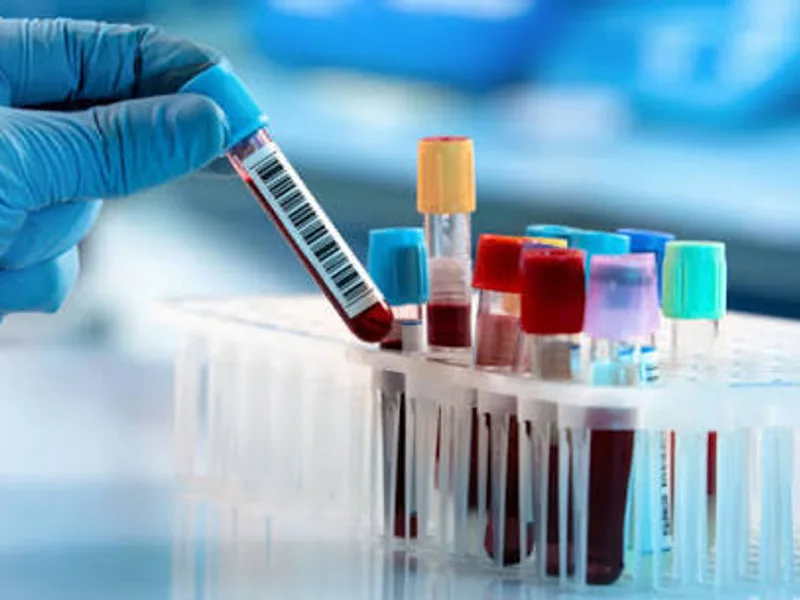
Practically speaking, when malaria is suspected, physicians often order a peripheral blood smear. This test involves examining a small drop of blood under a microscope.
It’s a time-tested method that allows specialists to identify not only the presence of the parasite but also the specific species and the level of infection. This information is vital for guiding appropriate therapy.
A peripheral blood smear is a diagnostic procedure where a thin layer of blood is spread onto a glass slide, stained, and then examined under a high-powered microscope. This technique allows for the evaluation of various blood components, including red blood cells, white blood cells, and platelets.
For malaria diagnosis, the focus is on detecting the presence of Plasmodium parasites within the red blood cells.
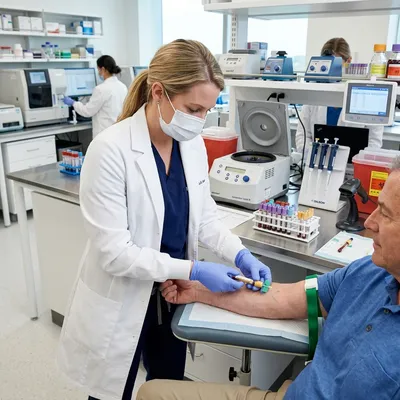
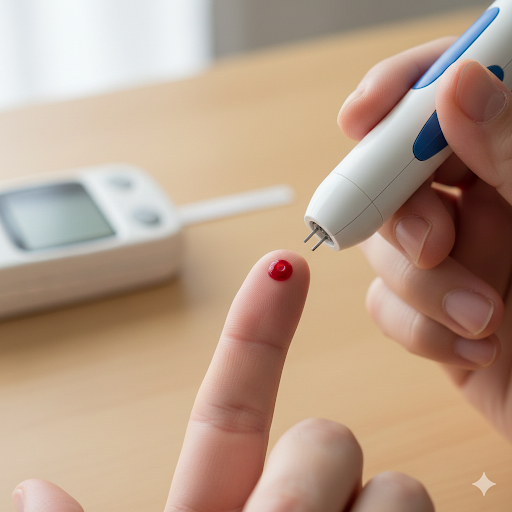
Obtaining a peripheral blood smear is a relatively straightforward process. First, a healthcare professional will clean a small area of your skin, usually on your fingertip or arm, with an antiseptic. Then, using a sterile lancet, they will prick the skin to obtain a small blood sample. This blood is then carefully spread onto a clean glass slide.
Here's where it gets interesting.
Two types of smears are typically prepared: a thin smear and a thick smear. The thin smear involves spreading a single layer of blood cells, which helps in identifying the species of the Plasmodium parasite and assessing the morphology of infected cells.
In contrast, the thick smear uses a larger volume of blood, concentrated by lysing (breaking open) the red blood cells. This concentration significantly increases the chances of detecting parasites, especially in cases of low-grade parasitemia (low parasite count).
After preparation, the slides are stained, most commonly with Giemsa or Wright's stain. These stains highlight the parasites, making them visible against the background of blood cells. A trained microscopist then meticulously examines the stained smear under a microscope, looking for characteristic parasites.
When examining the blood smear, physicians and laboratory technologists are searching for specific indicators of malaria. These include the presence of ring forms, trophozoites, schizonts, and gametocytes of the Plasmodium parasite within the red blood cells (for thin smears) or free in the blood (for thick smears).
It sounds simple. It rarely is.
Different Plasmodium species—such as *Plasmodium falciparum*, *Plasmodium vivax*, *Plasmodium ovale*, and *Plasmodium malariae*—have distinct appearances and life cycle stages that can be identified under the microscope. Does this sound familiar?
The morphology of the infected red blood cells also provides clues. For instance, *P. vivax* and *P. ovale* can cause infected red blood cells to enlarge, a sign not typically seen with *P. falciparum* or *P.
malariae*. Quantifying the level of parasitemia is another vital aspect. This is usually expressed as the percentage of infected red blood cells or the number of parasites per microliter of blood. Higher parasite counts often correlate with more severe disease, particularly with *P. falciparum* infections.
A positive result on a peripheral blood smear indicates the presence of malaria parasites, confirming the diagnosis. The report will usually specify the Plasmodium species identified and the level of parasitemia.
The numbers don't lie.
A negative result, however, does not always rule out malaria, especially if the blood was drawn during an early stage of infection or if the parasite count is very low. In such instances, repeat testing or alternative diagnostic methods might be recommended.
Honestly, interpreting these results requires significant expertise. The presence of specific parasite stages and the overall parasite load are key factors that influence the physician’s care strategy.
For example, *P. falciparum* infections, especially those with high parasitemia, require prompt and aggressive care due to their potential for rapid progression to severe malaria.
The peripheral blood smear is considered the gold standard for malaria diagnosis in many settings for several compelling reasons. Firstly, it is a relatively inexpensive test, making it accessible even in resource-limited areas where malaria is most prevalent.
Secondly, it does not require sophisticated equipment, just a microscope and trained personnel. Thirdly, it can accurately identify the infecting Plasmodium species, which is crucial as different species require different therapy approaches.
The numbers don't lie.
On top of that,, the test can provide information about the parasite density, helping clinicians gauge the severity of the infection and monitor the response to therapy. This direct visualization capability is something that some other diagnostic methods lack.
Despite its strengths, the peripheral blood smear has limitations. Its accuracy is highly dependent on the skill of the microscopist.
In real-world terms, if the person reading the slides is inexperienced, false negatives (missing an infection) or false positives (incorrectly identifying an infection) can occur. Additionally, preparing and examining smears can be time-consuming, and results may not be available as quickly as with some other tests.
For these reasons, other diagnostic tools have been developed and are used alongside or as alternatives to the blood smear. These include rapid diagnostic tests (RDTs), which detect parasite antigens in the blood, and molecular methods like polymerase chain reaction (PCR), which are highly sensitive and can detect very low levels of parasite DNA. So what does that mean for you?
While RDTs offer speed and ease of use, they may not always identify the species or quantify parasitemia as accurately as a smear. PCR is very accurate but is more expensive and requires specialized laboratory facilities.

Recovery is rarely linear.
The peripheral blood smear is not just for initial diagnosis; it also plays a vital role in monitoring the effectiveness of malaria therapy. Regular blood smears can be performed during the course of therapy to check if the parasite count is decreasing.
A sustained absence of parasites in the blood indicates that the therapy is working and the infection is being cleared.
This ongoing assessment helps physicians adjust the therapy plan if necessary, ensuring that patients receive the most impactful care. Enhancing patient outcomes relies heavily on this vigilant monitoring.
The peripheral blood smear remains a vital and reliable method for diagnosing malaria. Its ability to directly visualize and identify malaria parasites and their species, coupled with its cost-effectiveness and accessibility, ensures its continued importance in the global fight against this disease.
While newer technologies offer alternatives, the expertise gained from mastering the blood smear technique continues to assist physicians in providing optimal care for those affected by malaria.

Barakhola Lane, Kolkata

Plot Number 329/1929, Kolkata

Saltlake City, Kolkata

C.I.T Scheme, Kolkata

Rajdanga Main Road, Kolkata

Canal Circular Road, Kolkata

Number 720, Kolkata

Dum Dum Road, Kolkata

Lala Lajpath Rai Sarani, Kolkata

Plot no. DG-4, Kolkata