

Adrenal Fatigue: Myth or Real? What Science Actually Says
Adrenal fatigue is a popular diagnosis with no scientific backing. Here's what's really behind chronic exhaustion, and when to see a doctor.
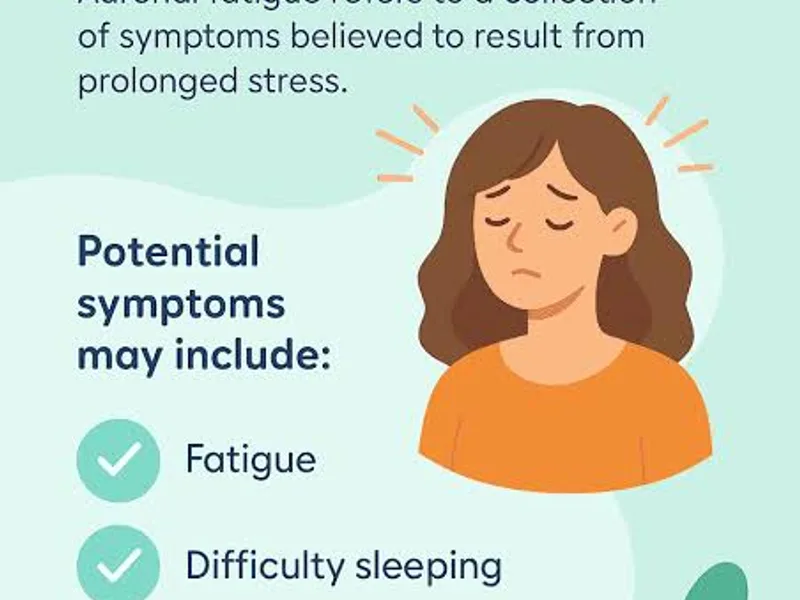
The Term Everyone's Heard, But Doctors Rarely Use
Ask around and someone will swear they have adrenal fatigue. Ask an endocrinologist, and you'll likely get a raised eyebrow. That gap between popular belief and medical consensus is the whole story here.
The theory goes like this: chronic stress wears down your adrenal glands (two small organs sitting on top of your kidneys) until they can't make enough cortisol, the hormone that helps you handle stress and stay alert. Tired all the time? Craving salt? Struggling to get out of bed? Adrenal fatigue, the theory says.
It's a tidy explanation. The problem is, it doesn't hold up.
What The Science Actually Says
No major medical body recognizes adrenal fatigue as a diagnosis. Not the Endocrine Society, not the World Health Organization. A 2016 systematic review looking at dozens of studies found no consistent evidence that adrenal glands actually "fatigue" from stress in the way the theory describes. Cortisol levels in tired people were, by and large, no different from cortisol levels in people who weren't tired.
That's an important distinction, and worth saying plainly rather than dancing around it: there is currently no reliable test that can diagnose adrenal fatigue, because there's no established biological mechanism for it to test for.
This is different from adrenal insufficiency, a genuine and sometimes serious condition where the adrenal glands truly don't produce enough cortisol, often due to autoimmune damage (Addison's disease) or pituitary gland problems. Adrenal insufficiency is diagnosed with blood and stimulation tests, and it's treated with hormone replacement. If left untreated, it can turn into a medical emergency called an adrenal crisis, which needs urgent care through emergency services or, in severe cases, an ambulance. That's the condition adrenal fatigue borrows its symptoms from, without the biology to back it up.
Why the Idea Won't Go Away
Here's the honest part: people who get told they have "adrenal fatigue" often feel relieved, not misled. Someone finally validated that their exhaustion is real. That matters, because a lot of patients spend months bouncing between appointments before anyone takes their fatigue seriously.
In clinical practice, this is often missed because fatigue is a vague symptom that overlaps with a dozen conditions, and a rushed ten-minute consultation doesn't always leave room to dig into sleep habits, diet, mental health, and lab work all at once. When a patient walks in already exhausted and frustrated, "adrenal fatigue" can feel like the only answer anyone's offered them. That's a systems problem as much as a scientific one.
What's Probably Actually Going On
If you're wiped out for weeks or months, a few real, testable conditions are worth ruling out before accepting a label with no diagnostic test behind it:
Thyroid problems. An underactive thyroid causes fatigue, weight gain, and low mood. Simple blood test, real treatment.
Iron deficiency or anemia. Common, especially in women, and easy to miss without a blood count.
Sleep apnea. You can sleep eight hours and still wake up exhausted if your breathing keeps interrupting deep sleep. A pulmonologist can assess this properly.
Depression or chronic stress. Not a moral failing, not "all in your head" — a genuine medical issue that deserves proper treatment, not a supplement regimen.
Hormonal shifts, particularly around perimenopause or PCOS, which is why fatigue paired with irregular cycles is worth discussing with a gynecologist rather than guessing.
Heart or lung issues that cause low energy and breathlessness are less common but worth ruling out with a cardiologist if fatigue comes with chest tightness or palpitations.
None of these get fixed by cortisol-boosting supplements marketed for "adrenal support," which, worth noting, aren't FDA-regulated and can occasionally do more harm than good if they interfere with real hormone levels.
What To Actually Do If You're Exhausted
Start with a proper workup, not a label. A general physician is a sensible first stop, and they can order the basics: thyroid panel, complete blood count, iron studies, and a look at your sleep and stress load. If something hormonal shows up, they'll refer you to an endocrinologist for further testing.
Ask for a proper diagnostics center workup rather than accepting symptoms alone as proof. If mornings are the hardest part of your day and travel feels impossible, a home visit doctor or a home-care nurse can get the process started without you having to drag yourself to a clinic.
Diet and sleep genuinely matter here, and a dietitian can help build an eating pattern that supports steady energy, without the pseudoscience. If you're already using or considering Ayurvedic approaches alongside conventional care, it's worth discussing that combination with a qualified Ayurveda practitioner so nothing conflicts with other treatment. Whatever you do, pick up any prescribed medication from a proper pharmacy rather than an unregulated supplement seller.
If your search for the right specialist needs to go wider, Doctar's directory covers doctors across India, including in Kolkata, Delhi, Mumbai, Bangalore, Chennai, and Jaipur. For serious or complex cases, a full hospital work-up through hospitals near you may be the more thorough route.
Fatigue this stubborn deserves an actual answer, not a trend. It's a fair question to ask yourself: has anyone actually tested you, or just agreed with how you feel?
For related reading on symptoms that get misattributed or under-investigated, see our pieces on long COVID and lingering fatigue and the gut-health influencer backlash, or browse the full Doctar health blog for more evidence-based coverage. You can also learn more about Doctar and how the platform connects patients with verified doctors.


