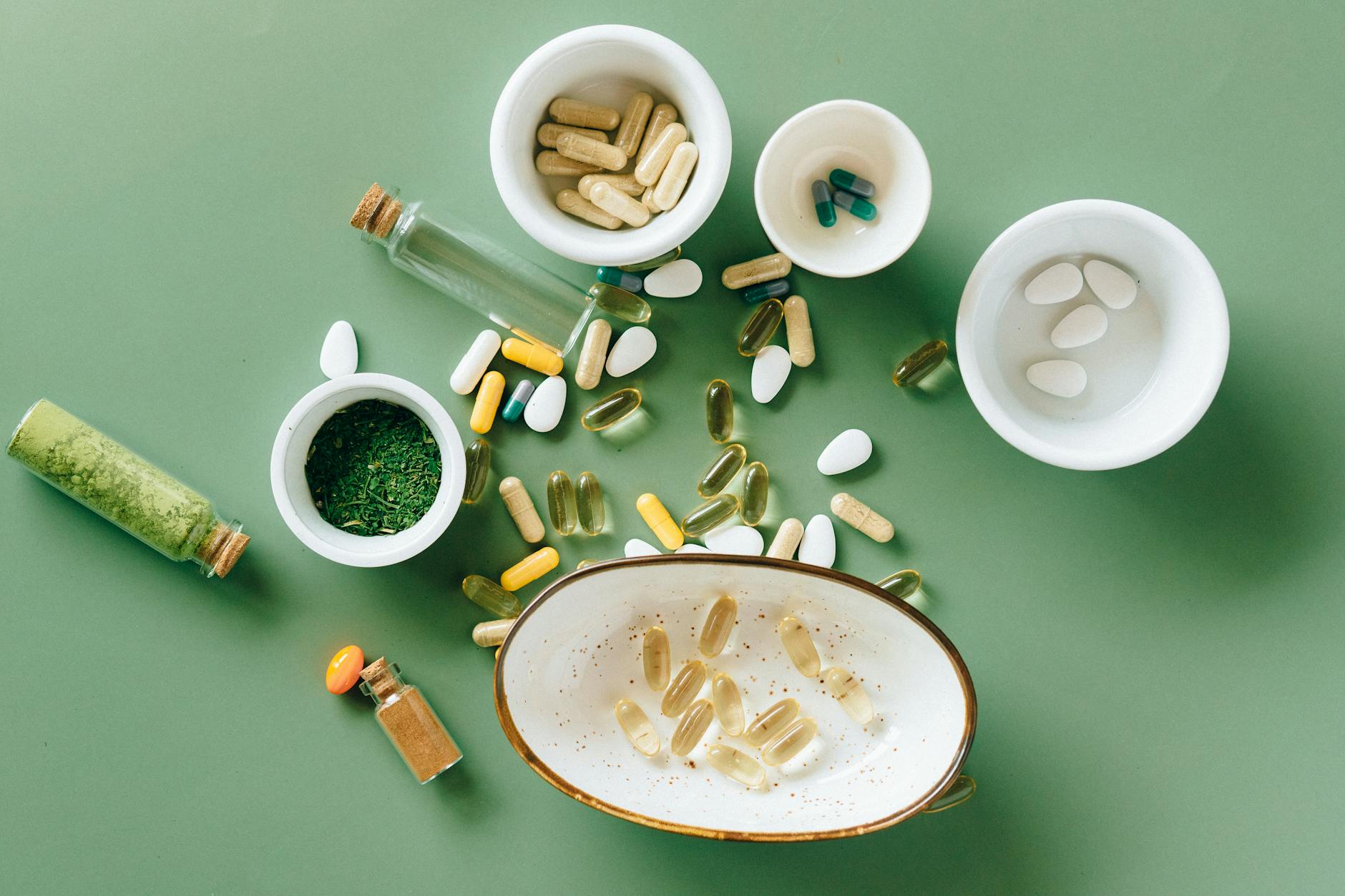
In India, where traditional healing practices have been a cornerstone of wellness for centuries, herbal remedies are deeply ingrained in our culture. Among these, tinctures stand out as a powerful and accessible way to harness the benefits of medicinal plants. You might have seen small, dark glass bottles filled with liquids, often labelled with the names of familiar herbs. These are tinctures – concentrated extracts that offer a potent dose of nature's goodness. Let's explore what tinctures are, how they work, their benefits, and importantly, how to use them safely.
What Exactly is a Tincture?
Simply put, a tincture is a liquid herbal preparation. It's made by soaking the parts of a plant – like the bark, berries, leaves, or roots – in a solvent. Traditionally, this solvent is alcohol, but sometimes vinegar or even glycerin is used. The solvent acts like a magnet, drawing out the plant's active medicinal compounds and concentrating them into a potent liquid form.
Think of it like making a very strong herbal tea, but instead of water, you're using alcohol or vinegar, and you're not drinking the plant material itself. This process, known as maceration, allows for a much more concentrated and stable extract than simply steeping herbs in hot water. Because the active compounds are so concentrated, tinctures are typically taken in very small doses, usually just a few drops or a dropperful at a time.
Why Are Tinctures So Popular?
The enduring popularity of tinctures isn't by chance. Their accessibility and ease of use make them a favourite for many.
- Potency: Tinctures deliver a concentrated dose of herbal benefits, meaning you get more of the plant's goodness in a smaller volume.
- Stability: The extraction process, especially with alcohol, helps to preserve the plant's active compounds, giving tinctures a long shelf life.
- Ease of Use: They are incredibly convenient. No need to measure out large quantities of dried herbs or brew complex teas. Just a few drops under the tongue or mixed into water is all it takes.
- Bioavailability: Many believe that compounds extracted into alcohol are more easily absorbed by the body, leading to quicker and more noticeable effects.
- Cost-Effective: While store-bought tinctures can vary in price, making them at home can be very economical, especially when you consider how little you need to use at a time.
Common Herbs Used in Tinctures and Their Potential Benefits
Nature offers a vast pharmacy, and many plants are well-suited for tincture making. Here are a few examples, along with what research and traditional use suggest:
- Chamomile: Often found as a tea, chamomile also makes a wonderful tincture. It's traditionally used to promote relaxation, ease anxiety, and aid digestion. Some studies suggest it can help with wound healing and reduce inflammation.
- Ginger: Famous for its ability to combat nausea, ginger root tincture can be a lifesaver during pregnancy or for motion sickness. Its anti-inflammatory properties are also beneficial.
- Ginseng: Valued in Ayurvedic and traditional Chinese medicine, ginseng root is believed to boost energy, improve cognitive function, and support the immune system. Some research indicates it may help people with diabetes manage their blood sugar levels.
- Milk Thistle: This herb is primarily known for its liver-protective qualities. Research suggests it can help repair liver damage and protect against toxins.
- St. John's Wort: Traditionally used for mild to moderate depression, studies suggest St. John's Wort can help lift mood and ease symptoms of seasonal affective disorder. (Note: This herb can interact with many medications, so caution is advised.)
- Valerian Root: A well-known natural sleep aid, valerian root tincture can help promote restful sleep and improve sleep quality for those struggling with insomnia.
How to Make a Tincture at Home (The Basics)
Making your own tinctures can be a rewarding experience. While specific recipes vary, the general principle remains the same:
- Choose Your Herb: Select high-quality dried or fresh herbs. For beginners, common herbs like chamomile or ginger are good choices.
- Prepare Your Jar: Use a clean glass jar with an airtight lid.
- Add Your Herbs: Loosely pack the jar with your chosen herb. If using fresh herbs, you'll typically use twice the amount as you would for dried herbs.
- Add Your Solvent: Pour a high-proof alcohol (like vodka or grain alcohol, typically 80-100 proof or 40-50% ABV) over the herbs, ensuring they are completely submerged by at least an inch. Vinegar or glycerin can be used as alternatives if you wish to avoid alcohol.
- Macerate: Seal the jar tightly and store it in a cool, dark place for 4-6 weeks. Shake the jar gently every day or two.
- Strain: After maceration, strain the liquid through a fine-mesh sieve or cheesecloth into a clean container. Squeeze out as much liquid as possible from the herbs.
- Bottle: Pour the finished tincture into dark glass dropper bottles for storage. Label clearly with the herb name and date.
Using Tinctures Safely: What You Need to Know
While tinctures offer many benefits, it's crucial to use them responsibly. Here are some important safety considerations:
Consult Your Doctor First
This is perhaps the most important step. Before starting any new herbal remedy, including tinctures, talk to your doctor or a qualified healthcare practitioner. This is especially vital if you:
- Are pregnant or breastfeeding.
- Have any pre-existing medical conditions (like diabetes, liver disease, or heart problems).
- Are taking any medications, including over-the-counter drugs or other supplements.
Herbal remedies can interact with medications, sometimes with serious consequences. For instance, St. John's Wort can reduce the effectiveness of birth control pills and certain antidepressants. Some herbs might affect blood pressure or blood sugar levels.
Dosage Matters
Tinctures are concentrated. Always follow the recommended dosage on the product label or as advised by your healthcare provider. Start with a low dose to see how your body reacts. A common starting point is 10-20 drops, taken 1-3 times a day.
Potential Side Effects and Allergies
Even natural remedies can have side effects. Some common reactions include:
- Digestive upset (nausea, stomach ache)
- Headaches
- Dizziness
- Allergic reactions (rashes, itching, difficulty breathing)
If you experience any adverse effects, stop taking the tincture immediately and consult your doctor. If you have a known allergy to a specific plant, avoid any tincture made from it.
Toxicity and Contraindications
Not all plants are safe for consumption, and some parts of plants can be toxic. For example, while gingko leaves are used, gingko seeds are poisonous. Always ensure you are using tinctures made from known, safe herbs and parts of plants. Some herbs may also be contraindicated for certain individuals. For example, herbs with estrogenic effects should be avoided by those with hormone-sensitive cancers.
Anaphylaxis: A Medical Emergency
In rare cases, a severe allergic reaction called anaphylaxis can occur. If you or someone else experiences difficulty breathing or swallowing after taking a tincture, call emergency services immediately.
A Real-Life Scenario
Ramesh, a 45-year-old office worker, had been suffering from occasional sleepless nights. He was hesitant to take prescription sleep aids due to concerns about dependency. His grandmother suggested trying a valerian root tincture, which she used occasionally. Ramesh decided to consult his doctor, who confirmed that valerian was generally safe for him but advised starting with just 10 drops before bed and to monitor for any side effects. Ramesh found that the tincture helped him relax and fall asleep more easily, without the grogginess he feared.
When to Consult a Doctor
It's always best to err on the side of caution. Consult your doctor if:
- You are considering using tinctures for a specific health condition.
- You are taking any medications.
- You have a chronic health condition.
- You are pregnant or breastfeeding.
- You experience any unexpected or severe side effects.
While tinctures can be a wonderful addition to a holistic wellness routine, they are potent substances. Understanding their properties, potential benefits, and risks is key to using them safely and effectively.
Frequently Asked Questions (FAQ)
Are tinctures safe for children?
It's generally not recommended to give tinctures to children without explicit guidance from a pediatrician or a qualified herbalist specializing in pediatric care. Dosages and safety profiles differ significantly for children.
Can I mix tinctures with other herbs?
While experienced herbalists may combine tinctures, it's best for beginners to use single-herb tinctures first. Combining herbs without proper knowledge can lead to unintended interactions or reduced effectiveness. Always consult a professional before creating or taking complex herbal blends.
How long do tinctures last?
When stored properly in dark glass bottles in a cool, dark place, alcohol-based tinctures can last for several years, often 3-5 years or even longer. Vinegar or glycerin-based tinctures may have a shorter shelf life.
What does 'under the tongue' mean for taking tinctures?
Taking a tincture 'under the tongue' (sublingually) allows the potent compounds to be absorbed directly into the bloodstream through the mucous membranes in your mouth. This method is believed to offer faster absorption compared to swallowing the tincture mixed with water.