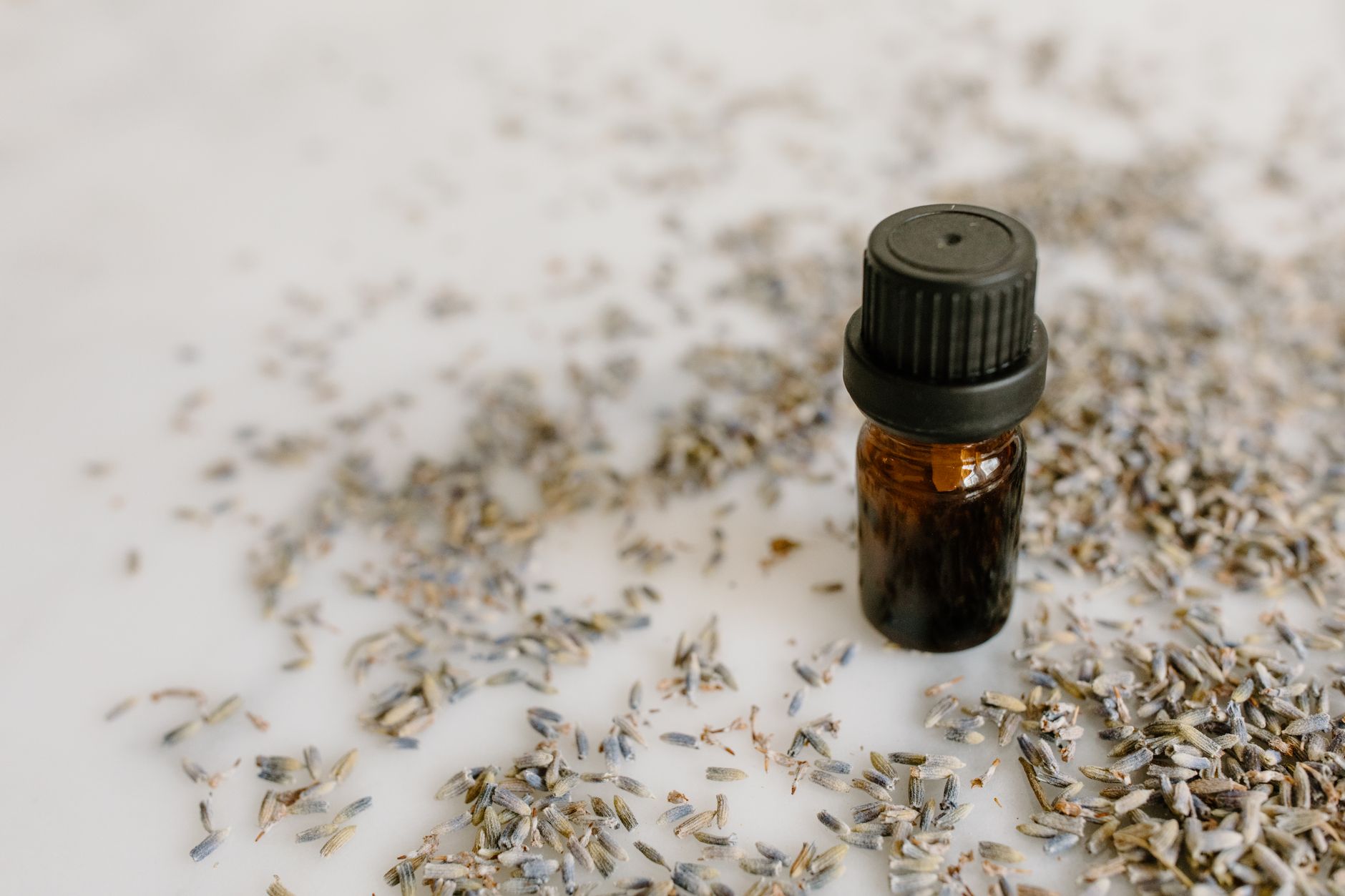
In the vast world of natural remedies and skincare, certain ingredients stand out for their remarkable properties. Carrot seed oil, often extracted from the seeds of the Daucus carota plant – also known as wild carrot or Queen Anne's lace – is one such treasure. It's a potent essential oil that has garnered attention for its potential benefits, particularly in skincare and its antimicrobial capabilities. However, it's crucial to understand what carrot seed oil is, how it differs from other carrot-derived products, and how to use it safely.
What Exactly is Carrot Seed Essential Oil?
Carrot seed essential oil is a concentrated oil derived from the tiny seeds of the carrot plant through a process called steam distillation. This method captures the volatile aromatic compounds, resulting in a potent oil. It's important to distinguish this from carrot oil, which is typically made by steeping crushed carrot roots in a carrier oil like olive or coconut oil. Carrot oil is a vegetable oil and can be used in cooking, unlike the essential oil, which is not meant for internal consumption. There's also cold-pressed carrot seed oil, which is extracted without heat but is still not an essential oil and is primarily used in cosmetics for its anti-aging effects on the skin.
The chemical makeup of carrot seed essential oil is what gives it its unique properties. It contains compounds like alpha-pinene and carotol, which researchers believe are responsible for its observed effects. While it doesn't contain the vitamins and nutrients found in the carrot root itself, its therapeutic potential lies in these specific chemical constituents.
Potential Benefits of Carrot Seed Essential Oil
Antibacterial Properties
One of the most significant findings regarding carrot seed essential oil is its effectiveness against various bacteria. Laboratory studies have shown it can combat strains like Listeria monocytogenes (a cause of listeriosis) and Staphylococcus aureus (responsible for staph infections). While its effect on E. coli and Salmonella is less pronounced, its antibacterial action is promising. This potency is often attributed to the presence of alpha-pinene.
Antifungal Activity
Beyond bacteria, research suggests that carrot seed essential oil also possesses antifungal properties. Studies indicate it can reduce the activity of fungi that can harm plants, and it has shown some effectiveness against yeasts like Candida albicans and Aspergillus. These findings hint at its potential in addressing certain microbial challenges.
Antioxidant Power
Antioxidants are vital for protecting our cells from damage caused by free radicals. An animal study performed on rats indicated that carrot seed essential oil might act as an antioxidant and could even offer protection against liver damage. This antioxidant capacity is also being explored for its role in skincare, particularly for rejuvenating aging skin.
Anti-inflammatory Effects
Many users report that carrot seed essential oil has soothing, anti-inflammatory properties when applied to the skin or scalp. While much of the evidence is anecdotal, the compound carotol is thought to contribute to these calming effects. This makes it a popular choice for addressing skin irritation and promoting a healthier scalp.
Skin Rejuvenation
The antioxidant and potential anti-inflammatory properties make carrot seed essential oil a subject of interest in anti-aging skincare. Studies analyzing its antioxidant capabilities suggest it could be beneficial in cosmetic formulations aimed at rejuvenating aging skin, helping it look and feel more youthful.
How to Use Carrot Seed Essential Oil Safely
Given its potency, using carrot seed essential oil requires care and adherence to safety guidelines. Remember, essential oils are highly concentrated and should never be ingested.
Dilution is Key
Before applying carrot seed essential oil to your skin or scalp, it is essential to dilute it with a carrier oil. Carrier oils, such as jojoba oil, almond oil, coconut oil, or argan oil, help to spread the essential oil over a larger area and reduce the risk of skin irritation. A general guideline is to use 1-2 drops of carrot seed essential oil per teaspoon of carrier oil. Always perform a patch test on a small area of skin before applying it more broadly to check for any adverse reactions.
Topical Application Only
Carrot seed essential oil is strictly for external use. It is not meant to be taken internally, unlike carrot oil which is a vegetable oil. Ingesting essential oils can be harmful and lead to serious health issues.
Consult a Healthcare Professional
If you are considering using carrot seed essential oil to treat a specific infection, illness, or persistent skin condition, it's vital to consult with a doctor or a qualified healthcare provider. While studies show promising results, they are often preliminary, conducted in labs (in vitro) or on animals. A professional can advise you on the best course of treatment and whether carrot seed essential oil is appropriate for your situation.
Real-Life Scenario
Imagine Priya, a 35-year-old homemaker, notices fine lines around her eyes and a dullness to her skin. She's heard about natural remedies and wonders if carrot seed oil could help. She decides to try it, carefully mixing two drops of carrot seed essential oil with a teaspoon of almond oil. After a patch test, she applies the diluted mixture to her face at night. She notices her skin feels smoother and looks a bit brighter after a few weeks, but she also experiences slight redness one evening, reminding her to use it less frequently and ensure proper dilution.
Alternatives and Complementary Options
While carrot seed essential oil offers unique benefits, several other natural oils can complement or serve as alternatives for skin health:
- Lavender essential oil: Known for its anti-inflammatory properties and wound-healing capabilities.
- Tea tree oil: Effective for various skin irritations and also possesses anti-inflammatory properties.
- Rosehip seed oil: A fixed oil that can soothe eczema symptoms and improve skin texture.
- Argan oil: Excellent for improving skin elasticity, hydration, and combating infections.
- Avocado oil: Provides protection and hydration, shielding the skin from UV damage.
These oils can be used individually or blended, always ensuring proper dilution for topical application.
When to Seek Medical Advice
It's important to consult a doctor in the following situations:
- If you experience a severe skin reaction after using carrot seed oil.
- If you are pregnant or breastfeeding; consult your doctor before using any essential oil.
- If you have a diagnosed skin condition like eczema or psoriasis and are considering using carrot seed oil.
- If you are contemplating using it for any internal health concerns; essential oils are not for ingestion.
- If you have underlying health conditions and are unsure about potential interactions.
Frequently Asked Questions (FAQ)
Can I put carrot seed oil directly on my skin?
No, it is not recommended. Carrot seed essential oil is highly concentrated and must be diluted with a carrier oil (like almond or jojoba oil) before topical application to prevent skin irritation. Always do a patch test first.
Is carrot seed oil good for wrinkles?
Carrot seed essential oil has shown antioxidant properties in studies, which can be beneficial for skin rejuvenation and may help reduce the appearance of fine lines and wrinkles over time. However, results can vary, and it should be used diluted.
What is the difference between carrot seed oil and carrot oil?
Carrot seed essential oil is extracted from the seeds via steam distillation and is not for internal use. Carrot oil is a vegetable oil made from carrot roots steeped in a carrier oil and can be used for cooking. Cold-pressed carrot seed oil is not an essential oil and is used in cosmetics.
Can I ingest carrot seed essential oil?
Absolutely not. Carrot seed essential oil is for external use only. Ingesting essential oils can be dangerous.