CDC Fungal Infection Warning: What to Know
CDC fungal infection warning highlights underdiagnosis, drug resistance and higher risks for vulnerable people. Learn what the latest guidance means.
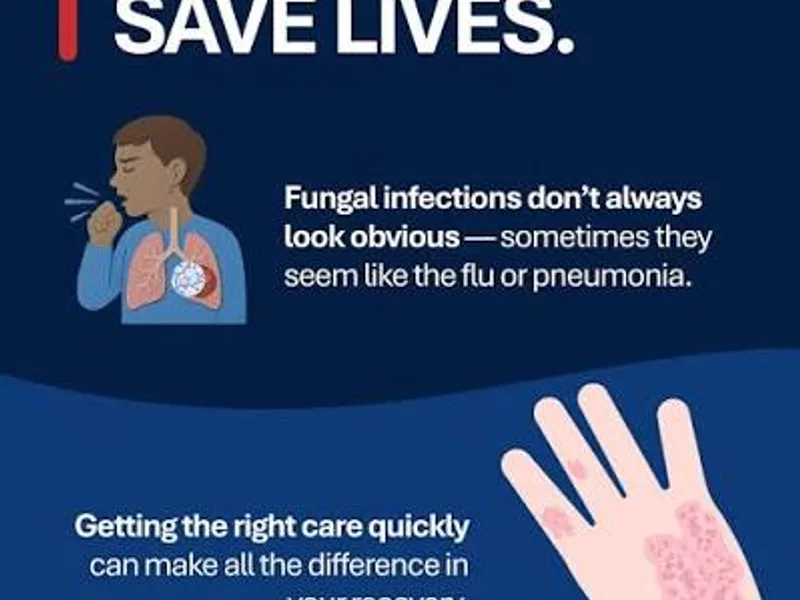
The latest CDC fungal infection warning is less about one new outbreak and more about a broader public-health concern: fungal diseases can be missed, become serious in vulnerable people and, in some cases, resist the medicines used to treat them.
The CDC's 2026 material says fungal diseases are underdiagnosed and advises people to understand their risks and know when to speak with a healthcare professional. The agency also points out that some fungal infections are difficult to treat because resistance to antifungal medicines is increasing.
That does not mean every itchy rash or nail change is dangerous. Most common superficial fungal infections are treatable. The concern is knowing when an apparently ordinary infection may need closer attention.
DOCTAR's guide on common fungal infection risk factors provides an overview of how fungi can affect the skin, nails, mucous membranes and, less commonly, internal organs.
Why Is the CDC Raising Awareness?
Fungal infections are easy to overlook because many begin with familiar symptoms.
An itchy rash, scaling between the toes or a discoloured nail may not seem urgent. But fungi can also cause lung infections, bloodstream infections and other invasive diseases that require prompt diagnosis, particularly in people whose immune systems are weakened.
The CDC says more than one billion people worldwide get a fungal infection each year, although the severity varies enormously. Common conditions include ringworm and vaginal yeast infections, while invasive fungal diseases can be life-threatening.
DOCTAR's ringworm guide explains why the name can be misleading: ringworm is caused by fungi, not worms.
Most Fungal Infections Are Not Severe
The word "fungal" can make a health warning sound frightening. The reality is more mixed.
Many infections remain limited to the skin, hair or nails. Fungal skin infections can cause itching, redness, scaling and discomfort without becoming a serious systemic illness.
Athlete's foot, for example, is a common form of ringworm affecting the feet. It can be uncomfortable and persistent, but it is very different from an invasive fungal infection affecting the bloodstream or lungs.
The same distinction applies to fungal nail infections. They may take time to clear because the nail grows slowly, but they are generally not comparable to severe invasive fungal disease.
Who Faces Greater Risk?
The CDC particularly highlights people with weakened immune systems.
This includes some people receiving cancer treatment, organ or bone-marrow transplant recipients and people with certain immune conditions. Critically ill hospital patients can also face higher risks of serious fungal infections.
People living with HIV may also be more vulnerable to certain fungal infections, especially when immune function is severely affected. DOCTAR's oral thrush and HIV guide explains why Candida can become a problem when immune defenses are weakened.
Diabetes is another relevant consideration. DOCTAR's diabetes and skin guide discusses fungal infections among the skin problems that can occur in people with diabetes.
That does not mean every person in these groups will develop a serious fungal infection. Risk depends on the individual situation, treatment history and type of exposure.
Why Diagnosis Can Be Difficult
Fungal disease does not always announce itself clearly.
Some lung fungal infections can cause symptoms resembling bacterial pneumonia or other respiratory illnesses. The CDC notes that laboratory testing may be needed to distinguish fungal disease from other causes.
Even skin conditions can be confusing. A fungal rash may resemble eczema, irritation or another inflammatory skin condition. DOCTAR's hand fungus versus eczema guide explains why appearance alone may not always settle the question.
In clinical practice, this is often missed because an itchy rash looks familiar and patients may repeatedly treat the symptom without confirming the cause.
For suspected superficial fungal disease, a KOH preparation test is one diagnostic method doctors may use. Other cases may require culture or additional laboratory testing.
The Drug-Resistance Problem
The CDC's warning also has a second layer: some fungi are becoming harder to treat.
Antifungal resistance means that a fungus is less responsive to a medicine that previously worked against it. The CDC says the number of effective antifungal medicines is limited, making resistance a particularly important concern.
One example is Candida auris, a yeast that can cause serious infections and spread in healthcare settings. A July 2026 CDC surveillance report described C. auris as frequently resistant to antifungal drugs and emphasized the importance of monitoring cases and colonization.
This is not the same thing as ordinary ringworm becoming a hospital superbug. Different fungi behave differently, and resistance patterns vary.
DOCTAR's guide to antifungal medicines explains why treatment depends on the type and location of infection.
Why Steroid Creams Can Cause Confusion
One practical issue deserves attention.
A steroid-containing skin cream can reduce redness and itching without treating the underlying fungus. In some circumstances, this can change the appearance of a fungal infection and make it harder to recognize.
The CDC's 2026 patient material specifically advises people buying non-prescription antifungal ointments to avoid products containing steroids that may worsen a fungal infection.
Persistent groin itching is one example. DOCTAR's jock itch guide discusses how incorrect treatment can contribute to persistent symptoms.
The tinea manuum guide covers similar issues involving fungal infections of the hands.
People should not start, stop or combine prescription medicines without professional advice.
Fungal Infections Can Affect Different Body Areas
Fungal disease is not one single condition.
Yeast infections can affect the vagina, while Candida can also cause oral infections.
A persistent vaginal yeast infection deserves medical attention if symptoms keep returning or do not respond as expected.
In children, oral thrush can produce white patches in the mouth. Another DOCTAR article covers oral thrush associated with inhaler use, since inhaled corticosteroids can increase the risk in some people.
Fungal changes can also look like something else. DOCTAR's white spots on skin guide discusses tinea versicolor, a yeast-related skin condition that can alter pigmentation.
What About Mold Exposure?
Mold is also a fungus, but exposure does not automatically mean infection.
Some people can develop allergic symptoms after exposure to mold, while certain environmental fungi can cause genuine infections, particularly when inhaled by susceptible people. CDC guidance notes that fungi can live in soil, dust, plants and other environmental sources.
DOCTAR's mold rash guide discusses how mold-related skin reactions may resemble other rashes.
The distinction matters. Allergy and fungal infection are not interchangeable diagnoses.
When Should You Seek Medical Advice?
A persistent or spreading rash deserves a closer look, particularly if the diagnosis is uncertain.
Medical evaluation becomes more important when symptoms are severe, recurring, spreading rapidly or accompanied by fever, significant pain or other signs of illness. People with weakened immune systems should have a lower threshold for seeking professional advice.
A rash is not automatically fungal. DOCTAR's general rash guide covers bacterial, viral, allergic and inflammatory causes that can look similar.
Similarly, buttock rashes can have several possible causes, including Candida, irritation and bacterial infection.
What Can People Do to Reduce Risk?
Simple habits can help with common superficial fungal infections.
Keeping vulnerable skin clean and dry, changing damp clothing, avoiding shared towels and footwear, and taking care of the feet can reduce opportunities for fungal growth. DOCTAR's fungal infection risk guide covers environmental and personal factors that can increase susceptibility.
People should also avoid assuming that every recurring rash needs another round of the same cream. Repeated treatment without confirming the diagnosis can delay appropriate care.
For persistent nail problems, DOCTAR's detailed nail fungus guide explains why diagnosis can matter before longer treatment is considered.
Why Candida Auris Gets Special Attention
Candida auris deserves separate mention because it behaves differently from many familiar fungal infections.
It can colonize people without obvious symptoms and can spread in healthcare settings. The CDC's 2026 surveillance report says monitoring both clinical cases and colonization is important for infection-control planning.
Recent CDC publications have also documented healthcare-associated outbreaks involving less familiar yeasts, including Wickerhamomyces anomalus. One 2026 report described a 2025 outbreak in Colombia involving predominantly neonatal and pediatric patients and emphasized rapid diagnosis and infection-control measures.
These reports do not mean such organisms are circulating widely in the community. They illustrate why hospitals need strong infection-control systems and laboratory capacity.
The Bigger Picture
The CDC warning is best understood as a call for awareness, not panic.
Fungal infections range from everyday skin conditions to rare but serious diseases. The people most at risk of severe illness are not necessarily the same people who develop common ringworm or athlete's foot.
For healthcare professionals, the challenge is recognizing when symptoms do not fit the usual pattern. For patients, the practical lesson is simpler: persistent, unusual or worsening symptoms should not be repeatedly self-treated without understanding what is causing them.