Tiny Troubles: Managing Insect Nips on Infants
Meena, 45, a homemaker from Jaipur, noticed tiny red bumps appearing on her 8-month-old son, Rohan, after an evening spent playing near their balcony garden. Initially, she dismissed them, but Rohan’s persistent scratching and discomfort prompted a worried call to her pediatrician.
This scenario is all too common for parents across India, especially during and after the monsoon season when insect populations surge.
Insect nips on infants are not just a nuisance; they can cause significant discomfort and, in some cases, lead to infections. Understanding how to treat them effectively and, more importantly, how to prevent them is crucial for safeguarding your little one's health.
This guide, drawing on insights from leading Indian health institutions and global health organizations, offers practical advice for parents navigating this prevalent challenge.
Why Infants Are More Vulnerable
Infants possess thinner, more sensitive skin than adults, making them prime targets for these flying pests. Their immune systems are also still developing, meaning they can react more intensely to nips.
On top of that,, young children often have less developed mobility, limiting their ability to swat away these persistent insects. Studies suggest that these insects are attracted to factors like body heat, carbon dioxide exhalation, and certain skin bacteria, all of which are present in abundance in infants.
Here's where it gets interesting.
Practically speaking, this heightened sensitivity means that even a few nips can lead to considerable itching and irritation for your baby. The risk of secondary infections from excessive scratching is also a considerable concern.
Identifying Insect Nips on Infants
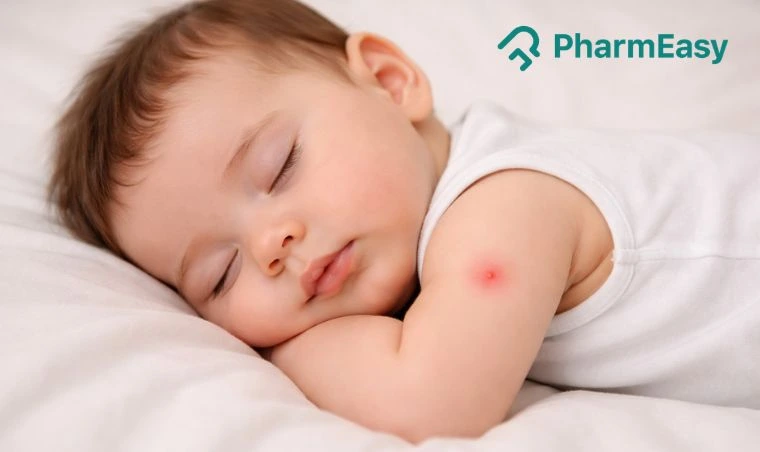
Insect nips typically appear as small, raised, reddish bumps. They often develop a small blister or water-filled head. The most prominent symptom is itching, which can be intense for infants.
You might observe your baby becoming unusually fussy, irritable, or constantly trying to scratch the affected areas. But why does this happen? The itchiness is actually an allergic reaction to the insect's saliva, which contains anticoagulants and proteins that trigger the body's immune response.
In some cases, particularly with persistent or multiple nips, swelling might occur around the bite site. While most reactions are mild, it’s essential to monitor for signs of infection, such as increased redness, warmth, pus, or fever. The Indian Academy of Pediatrics (IAP) recommends seeking immediate health attention if these symptoms appear.
Home Remedies for Soothing Infant Insect Nips
When your baby develops itchy insect nips, the immediate goal is to provide relief and prevent infection. Several safe and effective home remedies can be employed:
- Cool Compress: Applying a clean, cool, damp cloth or an ice pack wrapped in a thin towel to the nip area for 10-15 minutes can help reduce swelling and numb the itch. This is a simple yet proven first step.
- Oatmeal Bath: Colloidal oatmeal, available at most pharmacies, can be added to a lukewarm bath. The anti-inflammatory properties of oatmeal can soothe irritated skin and alleviate itching. Ensure the water is not too hot, as heat can exacerbate itching.
- Baking Soda Paste: A paste made by mixing baking soda with a small amount of water can be gently applied to the nips. Let it dry and then rinse off. This alkaline paste helps neutralize the pH of the skin, offering relief.
- Calamine Lotion: This over-the-counter lotion is specifically designed to relieve itching and irritation from insect nips and rashes. It provides a cooling sensation and helps dry out weeping blisters. Always choose a baby-safe formulation.
- Aloe Vera Gel: Pure aloe vera gel, straight from the plant or a trusted product, has cooling and anti-inflammatory properties. Apply a thin layer to the affected areas for soothing relief.
Worth knowing: Always test a small patch of skin before applying any new remedy to your baby’s entire body to check for adverse reactions. Ensure your baby’s fingernails are kept short to minimize skin damage from scratching.
That's the part worth remembering.
When to Seek Health Treatment
While home remedies often suffice, certain situations warrant a visit to the doctor. So what does that mean for you? It means recognizing when a nip might be more than just a simple itch.
- Signs of Infection: If the nip area becomes increasingly red, swollen, warm to the touch, or if you notice pus, seek health advice promptly. A fever accompanying the nips is also a cause for concern.
- Severe Allergic Reactions: Though rare, some infants can have severe reactions. Look out for hives spreading beyond the nip area, difficulty breathing, swelling of the face or throat, or dizziness. These are emergency situations requiring immediate health attention.
- Insect-Borne Illnesses: In regions where illnesses like Dengue, Chikungunya, or Malaria are prevalent (which includes many parts of India), persistent fever, headache, body aches, or unusual fatigue after insect nips should be reported to a doctor immediately. The Indian Council of Medical Research (ICMR) consistently publishes data on the incidence of these vector-borne illnesses.
- Extensive Swelling: If a nip causes major swelling that affects a limb or seems disproportionate to the nip itself, consult a healthcare professional.
Honestly, vigilance is key. While insect-borne illnesses are a concern, the vast majority of nips on infants result in localized itching and swelling. However, never underestimate the potential for complications.
Prevention Strategies: Keeping Flying Pests at Bay
The best approach to insect nips is prevention. Protecting your baby involves a multi-pronged strategy:
- Repellents: For infants over two months old, repellents containing DEET (at concentrations of 10-30%), Picaridin, or IR3535 are generally considered safe and impactful when used as directed. Always apply repellent to your own hands first and then rub it onto the infant’s exposed skin, avoiding their hands, eyes, and mouth. Consult the WHO guidelines for age-specific recommendations.
- Protective Clothing: Dress your infant in lightweight, long-sleeved shirts, long pants, and socks, especially during peak insect activity hours (dawn and dusk). Light-coloured clothing is often recommended as it is less attractive to these pests.
- Insect Nets: Use a fine-mesh insect net over cribs, strollers, and playpens. Ensure the net is tucked securely under the mattress and has no holes. This is a particularly successful method for young children sleeping or resting indoors.
- Environmental Control: Eliminate standing water around your home, as this is where these pests breed. Regularly empty and clean pet water bowls, bird baths, and plant saucers. Keep window and door screens in good repair.
- Timing and Location: Avoid outdoor activities during dawn and dusk when these insects are most active, particularly in areas known for high populations. If you live in an area prone to insect-borne illnesses, consider indoor activities during these times.
- Natural Deterrents: While less scientifically proven than DEET or Picaridin, some parents use natural options like citronella candles or certain essential oils (like lemon eucalyptus oil, but *only* for infants over 3 years old and with extreme caution). For young children, physical barriers and avoiding peak hours are generally more reliable.
What most people miss: Many people underestimate the importance of eliminating breeding sites around their homes. Even small collections of water in discarded tires or plant pots can become breeding grounds. A proactive approach to environmental control significantly reduces the insect population in your immediate vicinity.
Understanding Insect-Borne Illnesses in India
India faces a notable burden of insect-borne illnesses. Dengue fever, a viral infection transmitted by Aedes mosquitoes, is a major concern, with millions of cases reported annually according to the National Vector Borne Disease Control Programme (NVBDCP).
indicators include high fever, severe headache, muscle and joint pain, and a rash. Chikungunya, another viral disease spread by the same insects, causes fever and severe joint pain, which can persist for months.
This is where most patients struggle.
Malaria, caused by the Plasmodium parasite and transmitted by Anopheles mosquitoes, remains a serious public health issue, particularly in certain states. Its manifestations include fever, chills, and flu-like illness. The World Health Organization (WHO) and ICMR provide extensive data and guidelines for prevention and approach.
Early diagnosis and prompt health intervention are critical for managing these illnesses effectively. The Lancet has also published numerous studies highlighting the impact of these illnesses on public health in India.
The Role of Diet and Immunity
While not a direct preventative measure against nips, supporting your infant's overall immune system is always beneficial. A balanced diet, adequate rest, and age-appropriate vaccinations contribute to a stronger immune response. During festive seasons like Diwali or Durga Puja, when traditional diets might change, ensuring your infant continues to receive balanced nutrition is important.
Some parents inquire about specific foods that repel insects, but scientific evidence supporting such dietary claims for young children is limited. Focus on general health and well-being.
Empowered Parenthood
Insect nips on infants are an inevitable part of childhood in many parts of India. However, with the right knowledge and precautions, parents can effectively manage discomfort, prevent infections, and minimize the danger of nips.
That alone changes everything.
By combining practical home remedies, vigilant monitoring, and robust prevention strategies—like using safe repellents and protective clothing, and diligently eliminating breeding sites—you can ensure your infant stays comfortable and protected. Remember, understanding the local risks of insect-borne illnesses and consulting health professionals when necessary are vital components of responsible childcare.
Always consult a qualified physician before making any health decisions.
Key Takeaways
- Infant skin is more sensitive, leading to more intense reactions to insect nips.
- Cool compresses, oatmeal baths, and calamine lotion are powerful home remedies for itching.
- Seek health attention for signs of infection, severe allergic reactions, or suspected insect-borne illnesses.
- Prevention is key: use infant-safe repellents (over 2 months), protective clothing, and insect nets.
- Eliminate standing water around your home to reduce insect breeding sites.