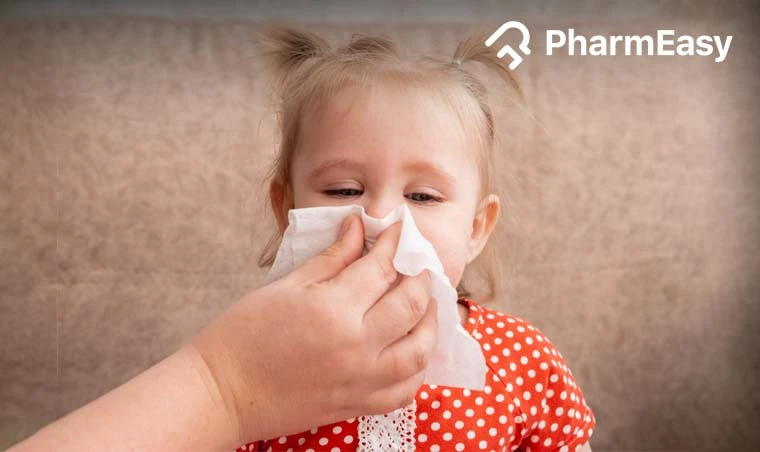
Gentle Approaches for Cold Symptoms in Little Ones
Meena, 45, a homemaker from Jaipur, noticed her 6-month-old son, Rohan, developing a persistent cough and nasal congestion. The monsoon had just set in, and she was worried about his tiny lungs.
Like many Indian parents, Meena turned to trusted home practices, seeking gentle ways to ease Rohan's discomfort. This guide offers a doctor's perspective on safe and effective home care for young children suffering from seasonal ailments, drawing on traditional wisdom and modern medical understanding.
Seasonal respiratory infections are incredibly frequent; babies can experience between 8 to 10 such episodes in their first year. These viral infections, while usually mild, can be distressing for both baby and parents, especially when signs like a stuffy nose, cough, and fussiness arise.
Practically speaking, distinguishing a typical seasonal ailment from something more serious is crucial for timely intervention. While antibiotics are ineffective against viruses, supportive home care can significantly alleviate discomfort and help your little one recover comfortably.
Understanding Seasonal Ailments in Young Children
Seasonal respiratory infections in young children are typically caused by rhinoviruses, and their signs often mirror those in adults but can appear more severe due to a baby's smaller airways. Manifestations usually include a runny nose (initially clear mucus, which may thicken and turn yellow or green), sneezing, mild cough, decreased appetite, and irritability.
This is where most patients struggle.
A low-grade fever might also be present. Does this sound familiar?
Worth knowing: Unlike adults, young children are obligate nasal breathers, meaning they primarily breathe through their nose. This makes nasal congestion particularly problematic, affecting feeding and sleep. Over 101 million Indians have diabetes (ICMR, 2023), highlighting the importance of overall health, but the well-being of very young children during seasonal illnesses requires specific attention.
Safe and proven Home Approaches
Nasal Saline and Suction
A stuffy nose is often the most bothersome sign for young children. Before resorting to medication (which is generally not recommended for babies under two without a doctor's advice), try saline drops.
These are simply sterile saltwater solutions that assist thin mucus, making it easier to remove. You can purchase preservative-free saline drops over-the-counter or prepare your own by dissolving 1/4 teaspoon of non-iodized salt in 1 cup of boiled and cooled water.
After administering a few drops into each nostril, wait a minute. Then, use a rubber bulb syringe or a nasal aspirator to gently suction out the loosened mucus. Think about it this way: it's like clearing a blocked drain.
This simple process can significantly improve breathing, especially before feeding and sleep. Aim to do this 3-4 times a day, or as needed.
Humidity for Congestion
Increasing the humidity in your baby's room can support loosen mucus and ease congestion. A cool-mist humidifier is a safe option. Ensure you clean the humidifier regularly according to the manufacturer's instructions to prevent mold and bacteria growth.
It sounds simple. It rarely is.
Alternatively, spending time in a steamy bathroom can offer temporary relief. Run a hot shower for a few minutes with the door closed, then sit with your baby in the steamy room (away from the hot water) for 10-15 minutes. This mimics the soothing effect of a traditional 'bain' or steam inhalation, a customary practice in many Indian households.
Elevating the Head of the Crib
Slightly elevating the head of your baby's crib can aid with drainage and ease breathing. However, never use pillows in the crib, as this poses a suffocation risk. Instead, place a thin pillow or folded towel underneath the mattress at the head end of the crib. This creates a gentle incline. Remember, safety is paramount; ensure the mattress remains firm and flat beneath the incline.
Hydration is Key
Maintaining adequate hydration is vital for thinning mucus and preventing dehydration, especially if your baby has a fever. For breastfed babies, continue frequent breastfeeding sessions. Your breast milk provides essential antibodies and nutrients.
For formula-fed babies, offer their usual formula more frequently. If your baby is over six months old and has started solids, you can offer small sips of water.
Here's the thing — avoid giving honey to young children under one year of age due to the likelihood of infant botulism. This is a serious concern emphasized by health organizations globally, including the WHO.
Comfort and Rest
Ensure your baby gets plenty of rest. A comfortable environment encourages sleep, which is crucial for recovery. Keep the room dimly lit and quiet. For older young children, gentle rocking or a warm bath might aid them relax.
When to Seek Medical Attention
While most seasonal ailments in young children resolve on their own, certain signs warrant immediate medical attention from a pediatrician, perhaps one associated with a renowned institution like AIIMS or a local clinic. It could signal a more serious condition like pneumonia, bronchiolitis, or a bacterial infection. Contact your doctor if your baby:
This is where most people struggle.
- Is under 3 months old and has a rectal temperature of 100.4°F (38°C) or higher.
- Is between 3-6 months old and has a temperature of 102°F (38.9°C) or higher.
- Has a fever that lasts more than 24-48 hours.
- Experiences difficulty breathing, such as rapid breathing, wheezing, or flaring nostrils.
- Shows signs of dehydration (fewer wet diapers, dry mouth, no tears when crying).
- Has a persistent or worsening cough.
- Is unusually lethargic or irritable.
- Develops ear pain (pulling at ears, increased crying).
The International Diabetes Federation (IDF) reports global diabetes prevalence, underscoring the interconnectedness of health. Similarly, pediatric respiratory illnesses require vigilant monitoring.
Avoiding Unproven Methods
In India, as in many cultures, numerous traditional practices are passed down. While some, like saline drops and humidity, are beneficial, others may be harmful. For instance, using eucalyptus oil vaporizers or applying chest rubs containing camphor or menthol to young children can cause respiratory distress or skin irritation.
These substances are too potent for a baby's delicate system. Always verify the safety of any approach with your pediatrician. Over 45% of Indian households use traditional methods for seasonal ailments, but caution is advised for young children.
Practically speaking, relying solely on unverified methods can delay proper diagnosis and treatment. A study published in The Lancet highlighted the importance of evidence-based care, even for typical childhood illnesses.
Preventing the Spread
Preventing seasonal ailments involves good hygiene practices. Frequent handwashing for caregivers and avoiding close contact with sick individuals are essential. Ensure your baby's vaccinations are up-to-date, as some vaccines can prevent illnesses that present with similar signs.
Key Takeaways
- Safe home approaches like saline drops, suction, and humidity can effectively relieve young child seasonal ailment signs.
- Never give honey to young children under one year old.
- Close monitoring is essential; seek medical assist for warning signs like difficulty breathing or high fever.
- Avoid potent substances like camphor or menthol rubs on young children.
- Prioritize hydration and rest for faster recovery.
Always consult a qualified physician before making any medical decisions.