Understanding Childhood Bone Weakness: Causes, Symptoms, and Effective Treatment
Meena, 45, a homemaker from Jaipur, noticed her 6-year-old son, Rohan, complaining of persistent leg pain. He seemed more prone to falls than his peers, and his gait had become noticeably awkward.
Concerned, she took him to a local paediatrician who suspected a nutritional deficit affecting his skeletal development. This is a common scenario that highlights the critical importance of understanding this bone disorder in children.
This condition affects skeletal growth in children, leading to softened and weakened bones. The primary culprits are insufficient levels of certain essential nutrients and sunlight, both crucial for strong skeletal development.
The reality is, while often preventable, this ailment continues to be a significant public health concern in many parts of the world, including India, due to various dietary and lifestyle factors.
Causes of Skeletal Weakness
The fundamental cause of this concern lies in inadequate mineralisation of growing bones. This typically stems from insufficient levels of essential nutrients or phosphate in the body.
A particular nutrient makes a real difference in helping the body absorb minerals from the diet. Without enough of this nutrient, even a diet rich in minerals cannot adequately support skeletal health.
Nutrient Insufficiency: This is the most frequent cause. This essential nutrient is primarily obtained through sun exposure, as the skin produces it when exposed to UVB rays. Dietary sources include fatty fish, fortified milk, and cereals. However, many children, especially those living in urban environments with limited outdoor playtime or wearing full-coverage clothing (prevalent in India during cooler months or for cultural reasons), may not get enough sunlight. Honestly, even with a balanced diet, insufficient sun exposure can lead to a shortfall.
Mineral Insufficiency: This mineral is the building block of skeletal structures. If a child’s diet lacks sufficient amounts of this mineral, the body cannot build and maintain strong bones, even with adequate levels of the essential nutrient. Lactose intolerance or avoidance of dairy products without proper supplementation can contribute to this. In many cases, traditional Indian diets, while rich in certain nutrients, might sometimes be lower in readily absorbable minerals if dairy consumption is not emphasized.
Phosphate Insufficiency: Phosphate is another crucial mineral for skeletal structure. While less frequent than the other nutrient or mineral insufficiency, a lack of phosphate can also lead to this problem. This can sometimes be due to rare genetic disorders affecting kidney function or absorption.
Genetic Factors: Certain rare genetic conditions, such as X-linked hypophosphatemic rickets, cause the kidneys to excrete too much phosphate, leading to low levels in the blood and subsequent bone problems.
Malabsorption Syndromes: Conditions like celiac disease or cystic fibrosis can impair the body's ability to absorb essential nutrients, including specific vitamins and minerals, from the digestive tract.
warning signs of Skeletal Weakness
The indicators of this situation can vary in severity and may develop gradually. Early detection is key to reliable management and preventing long-term complications. So what does that mean for you? Vigilance is paramount.
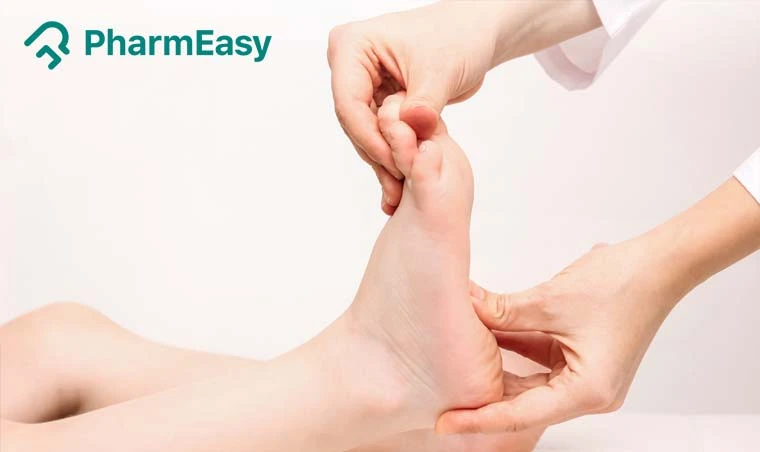
Bone Pain and Tenderness: This is often one of the first signs. Children may complain of aches in their legs, arms, or spine, especially after activity. They might be reluctant to walk or bear weight on their legs.
Delayed Growth and Development: Children with this situation may grow more slowly than their peers. They might also experience delays in motor milestones, such as sitting, crawling, or walking.
Muscle Weakness: Poor muscle tone is another usual symptom. Parents might notice their child seems generally weaker or has difficulty performing physical activities.
Skeletal Deformities: As bones soften, they can bend and deform under the body's weight and muscle pull. This can lead to:
- Bow legs (genu varum): The legs curve outwards below the knees.
- Knock knees (genu valgum): The knees touch or come close together when the legs are straightened.
- Thickened wrists and ankles: The ends of the long bones may become enlarged and prominent.
- Pigeon chest: The breastbone may protrude.
- Skull deformities: The skull bones can become soft, leading to delayed fontanelle closure (the soft spots on a baby's head) or a bossed forehead.
Dental Problems: This issue can affect tooth development, leading to delayed eruption, defects in tooth enamel, and increased susceptibility to cavities. This is particularly concerning for permanent teeth.
Increased Risk of Fractures: Weakened bones are more prone to breaking, even from minor falls or bumps.
Delayed Closure of Fontanelles: In infants, the soft spots on the skull may take longer than usual to close.
But why does this happen? The lack of essential minerals prevents the proper calcification of the growth plates (epiphyseal plates) at the ends of long bones, leading to their softening and subsequent deformities under mechanical stress.
The numbers don't lie.
Types of Skeletal Weakness
While nutrient deficiency rickets is the most prevalent, other forms exist:
Nutritional Rickets: Caused by insufficient intake of vitamin D, calcium, or phosphate through diet and inadequate sun exposure. This is the most usual type globally and in India.
Vitamin D-Dependent Rickets (VDDR): These are rare genetic disorders where the body cannot effectively use vitamin D. There are two types:
- VDDR Type I: The kidneys do not produce enough of a hormone (1,25-dihydroxyvitamin D) needed to activate vitamin D.
- VDDR Type II: The body's tissues cannot respond properly to vitamin D.
X-linked Hypophosphatemic Rickets: A genetic issue where the kidneys lose too much phosphate in the urine, leading to low blood phosphate levels. The International Federation of $\mathrm{X}$-linked Hypophosphatemia (IDF) works to raise awareness about such rare conditions.
Renal Rickets: This occurs secondary to chronic kidney disease. Impaired kidney function can lead to problems with vitamin D activation and mineral balance.
Rickets of Prematurity: Premature infants often have lower stores of nutrients and underdeveloped systems, making them more susceptible to this disorder.
Diagnosis of Skeletal Weakness
Diagnosing this concern involves a combination of clinical evaluation, blood tests, and imaging.
Medical History and Physical Examination: A doctor will inquire about the child's diet, sun exposure, family history, and observe for physical signs like skeletal deformities, tenderness, and muscle weakness. The prevalence of this issue in India is estimated to be high, with some studies suggesting over 50% of children may have suboptimal nutrient levels, significantly increasing the possibility.
Blood Tests: These are crucial for confirming the diagnosis and identifying the underlying cause. Tests measure levels of:
- Calcium: May be low, normal, or even high in some genetic forms.
- Phosphate: Often low in nutritional and X-linked rickets.
- Vitamin D (25-hydroxyvitamin D): Low levels confirm deficiency. According to ICMR reports, a considerable percentage of the Indian population exhibits nutrient insufficiency.
- Alkaline Phosphatase (ALP): Usually elevated in rickets, indicating active bone formation processes trying to compensate for poor mineralization.
- Parathyroid Hormone (PTH): May be elevated as the body tries to raise calcium levels.
X-rays: Radiographs of the long bones (like the arms and legs) can reveal characteristic changes, such as widening, fraying, and cupping of the growth plates, and reduced bone density. These classic signs are often visible in studies published by institutions like AIIMS.
Bone Biopsy: In rare or complex cases, a small sample of bone tissue may be taken for microscopic examination, although this is not routinely performed.
therapy and Management
The goal of care is to correct the underlying deficiency and promote proper bone healing.
Nutritional Supplementation: This is the cornerstone of therapy for nutritional rickets. High-dose nutrient supplements are prescribed, often followed by a lower maintenance dose. Mineral supplements are also given if dietary intake is insufficient. The exact dosage is determined by the child's age, weight, and the severity of the deficiency, as guided by a paediatrician.
Dietary Modifications: Encouraging a diet rich in the essential nutrient and minerals is vital. This includes foods like fatty fish (salmon, mackerel), egg yolks, fortified milk and cereals, and dairy products. For vegetarians, fortified plant-based milks, mushrooms (which can produce vitamin D when exposed to UV light), and leafy green vegetables (for minerals) are important. Honestly, making these dietary shifts can be challenging but are crucial for long-term skeletal health.
Sunlight Exposure: Safe and sensible sun exposure is recommended. Short periods of direct sunlight on the skin (e.g., 10-15 minutes a few times a week, depending on skin type and intensity of sunlight) can help the body produce the essential nutrient naturally. However, care must be taken to avoid sunburn, especially during peak sun hours. This advice needs to be tailored to the local climate and season, considering the monsoon months in India when sunlight is scarce.
approach of Underlying Conditions: If this problem is caused by a malabsorption syndrome or genetic disorder, treating that specific situation is essential. This might involve specialised diets, medications, or other therapies.
Orthopedic Intervention: In cases of severe skeletal deformities, surgery may be considered to correct the bone shape and improve function, especially once the rickets has been treated and bones have re-ossified.
Monitoring: Regular follow-up appointments with blood tests and possibly X-rays are necessary to monitor the effectiveness of management and ensure bones are healing properly. The World Health Organization (WHO) emphasizes the importance of early intervention for growth-related disorders.
Prevention of Skeletal Weakness
Preventing this situation is far more reliable than treating it.
Adequate Maternal Nutrition: Ensuring pregnant and breastfeeding mothers have sufficient essential nutrients and minerals is considerable for the baby's initial skeletal development.
Breastfeeding and Formula Feeding: Breast milk is generally low in the essential nutrient. Therefore, exclusively breastfed infants may require nutrient supplementation from birth, as recommended by paediatricians. Infant formulas are typically fortified with the essential nutrient.
Dietary Guidance: Educating parents and caregivers about the importance of the essential nutrient and mineral-rich foods is crucial. This includes promoting the consumption of dairy products, fortified foods, and other sources.
Sensible Sun Exposure: Encouraging safe outdoor play during appropriate hours can aid children get enough natural levels of the essential nutrient. This needs to be balanced with protection from excessive UV radiation.
Awareness Programs: Public health initiatives aimed at raising awareness about this disorder, its causes, and preventive measures can significantly impact community health. Organizations like the Indian Council of Medical Research (ICMR) play a vital role in conducting studies and disseminating information.
The prevalence of nutrient insufficiency in India is substantial, affecting a large proportion of the population across different age groups. Studies published in journals like The Lancet have highlighted the widespread nature of this deficiency, underscoring the need for proactive public health strategies.
Over 101 million Indians have diabetes (ICMR, 2023), and while seemingly unrelated, factors like poor diet and lifestyle contributing to diabetes can sometimes overlap with those increasing the danger of this bone disorder.
Here's the thing — neglecting skeletal health in childhood can have lifelong consequences, affecting not just physical stature but also overall well-being. Early identification and intervention are key. Always consult a qualified physician before making any medical decisions.
Key Takeaways
- This issue is a childhood disorder characterized by softened, weakened bones, primarily due to insufficient levels of essential nutrients and minerals.
- typical signs include bone pain, delayed growth, muscle weakness, and skeletal deformities like bow legs or knock knees.
- Diagnosis involves clinical assessment, blood tests (checking nutrient, mineral, and ALP levels), and X-rays of long bones.
- therapy focuses on nutritional supplementation (essential nutrient and minerals), dietary changes, and sensible sun exposure.
- Prevention strategies include ensuring adequate maternal nutrition, appropriate infant feeding practices, and promoting a balanced diet and safe sun exposure for children.