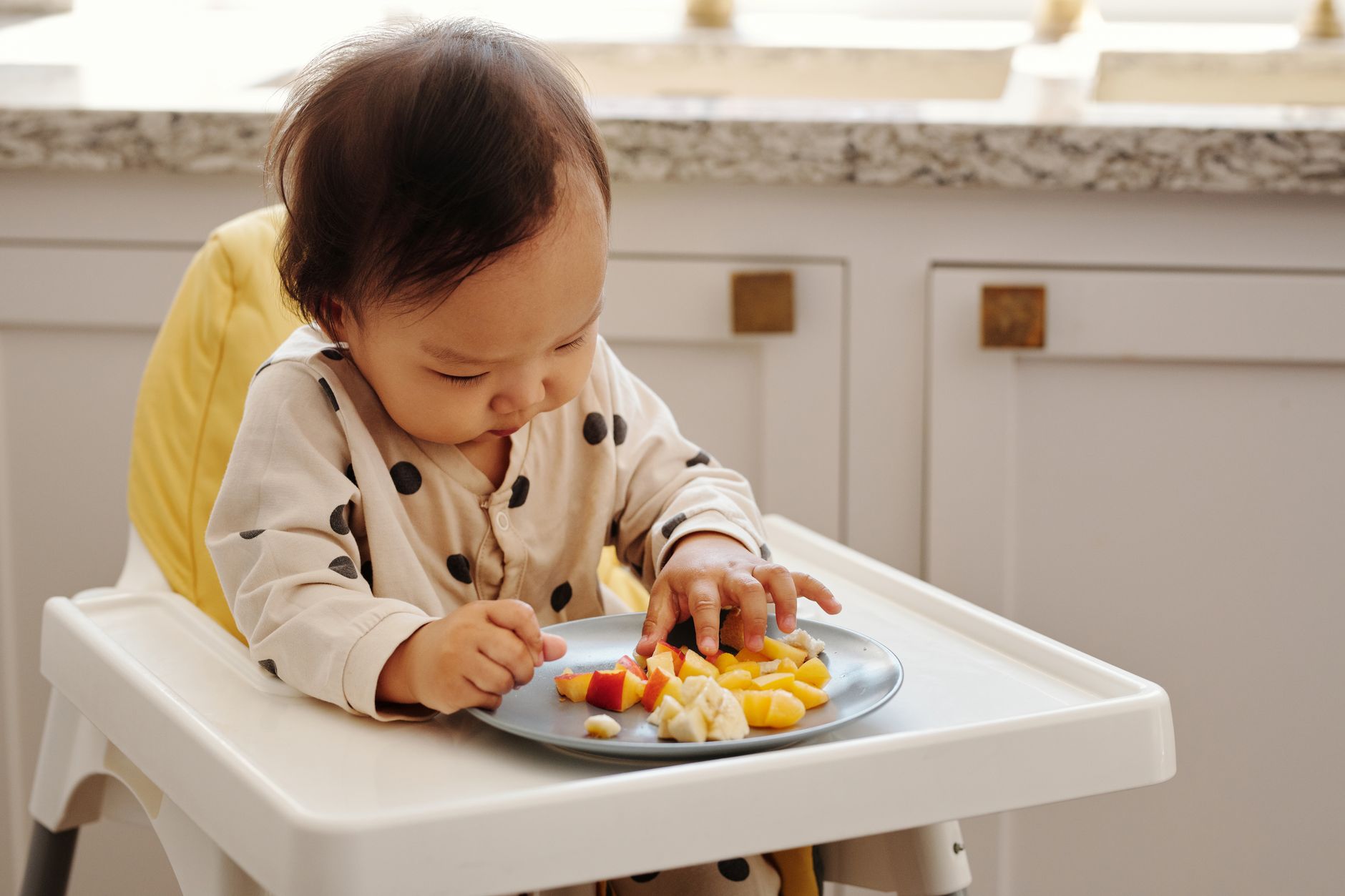
Planning to raise your baby on a vegan diet? It's a growing trend, but safety and nutritional adequacy are top concerns for parents. This guide explores the ins and outs of vegan infant nutrition, addressing potential nutrient deficiencies, offering practical tips for meal planning, and discussing when to seek professional advice. We'll cover everything from breast milk and formula to introducing solid foods, ensuring your little one thrives on a plant-based diet.
Understanding Vegan Diets for Infants
The question on many parents' minds is: Can a baby be healthy and thrive on a vegan diet? The short answer, according to experts like the Academy of Nutrition and Dietetics, is yes, provided the diet is well-planned. This means carefully considering all essential nutrients to ensure your baby gets everything they need for optimal growth and development. While a vegan diet excludes meat, dairy, fish, and eggs, it doesn't mean compromising on nutrition. It simply requires a more thoughtful approach to food choices.
Breast Milk and Formula: The First Foods
For the first six months of life, breast milk or a suitable infant formula is the sole source of nutrition for your baby. If you are breastfeeding, you can continue your vegan lifestyle without issue, as breast milk is human milk tailored for human babies and poses no ethical conflict for vegan parents. However, if formula feeding is necessary, finding vegan-specific infant formulas might be a challenge, though they do exist. Ensure any formula you choose is specifically designed for infants and meets all their nutritional requirements.
Introducing Solid Foods: A Vegan Approach
Around six months of age, you'll begin introducing solid foods. This is a critical time to ensure your vegan baby receives adequate nutrition. The focus shifts to macronutrients: protein, fats, and carbohydrates. For vegan babies, ensuring sufficient protein and healthy fats is particularly important.
Protein Power for Little Ones
Protein is essential for growth and development. In a vegan diet, plant-based sources like beans, peas, lentils, tofu, and nut and seed butters can provide adequate protein. However, it's crucial to replace animal proteins effectively. Avoid relying on low-protein vegan milk alternatives like almond, coconut, or rice milk for babies and toddlers, as they can fill up tiny stomachs without providing enough nutrients.
Healthy Fats for Brain Development
Fats are vital for a baby's rapidly developing brain. Healthy plant-based fat sources to incorporate include vegetable oils, nut and seed butters, and hemp hearts. These provide the necessary energy and support cognitive functions.
Key Nutrients to Monitor on a Vegan Diet
Certain nutrients require special attention in vegan infant diets, as they are more readily available in animal products. Careful planning and supplementation may be necessary.
Vitamin B12: The Essential Supplement
Vitamin B12 is primarily found in animal products. While some fortified foods like breakfast cereals and soy milk contain B12, it's often insufficient for infants. A reliable B12 supplement is usually recommended for vegan babies to prevent deficiencies that can lead to developmental issues.
Iron: Fueling Growth
Babies' iron needs are highest between 7 to 12 months due to rapid growth. Plant-based iron sources include lentils, beans, tofu, and fortified cereals. To enhance iron absorption, offer these foods with vitamin C-rich foods like berries or pureed vegetables. Your pediatrician may recommend an iron supplement if levels are low.
Calcium: Building Strong Bones
Calcium is vital for bone health. Good vegan sources include fortified plant milks (ensure they are suitable for infants if used), tofu made with calcium sulfate, leafy greens like kale and broccoli, and sesame seeds (in paste form, like tahini, for easier digestion).
Iodine: For Thyroid Function
Plant-based diets can sometimes be low in iodine. Since added salt isn't recommended for babies under 12 months, vegan babies might be at risk for deficiency. Using iodized salt in cooking for older babies and toddlers, or discussing an iodine supplement with your doctor, can help ensure adequate intake.
DHA Omega-3 Fatty Acids: For Brain and Eye Health
DHA is crucial for neural and cognitive development. While primarily found in fatty fish, vegan sources include algae-based DHA supplements. Ensure your baby receives adequate DHA through supplements or fortified foods.
Practical Tips for Vegan Baby Meal Planning
Creating balanced vegan meals for your baby involves variety and attention to detail. Here are some practical tips:
- Focus on whole foods: Prioritize fruits, vegetables, legumes, whole grains, nuts, and seeds.
- Offer variety: Introduce a wide range of foods to ensure a broad spectrum of nutrients.
- Read labels carefully: Look for fortified foods, especially for B12, calcium, and vitamin D.
- Consult a dietitian: Work with a registered dietitian specializing in pediatric nutrition to create a personalized meal plan.
- Consider supplements: Discuss necessary supplements (like B12, vitamin D, iron, and DHA) with your pediatrician or dietitian.
When to Consult a Doctor or Dietitian
While raising a vegan baby is generally safe and healthy with proper planning, it's essential to work closely with healthcare professionals. Regular check-ups with your pediatrician are vital to monitor your baby's growth and development. Don't hesitate to seek advice from a registered dietitian specializing in pediatric nutrition. They can help you navigate the complexities of vegan infant nutrition, address any concerns, and ensure your baby is thriving.
A real-life scenario: Maya noticed her 8-month-old, Rohan, seemed a bit sluggish and wasn't gaining weight as expected. She was diligently feeding him pureed lentils and fortified cereals but worried she might be missing something. Her pediatrician recommended a consultation with a pediatric dietitian, who identified that Rohan needed more healthy fats and a B12 supplement to support his growth. With the dietitian's guidance, Maya adjusted Rohan's diet, and he soon started gaining weight and becoming more active.
Frequently Asked Questions (FAQ)
Can my vegan baby get enough protein?
Yes, with careful planning. Ensure you offer a variety of plant-based protein sources like lentils, beans, tofu, and nut butters. Combining different plant proteins throughout the day helps ensure a complete amino acid profile.
What are the biggest risks of a vegan diet for babies?
The primary risks involve deficiencies in key nutrients like Vitamin B12, iron, calcium, iodine, and DHA omega-3 fatty acids if the diet is not adequately planned or supplemented. These deficiencies can impact growth and development.
Is it okay to use soy-based formula for my vegan baby?
Soy-based formulas can be an option, but ensure they are specifically designed for infants and meet all their nutritional needs. It's always best to discuss formula choices with your pediatrician.
How can I ensure my vegan baby gets enough Vitamin D?
Vitamin D is often fortified in infant formulas and some plant milks. If your baby is primarily breastfed and you are vegan, a Vitamin D supplement is usually recommended. Exposure to sunlight also helps, but caution is needed to prevent sunburn.