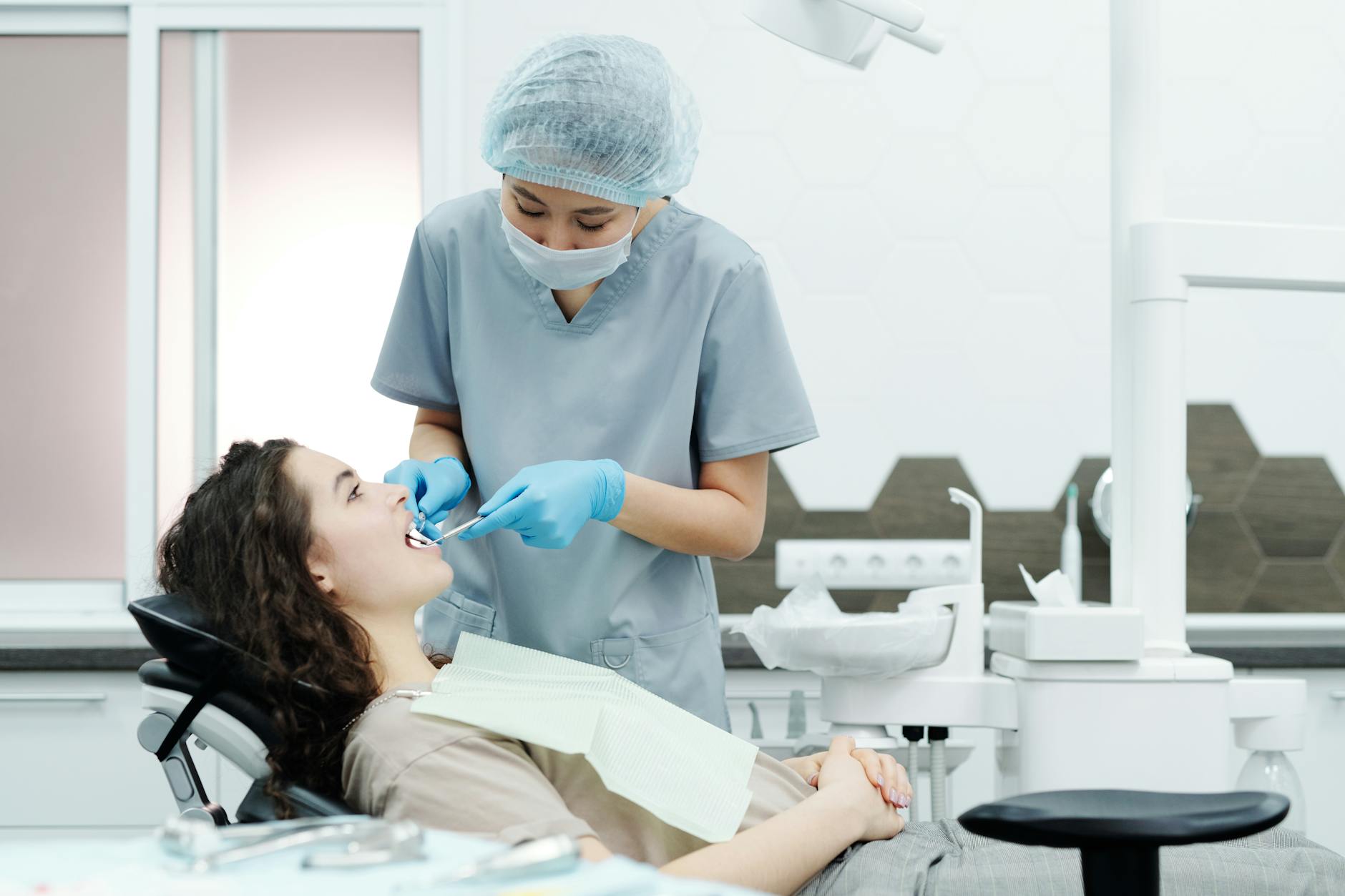
As a parent, ensuring your child has a bright and healthy smile is a top priority. However, the cost of regular dental check-ups, cleanings, and potential treatments can add up quickly, especially without dental insurance. In India, while the healthcare landscape is evolving, finding accessible and affordable dental care for children can still be a challenge for many families. This guide aims to help you navigate the options available, providing practical steps and resources to secure essential dental services for your little ones without breaking the bank.
Why Early Dental Care is Non-Negotiable
It’s recommended that every child establishes a relationship with a dentist by their first birthday. Why so early? Because baby teeth matter! They play a vital role in speech development, chewing, and saving space for permanent teeth. Neglecting baby teeth can lead to cavities, infections, pain, and even affect your child’s overall health and self-esteem. Regular visits allow dentists to catch potential problems early, when they are easier and less expensive to treat. This also helps your child become comfortable with the dental environment, reducing anxiety for future appointments.
Common Dental Concerns in Children
- Cavities (Dental Caries): These are the most common chronic childhood disease. They occur when bacteria in the mouth produce acids that erode tooth enamel.
- Gum Disease (Gingivitis): Early signs include red, swollen, or bleeding gums. Poor oral hygiene is the main culprit.
- Toothaches: Pain can stem from cavities, infections, or injuries.
- Dental Trauma: Falls or accidents can lead to chipped, broken, or knocked-out teeth.
- Misaligned Teeth: While not always an immediate concern, some alignment issues can affect chewing and cleaning.
Strategies for Accessing Affordable Dental Care in India
Finding affordable dental care often requires a proactive approach and exploring various avenues. Here are several strategies that can help:
1. Government Health Schemes and Initiatives
India has several government programs aimed at improving healthcare access for its citizens. While specific dental coverage can vary, it's worth investigating:
- Rashtriya Swasthya Bima Yojana (RSBY) / Ayushman Bharat Pradhan Mantri Jan Arogya Yojana (AB-PMJAY): These national health insurance schemes aim to provide financial protection against catastrophic health expenditures. Check with your local health authorities or the official AB-PMJAY website to see if dental treatments, especially for children, are covered under the scheme in your state. Eligibility is typically based on socioeconomic factors.
- State-Specific Public Health Centers: Many state governments run public health centers and government hospitals that offer subsidized or free dental services. These facilities often have dental departments equipped to handle common pediatric dental issues. The quality of care can vary, but they are a vital resource for low-income families.
2. Community Health Clinics and Dental Camps
Non-profit organizations, charitable trusts, and dental associations frequently organize free or low-cost dental camps in underserved communities. These camps often provide:
- Basic dental check-ups and screenings
- Dental cleanings
- Fluoride treatments
- Temporary fillings for cavities
- Dental health education
How to Find Them:
- Local NGOs: Contact local non-governmental organizations working in child welfare or healthcare.
- Dental Associations: Keep an eye on announcements from the Indian Dental Association (IDA) or its local branches. They often spearhead awareness campaigns and camps.
- Community Centers and Schools: Check with local community centers or your child’s school; they might be aware of upcoming dental health initiatives.
Scenario: Mrs. Sharma, a single mother living in a semi-urban area, noticed her son complaining of tooth pain. Worried about the cost of a private clinic, she contacted a local child welfare NGO. They informed her about an upcoming free dental screening camp organized by the IDA in their locality the following week. She registered her son, and he received a free check-up and a filling for his cavity.
3. Dental Colleges and Teaching Hospitals
Dental colleges and universities with dental schools offer another excellent avenue for affordable care. Here’s why:
- Reduced Costs: Treatments are performed by students under the close supervision of experienced, licensed faculty dentists. This allows them to offer services at significantly lower rates than private practices.
- Comprehensive Services: Most dental colleges offer a full range of services, including pediatric dentistry, orthodontics, and even minor oral surgery.
- Well-Equipped Facilities: These institutions typically have modern equipment and adhere to high standards of hygiene and care.
What to Expect:
- Appointments might take longer due to the learning process.
- You may need to schedule appointments in advance, and waiting lists can sometimes be long.
- Always inquire about the specific costs and the services offered before booking.
You can usually find a list of dental colleges in your state on the internet or by contacting your local health department.
4. Corporate Social Responsibility (CSR) Initiatives
Many private hospitals and dental chains in India have CSR programs that offer free or subsidized treatments to underprivileged children. These initiatives are often community-focused and may require verification of income or referral from a social worker.
How to Explore:
- Check the websites of major hospital groups and dental chains for their CSR activities.
- Inquire at your local hospital’s administration or social work department.
5. Dental Insurance for Children
While not strictly 'free,' investing in a good dental insurance plan can make dental care significantly more affordable in the long run. Look for policies that offer:
- Coverage for preventive care (check-ups, cleanings)
- Coverage for restorative treatments (fillings, crowns)
- Specific benefits for pediatric dental care
Compare premiums, deductibles, and co-payments carefully before choosing a plan.
Preventive Care: The Best Way to Save Money
The most effective way to reduce dental costs is to prevent problems from occurring in the first place. Instilling good oral hygiene habits early is key:
- Brushing:
- Use a pea-sized amount of fluoride toothpaste for children aged 3 and older.
- For children under 3, use a smear or rice-sized amount of fluoride toothpaste.
- Supervise brushing until your child is 7 or 8 years old to ensure they are doing it effectively and spitting out the toothpaste.
- Brush twice a day, morning and night.
- Flossing: Start flossing once a day as soon as your child has two teeth that touch. Help them until they can do it themselves.
- Diet: Limit sugary drinks and snacks. Encourage water consumption. Offer a balanced diet rich in fruits, vegetables, and dairy.
- Regular Dental Visits: Schedule biannual (every six months) dental check-ups and cleanings, even if your child isn’t experiencing any pain.
When to Seek Immediate Dental Attention
While preventive care is important, some situations require urgent dental intervention:
- Severe toothache or pain that interferes with eating or sleeping.
- Bleeding from the gums that doesn’t stop.
- A knocked-out tooth (try to retrieve it and keep it moist in milk or saliva).
- Facial swelling, especially around the jaw or cheek.
- Chipped or broken teeth, especially if there is pain or sharp edges.
In such cases, contact your nearest dental clinic or hospital emergency department immediately.
Frequently Asked Questions (FAQs)
Q1: Are there any free dental check-ups for children in India?
Yes, free dental check-ups are often available through government health centers, dental college outreach programs, and special dental health camps organized by NGOs and dental associations. Keeping an eye on local announcements and contacting these organizations is the best way to find them.
Q2: How can I find a low-cost dentist for my child?
Consider visiting dental colleges or teaching hospitals, as they offer services at reduced rates. Additionally, inquire about government health schemes like AB-PMJAY that might cover dental care, or look for community health clinics that provide subsidized services.
Q3: What if my child needs braces but we can't afford them?
Some dental colleges offer orthodontic treatment at lower costs. You can also explore government health schemes or inquire about special payment plans with dental providers. In some cases, NGOs might offer assistance for specific treatments.
Q4: How often should my child visit the dentist?
It's generally recommended for children to have a dental check-up every six months. The first visit should ideally be by age one or within six months of the first tooth erupting.
Taking care of your child's dental health is an investment in their overall well-being. By exploring these resources and prioritizing preventive care, you can ensure your child enjoys a healthy smile for years to come, even on a budget.