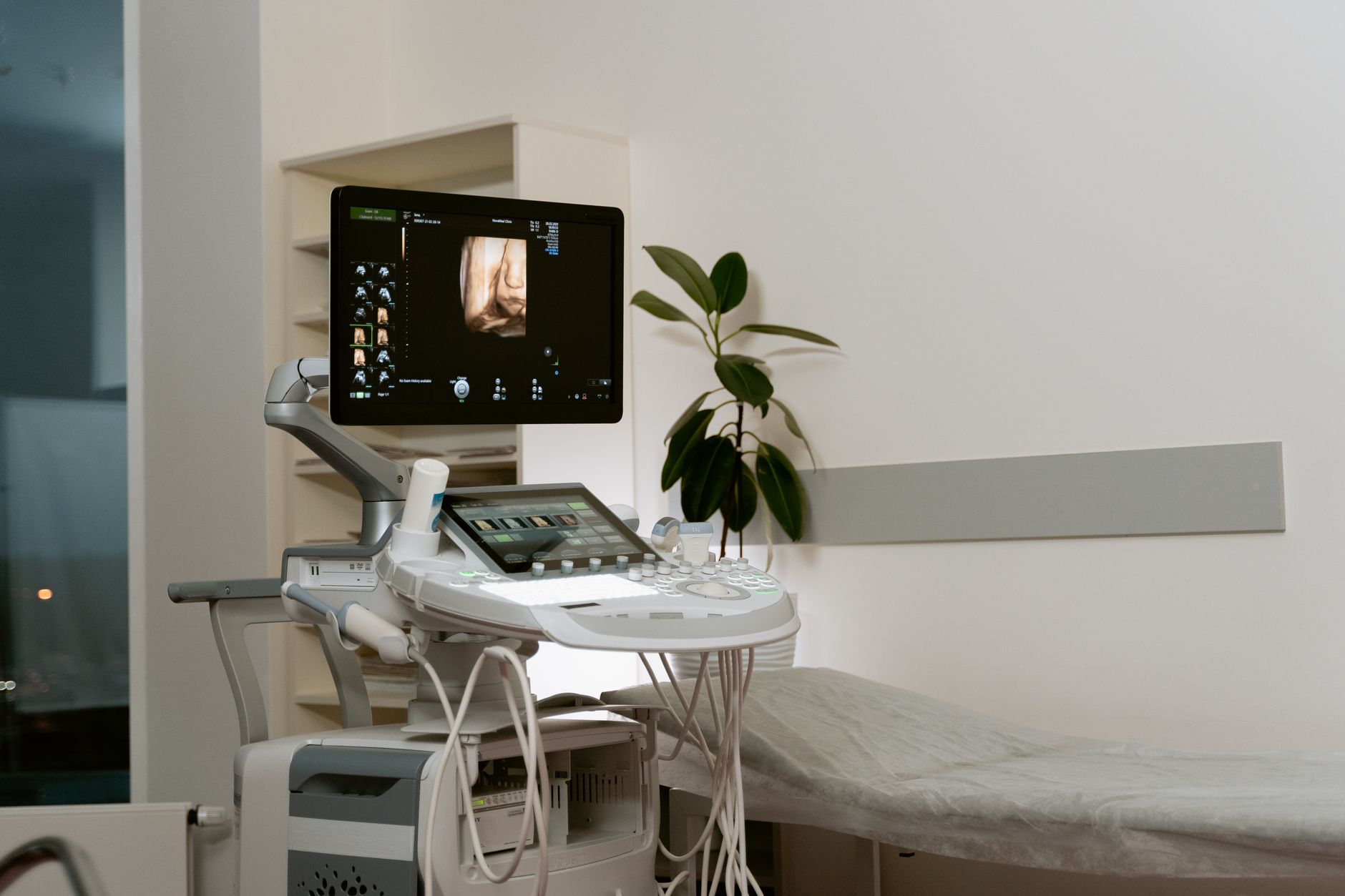
Understanding the Anatomy Ultrasound: A Crucial Milestone in Pregnancy
The anatomy ultrasound, often referred to as a Level 2 ultrasound, is a significant examination performed during pregnancy, typically between the 18th and 22nd week. This detailed scan serves a dual purpose: it allows expectant parents a precious glimpse of their developing baby and, more importantly, enables healthcare providers to meticulously assess the baby's internal organs and physical structures for any potential abnormalities. It's a comprehensive check-up for your little one while still in the womb, providing vital information about their growth and development.
Why is the Anatomy Ultrasound Important?
This scan is more than just a bonding opportunity; it's a critical diagnostic tool. The primary goal is to ensure that the baby's organs, such as the heart, brain, kidneys, and spine, are forming correctly and are in the right place. It helps in detecting a wide range of potential birth defects, including structural abnormalities in the heart, neural tube defects, and issues with the limbs or facial features. Early detection allows for timely intervention and planning, which can significantly improve outcomes for the baby after birth.
What to Expect During the Scan
The anatomy ultrasound is performed by a trained sonographer, who uses a transducer placed on the mother's abdomen. Gel is applied to the skin to ensure clear sound wave transmission. The procedure is generally painless and takes about 30 to 60 minutes. The sonographer will systematically examine various parts of the baby's anatomy, capturing images of the brain, heart, lungs, stomach, intestines, kidneys, bladder, spine, and limbs. They will also measure the baby's head circumference, abdominal circumference, and femur length to assess growth. While the sonographer is focused on capturing clear images and measurements, they may or may not provide a running commentary. It's highly recommended for expectant parents to prepare a list of questions beforehand and to feel comfortable asking them during or after the scan. Some parents also choose to find out the baby's sex during this scan, if they wish.
Key Areas Examined During the Anatomy Ultrasound:
- Fetal Measurements: Head circumference (HC), Biparietal diameter (BPD), Femur length (FL), Abdominal circumference (AC). These help determine if the baby is growing appropriately for its gestational age.
- Brain: The sonographer will examine the ventricles, cerebellum, and look for the presence of the corpus callosum and other structures.
- Face: The lips, nose, and profile are checked for any abnormalities, such as a cleft lip.
- Heart: A detailed assessment of the four chambers of the heart, the major blood vessels (aorta and pulmonary artery), and their connections is performed. The heart rate is also checked; a normal fetal heart rate typically ranges from 120 to 180 beats per minute.
- Lungs: The development and position of the lungs are observed.
- Abdomen: The stomach, intestines, and diaphragm are examined.
- Kidneys and Bladder: The presence and position of the kidneys are confirmed, and the bladder is checked for proper functioning.
- Spine: The spine is evaluated in both a long view and cross-section to ensure it is properly aligned and covered by skin.
- Limbs: The arms, legs, hands, and feet are examined for the correct number of digits and overall structure.
- Placenta: The location and appearance of the placenta are noted.
- Amniotic Fluid: The amount of amniotic fluid surrounding the baby is assessed.
Understanding the Results
The results of the anatomy ultrasound are typically discussed with the expectant parents by their doctor or the healthcare provider who ordered the scan. If any potential concerns are identified, further investigations or consultations with specialists may be recommended. It's important to remember that an ultrasound is a screening tool, and not all findings may indicate a problem. However, being informed allows for the best possible care and preparation for the baby's arrival.
Preparing for Your Anatomy Ultrasound
While no special preparation is usually required, it's advisable to stay hydrated, as a full bladder can sometimes improve the clarity of the images, especially in early pregnancy. Wear comfortable clothing that allows easy access to your abdomen. Most importantly, try to relax and enjoy this unique experience. It's a wonderful opportunity to connect with your baby and witness their incredible development. Remember to bring your list of questions to ensure all your concerns are addressed.
When to Consult a Doctor
The anatomy ultrasound is a routine part of prenatal care. If you have any concerns about your pregnancy, fetal development, or the ultrasound findings, it is crucial to discuss them with your obstetrician or healthcare provider. They are the best resource for interpreting the results and guiding you through the next steps.
This information is intended for general knowledge and informational purposes only, and does not constitute medical advice. It is essential to consult with a qualified healthcare professional for any health concerns or before making any decisions related to your health or treatment.