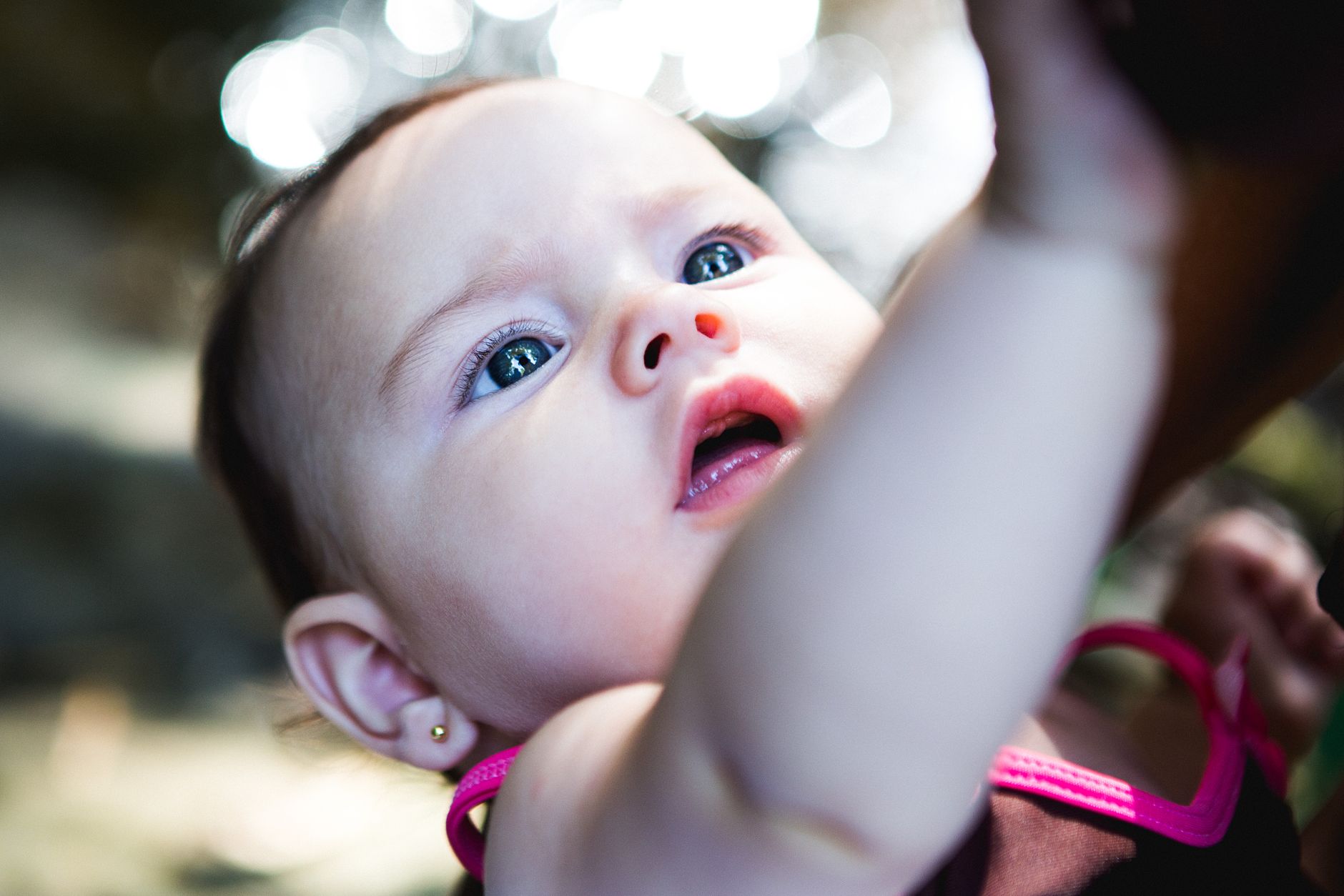
We’ve all seen those adorable little ones with tiny, sparkling earrings adorning their ears. For many Indian families, piercing a baby’s ears holds cultural significance and is a cherished tradition. However, as parents, you’re naturally concerned about the safety and well-being of your little one. When is the right time? What are the risks? And how do you ensure proper healing? This guide aims to provide you with the information you need to make an informed decision about baby ear piercing, keeping your baby’s comfort and health at the forefront.
Understanding the Decision: When to Pierce Your Baby's Ears?
There isn’t a one-size-fits-all answer to when your baby should get their ears pierced. While some parents opt for it shortly after birth, others prefer to wait until their child is a bit older. The American Academy of Pediatrics (AAP) doesn't have a strict age recommendation, acknowledging that piercings can be safe at any age if performed with sterile equipment and techniques. They do suggest, however, that waiting until your child is old enough to participate in and manage the aftercare themselves might be ideal. Some physicians recommend waiting until around 4 months of age, after the baby has received their second tetanus shot. This timing also aligns with a medical perspective that suggests piercings done before age 11 may reduce the risk of developing keloids, which are excessive scar tissues.
Potential Risks Associated with Baby Ear Piercing
While ear piercing is generally considered safe when done correctly, there are a few potential risks to be aware of:
- Infection: This is perhaps the most common concern. Improper sterilization or inadequate aftercare can lead to bacterial or fungal infections. Signs of infection include increased redness, swelling, warmth around the piercing site, and pus discharge.
- Allergic Reactions: Some babies may have sensitive skin or allergies to certain metals used in earrings. Nickel, commonly found in cheaper jewelry, is a frequent culprit. Opting for high-quality, hypoallergenic materials can significantly reduce this risk.
- Keloids: These are raised, thickened scars that can form at the site of a wound. While not exclusive to ear piercings, there's a slightly higher chance of keloid formation, particularly if there's a family history of them. Piercing at a younger age may help mitigate this risk.
- Tearing or Traumatic Injury: Dangling earrings or earrings that get caught on clothing or during play can cause the earlobe to tear. Using simple, secure-fitting earrings is essential to prevent such accidents.
- Choking Hazard: Small, detachable parts of earrings, especially if they become loose, can pose a choking risk for babies who tend to put everything in their mouths.
Choosing the Right Place and Method for Piercing
The safety and success of the piercing heavily depend on where and how it’s done. Here’s what to look for:
- Professional Setting: It’s highly recommended to have the piercing done by a medical professional, such as a doctor or a trained nurse, or an experienced, reputable piercer in a sterile environment. Avoid piercing parlors that primarily cater to adults or those in high-traffic areas like malls or street-side kiosks, as their sterilization practices might not be as rigorous.
- Needle vs. Gun: A sterile, single-use needle is the preferred method. Piercing guns, often used in retail settings, can be difficult to sterilize properly, can cause blunt force trauma to the delicate earlobe, and may lead to improper healing.
- Jewelry Choice: Opt for earrings made of high-quality materials like 14-karat or 18-karat gold (without nickel), surgical stainless steel, or titanium. These are less likely to cause allergic reactions. Simple, flat-back studs or screw-back earrings are the safest choice for babies as they minimize the risk of getting caught or falling out. Avoid dangling or hoop earrings initially.
Essential Aftercare: Ensuring Proper Healing
Once the piercing is done, diligent aftercare is paramount. This is where parents play a critical role in ensuring a smooth healing process and preventing complications.
- Cleaning Routine: Clean the piercing site twice a day (morning and night) and after any potential contamination (like during a diaper change). Use a sterile saline solution or a doctor-recommended antiseptic. Gently clean the area around the piercing with a cotton swab dipped in the solution. Avoid harsh soaps, alcohol, or hydrogen peroxide, as these can irritate the delicate skin and hinder healing.
- Do Not Remove Earrings: For the first 4 to 6 weeks, do not remove or change the earrings. This allows the piercing to heal properly without disruption.
- Keep the Area Dry: After cleaning, gently pat the area dry with a clean cotton swab or a soft cloth. Moisture can encourage bacterial growth.
- Avoid Pressure: Try to prevent the baby from sleeping directly on the pierced ear. If needed, use a special pillow or position them carefully.
- Watch for Signs of Infection: Monitor the piercing site daily for any signs of infection: increased redness, swelling, persistent pain, warmth, or discharge (yellow or green pus).
- Protect from Irritants: Keep lotions, shampoos, and other products away from the piercing site. Ensure that clothing does not snag on the earrings when dressing or undressing the baby.
When to Seek Medical Advice
While most ear piercings heal without major issues, it’s important to know when to consult a healthcare professional. If you notice any of the following, contact your pediatrician or a healthcare provider immediately:
- Signs of infection that do not improve after 2 days of home care.
- A temperature of 100.4°F (38°C) or higher, which could indicate a more serious infection.
- Excessive pain, swelling, or redness that worsens over time.
- Any discharge that is thick, yellow, or green, or has a foul odor.
- The development of a significant lump or bump around the piercing site.
- If the earring becomes embedded in the earlobe or if you suspect the baby has swallowed a part of the earring.
A Real-Life Scenario: What if My Baby's Ear Looks Red?
Imagine you notice one of your baby’s newly pierced ears looking a little redder than usual, and there’s a tiny bit of clear discharge. You’ve been cleaning it twice daily with saline. You decide to continue the saline cleaning, keep it dry, and avoid touching it. You also ensure no shampoo gets near it during bath time. If after two days, the redness and discharge haven't improved or have worsened, you would then call your pediatrician for advice.
Frequently Asked Questions (FAQ)
Q1: Can my baby get a tetanus shot after ear piercing?
Yes, ear piercing does not interfere with your baby’s regular vaccination schedule. In fact, some experts recommend waiting until your baby has had their tetanus shots, typically around 4 months of age, before piercing their ears.
Q2: How long does it take for baby ear piercings to heal?
The initial healing period for earlobe piercings is typically 4 to 6 weeks. However, it can take up to 6 months or even a year for the piercing to fully mature and for the skin to completely heal internally.
Q3: Should I worry about keloids?
Keloids are more common in individuals with a genetic predisposition. If you or your family members have a history of keloids, discuss this with your doctor. While piercings done at a younger age may have a lower risk, it's still something to be mindful of. If a keloid starts to form, seek medical advice promptly.
Q4: What if my baby pulls at their earrings?
This is common. Ensure the earrings are secure (screw-backs are best) and that the baby cannot easily grasp them. If they seem overly bothered or are constantly trying to remove them, it might be a sign to consider waiting or using a different type of earring. Distraction and gentle redirection can help.