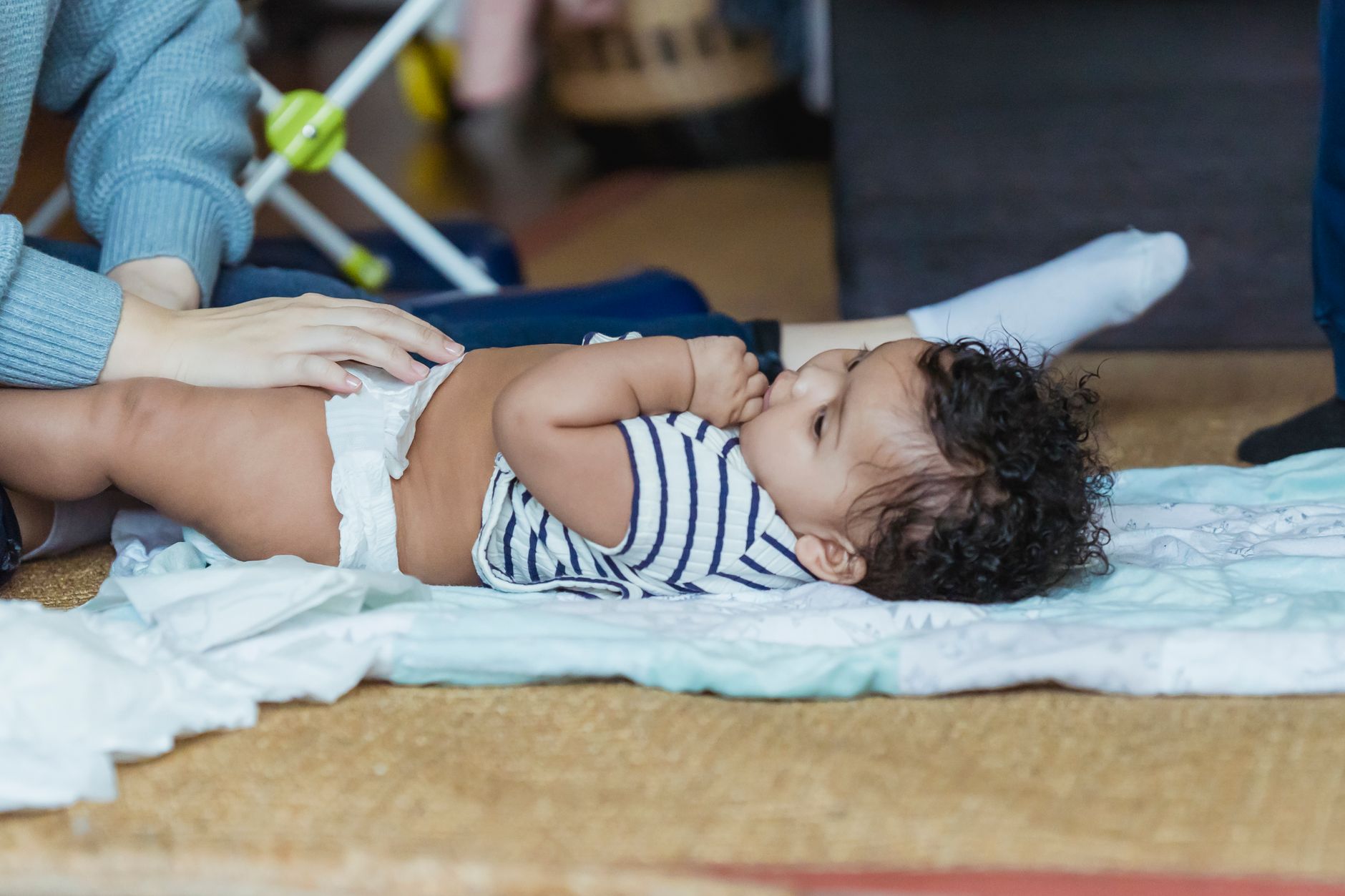
As a parent in India, you're likely eager to see your little one reach those exciting developmental milestones. The first smile, the first giggle, the first solid food – and then, the big one: movement! While crawling is often the image that pops into our minds, many babies have their own unique ways of exploring their world. One such adorable method is scooting. If you notice your baby scooting instead of the classic hands-and-knees crawl, don't fret! This is a perfectly normal and common developmental stage. Let's understand what baby scooting is, why it happens, and what it means for your baby's journey to mobility. From the moment they're born, babies are little explorers, constantly learning and growing. Once they gain the strength to hold their heads up and sit independently, usually around the 6-month mark, they start eyeing the world with a new sense of curiosity. This is when the magic of movement begins. For many parents, the expectation is a traditional crawl – that charming scene of tiny hands and knees propelling the baby forward. However, nature has a wonderfully diverse approach to development. Some babies are happy to experiment with different ways to get around, and scooting is a prime example. What exactly is scooting? Think of it as a baby's creative solution to covering ground. Instead of crawling on all fours, a scooting baby might sit on their bottom and use their arms and legs to push themselves forward. This can look quite varied! Some babies will drag their legs behind them, using their arms like little engines. Others might use a combination of arm pushes and leg wiggles. Some even manage to scoot sideways, moving like a little crab on the beach! And then there's the 'combat crawl' or 'army crawl,' where babies lie on their tummies and pull themselves forward with their arms, their legs trailing behind. Some babies might even discover the art of rolling to get from point A to point B. Every baby is a unique individual, and their method of movement is a reflection of their personality and physical development. Why Do Babies Scoot? There isn't one single reason why a baby might choose to scoot. It's often a combination of factors: Preference: Just like we all have our favourite ways of doing things, babies develop preferences for movement. If scooting feels more efficient or comfortable to them, they'll stick with it! Muscle Development: Scooting requires a different set of muscle strengths compared to crawling. Babies develop muscles in their arms, core, and back through scooting, which are all essential for future mobility. Exploration: The primary goal for a baby is to explore their environment. If scooting gets them to that fascinating toy or the inviting corner of the room faster, they'll use it! Transitional Stage: For many babies, scooting is a stepping stone. They might scoot for a while, building strength and coordination, before transitioning to crawling or even attempting to walk. Individual Pace: Every baby hits milestones at their own pace. Scooting is simply their unique way of navigating the world during this period of exploration. It's fascinating to observe how babies figure things out. You might see your baby get onto their hands and knees, rock back and forth, and then decide, 'Nope, this isn't for me right now!' and plop down to scoot instead. Or they might try to move forward and find themselves inching backward – a common frustration as they learn to coordinate their movements. This backward scooting is a sign they are experimenting and learning, even if it's not the direction they intended! When Do Babies Start Scooting? Most babies begin to show signs of independent movement, including scooting, creeping, or crawling, somewhere between 6 and 12 months of age. This is a broad range, and it's perfectly normal. Some little ones are early movers, while others take their time. The key is that they are showing an interest in moving and exploring. If your baby can sit unassisted, that's a great sign that they're building the core strength necessary for these early movements. Is Scooting a Cause for Concern? Absolutely not! In most cases, scooting is a completely normal variant of early motor development. It's not a sign of a problem or a developmental delay. Think of it as your baby's personal journey towards mobility. Many babies who scoot eventually learn to crawl, and some might even skip crawling altogether and move directly to pulling up to stand and walking. The important thing is that your baby is progressing and showing interest in moving and exploring their surroundings. Types of Scooting The beauty of baby scooting is its variety. Here are some common ways babies scoot: Bottom Scooting: This is perhaps the most common form. Babies sit on their bottoms and use their arms to push themselves forward, backward, or even sideways. Combat Crawling/Army Crawl: Babies lie on their tummies and use their arms to pull themselves forward, with their legs trailing. Rolling: Some babies discover that rolling is an efficient way to get from one place to another. Leg-Assisted Scooting: This might involve using one leg more than the other, or a wiggling motion of the legs while the arms provide propulsion. You might even see a combination of these styles! Your baby's ingenuity in movement is truly remarkable. Babyproofing Your Home: A Must When Mobility Increases Once your baby starts scooting, creeping, or crawling, your home environment needs a safety overhaul. Babies on the move can get into places you never thought possible. It's time to become a 'babyproofing' expert! Key Areas to Focus On: Kitchen: Ensure all cabinets and drawers are secured with childproof latches. This is vital, as the kitchen contains cleaning supplies, sharp objects, and potentially hazardous food items like spices and oils. Keep cleaning products and detergents out of reach, preferably in locked cabinets. Bathroom: This is another high-risk area. Install locks on the toilet lid, medicine cabinets, and under-sink cabinets. Store all medications, toiletries, and cosmetics securely. Even small amounts of certain products can be dangerous if ingested. Electrical Outlets: Cover all unused electrical outlets with safety plugs. Keep electrical cords tidy and out of reach to prevent tripping or chewing. Stairs: If you have stairs, install sturdy safety gates at the top and bottom. Furniture: Secure heavy furniture, like bookshelves and dressers, to the wall to prevent them from tipping over. Cover sharp corners of tables and furniture with protectors. Small Objects: Keep small objects, such as coins, buttons, small toys, and beads, out of your baby's reach. These can be choking hazards. Regularly scan floors and low surfaces for potential dangers. Windows: Ensure windows are fitted with guards or stoppers to prevent them from opening too wide. Keep cords from blinds and curtains out of reach. Doors: Consider door stoppers to prevent little fingers from getting pinched. Remember, your baby's world is about to expand dramatically. Proactive babyproofing can prevent accidents and give you peace of mind. Encouraging Development and Mobility While scooting is normal, you can encourage your baby's overall motor development. The goal isn't to force them to crawl but to provide opportunities for movement and exploration. Tummy Time: Continue offering plenty of supervised tummy time. This builds essential neck, back, and shoulder strength, which benefits all forms of movement. Playmats and Safe Spaces: Create a safe, open space where your baby can move freely. A playmat or a carpeted floor is ideal. Interactive Toys: Place interesting toys a short distance away from your baby to encourage them to reach and move towards them. Supervised Exploration: Let your baby explore different safe surfaces and textures. Positive Reinforcement: Cheer them on! Your encouragement and excitement about their efforts will boost their confidence. You might notice your baby trying to reach for a toy and finding themselves scooting backward. This is a normal part of the learning process. They're figuring out cause and effect and how their body works. A little patience and a lot of encouragement go a long way. When to Consult a Doctor While scooting is typically normal, it's always wise to stay informed and consult your pediatrician if you have any concerns. You should consider speaking with your doctor if: Your baby shows no interest in moving or exploring by around 12 months of age. Your baby consistently favors one side of their body significantly, to the point where it seems like their other side isn't being used at all. Your baby seems to have very poor muscle tone (floppy or stiff). You notice unusual movements or reflexes. Your baby is not meeting other developmental milestones (like sitting independently by 9 months). Your pediatrician can assess your baby's development, provide guidance, and address any specific worries you might have. They are your best resource for ensuring your child is progressing healthily. Frequently Asked Questions (FAQ) Q1: My baby scoots backward. Is this normal? A1: Yes, absolutely! Many babies scoot backward as they learn to coordinate their movements. It's a
In summary, timely diagnosis, evidence-based treatment, and prevention-focused care improve long-term health outcomes.