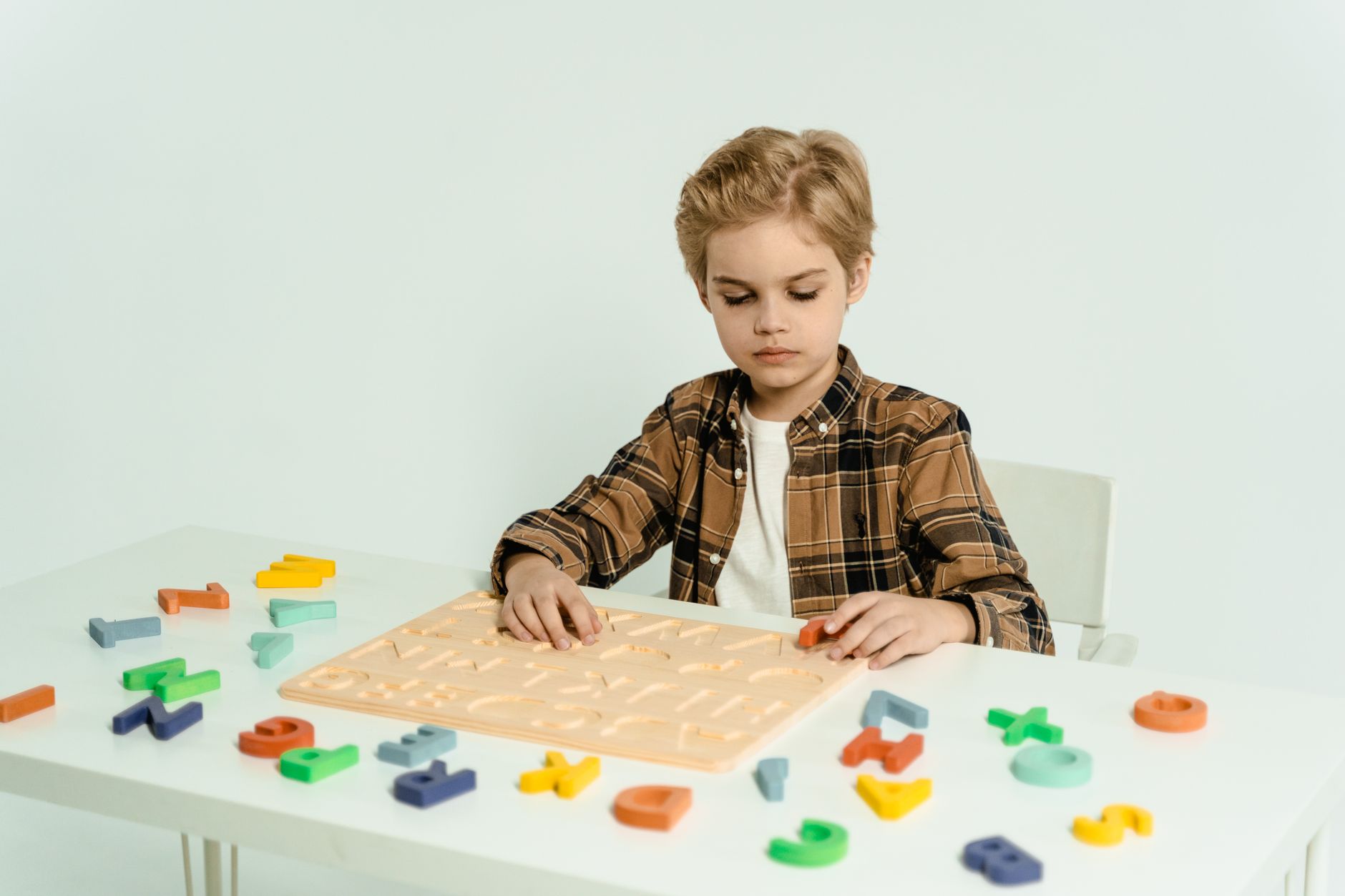
As parents in India, we constantly seek effective ways to nurture our children's growth, instilling good habits and responsible behaviour from an early age. One time-tested method that continues to resonate is the humble behaviour chart. Far from being just a decorative piece, a well-designed behaviour chart can be a powerful tool to motivate, guide, and celebrate your child's progress. This guide delves into the world of behaviour charts, offering practical insights for Indian families on how to create, implement, and make them a positive force in your child's life.
What Exactly is a Behaviour Chart?
At its core, a behaviour chart is a visual aid that helps track and reward desired actions. It involves setting clear goals, creating a chart that displays these goals, and then marking progress with stickers, stars, or other agreed-upon rewards. The magic lies in its simplicity and visual appeal, making abstract concepts like responsibility and good conduct tangible for children.
Think of it as a roadmap for your child, showing them where they are and how far they've come in mastering a new skill or habit. For instance, if your little one, Rohan, is learning to put away his toys, a behaviour chart can visually represent each instance he successfully tidies up his play area.
Why Use Behaviour Charts? The Benefits for Your Child
Behaviour charts offer a multitude of advantages:
- Clear Goal Setting: They help children understand exactly what is expected of them.
- Positive Reinforcement: Rewarding good behaviour encourages its repetition.
- Sense of Accomplishment: Visually seeing progress boosts a child's confidence and self-esteem.
- Developing Responsibility: Charts can help children take ownership of their tasks and actions.
- Improved Communication: They open up a dialogue between parents and children about behaviour and expectations.
- Motivation: Charts can provide that extra push to achieve goals, especially for challenging tasks.
Types of Behaviour Charts: Finding the Right Fit
Not all behaviour charts are created equal. The best chart for your child will depend on their age, personality, and the specific behaviours you're trying to encourage. Here are some popular types:
1. Sticker Charts
Ideal for younger children (ages 3-6), sticker charts are wonderfully simple. You'll need a piece of paper or a pre-made chart and a collection of colourful stickers. When your child performs the desired behaviour, they earn a sticker. These are great for tasks like brushing teeth, using the potty, or being gentle with a sibling.
Example Scenario: Little Anya is learning to eat her meals without making a mess. Her mother creates a simple chart with spaces for stickers. After each meal where Anya eats neatly, she gets to place a sticker on her chart. After collecting five stickers, she gets to choose a special storybook to read before bedtime.
2. Star Charts
Similar to sticker charts, star charts use stars as a visual marker of progress. The star itself isn't the prize but a tally of successful actions. These can be homemade or purchased, often with reusable stars. They work well for tracking frequency, such as the number of times a child completes a chore or gets ready on time.
3. Chore Charts
As children grow older, chore charts become invaluable. These charts list specific responsibilities, like making their bed, helping with dishes, or tidying their room. They foster a sense of contribution to the household and teach valuable life skills.
4. Magnetic Charts
For children aged 4 and above, magnetic charts can be a fun and interactive option. They often come with colourful magnets that can be moved to track progress. These are particularly good for older children who might appreciate a more sophisticated visual system for tracking chores or homework completion.
5. Colour Charts (Clip Charts)
Often seen in classrooms, colour charts use a vertical format where a clip moves up or down to indicate behaviour. Moving up signifies positive actions, while moving down might indicate less desirable ones. You can adapt this at home, assigning different colours to specific behaviours or levels of achievement.
6. Written Charts
For older children and teenagers, a simple written chart or journal can be effective. They can track progress towards larger goals, journal their thoughts, or list daily tasks and accomplishments. This method encourages reflection and self-assessment.
How to Create an Effective Behaviour Chart
Making a behaviour chart work for your child involves more than just drawing boxes. Here’s how to get it right:
1. Identify Clear, Achievable Goals
Be specific. Instead of
What This Means In Daily Life
Most people do not notice early warning signs right away. That is common. A simple symptom diary, basic routine checks, and timely follow-up visits can prevent small problems from becoming serious.
If you are already on treatment, stay consistent with medicines and lifestyle advice. If your symptoms change, do not guess. Check with a qualified doctor and update your plan early.
Simple Action Plan
Write down symptoms, triggers, and timing for a few days.
Carry old prescriptions and test reports to your consultation.
Ask clearly about side effects, red-flag signs, and follow-up dates.
Seek urgent care for severe pain, breathing trouble, bleeding, fainting, or sudden worsening.