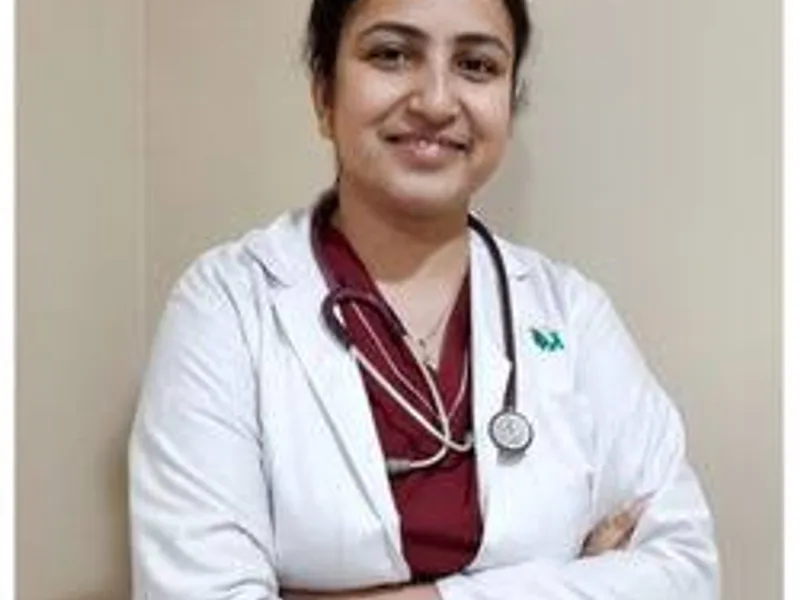
Choosing the Best Pediatric Physician in Jamtara
Securing an appropriate pediatric physician, a medical practitioner specializing in the care of infants, children, and adolescents, in Jamtara represents a crucial step for fostering a youngster's optimal development and well-being. This quest can often seem daunting for families.
Caregivers frequently look for a practitioner who demonstrates both extensive expertise and a compassionate, approachable demeanor. Cultivating a robust rapport with a young patient's primary care provider proves instrumental for effective preventive medicine.
Defining an Exceptional Pediatric Practitioner
The concept of an 'exceptional' pediatric practitioner is inherently subjective; however, several qualities consistently hold paramount importance. These include a clinician's professional proficiency, communication efficacy, and the overall ambiance of their practice.
A dependable physician delivers evidence-based interventions, adhering to established protocols from organizations such as the World Health Organization (WHO) and the Indian Academy of Pediatrics (IAP).
That alone changes everything.
Essential Credentials and Practical Experience
It is advisable to seek clinicians who have completed their MBBS (Bachelor of Medicine, Bachelor of Surgery), followed by an MD (Doctor of Medicine) or DNB (Diplom of National Board) in Pediatrics. Board certification from a recognized institution signifies a superior level of education and training.
Practical experience, particularly concerning prevalent childhood ailments within India, is equally invaluable. For example, an understanding of localized wellness challenges, such as common viral fevers or nutritional deficits, offers a considerable advantage.
Interpersonal Communication and Clinical Demeanor
Frankly, a clinician's capacity to articulate intricate medical data in easily comprehensible terms is of utmost significance. They should actively listen to parental concerns and involve them in therapeutic decision-making.
A warm, accessible disposition helps youngsters feel comfortable, thereby mitigating apprehension during appointments. This approach cultivates trust, serving as a foundational element of impactful pediatric provision.
The numbers don't lie.
Practice Environment and Accessibility
The clinical setting should be immaculate, suitable for younger patients, and adequately equipped. Convenient scheduling and location are also pragmatic considerations for busy households.
The reality is that frequent visits for immunizations or check-ups mean ease of access matters greatly. A conveniently situated practice can significantly streamline appointment management.
Navigating Specialized Care in Jamtara
Jamtara, mirroring many districts across India, exhibits an increasing demand for specialized pediatric services. While specific hospital designations may evolve, the fundamental principles for identifying quality provision remain constant. Often, families rely on personal recommendations and online resources for guidance.
Locating Qualified Pediatric Practitioners
Begin by seeking referrals from trusted acquaintances, relatives, or your general practitioner. Local clinics and nursing homes serve as excellent initial points of contact.
For more intricate conditions, district hospitals or larger private medical facilities may offer dedicated pediatric departments. Credential verification for practitioners is often available through listings on reputable healthcare platforms.
Understanding Different Types of Pediatric Specialists
While a general pediatric physician manages routine care and prevalent illnesses, specialized attention is occasionally necessary. This might involve pediatric cardiologists (heart specialists), neurologists (brain specialists), or neonatologists (newborn specialists). Recognizing when to consult a specialist is a key aspect of optimal care.
prevalent Ailments Affecting Youngsters and When to Seek Assistance
Minors are susceptible to various wellness concerns. Prompt identification of symptoms and timely clinical intervention can avert complications. It is important to acknowledge that India bears a substantial burden of childhood diseases, underscoring the necessity of vigilant parenting.
It sounds simple. It rarely is.
Immunizations: A Cornerstone of Childhood Well-being
Vaccinations represent one of the most impactful public wellness interventions. They safeguard youngsters from severe, potentially life-threatening diseases.
The National Immunization Schedule in India, endorsed by the Ministry of Health and Family Welfare, provides a reliable framework. Ensure your youngster receives all recommended vaccines punctually.
Febrile Conditions and Infections
Fever is a frequent symptom, often indicative of an infection. While typically manageable at home with rest and hydration, a persistently elevated temperature (exceeding 102°F or 39°C), particularly in infants, necessitates immediate clinical assessment. Other indicators to monitor include lethargy, respiratory distress, or a rash.
Respiratory System Challenges
Coughs, frequent colds, and more severe conditions like pneumonia are prevalent. Wheezing or rapid breathing in a youngster signals a potentially serious issue. Early diagnosis and appropriate therapy, guided by WHO standards, are crucial for recovery. For instance, prompt antibiotic administration for bacterial pneumonia can be life-saving.
Gastrointestinal Disturbances
Diarrhea and emesis (vomiting) can lead to dehydration, posing a significant risk for young those affected. Oral rehydration solutions (ORS) are essential.
If your youngster exhibits signs of severe fluid depletion—such as sunken eyes, dry oral mucosa, or reduced urinary output—seek immediate clinical assistance. India records millions of diarrheal disease cases annually, highlighting the need for increased awareness.
Allergies and Asthma
Identifying allergens is critical for powerful management of allergic reactions. Asthma, a chronic respiratory disorder, demands ongoing oversight. Signs include persistent coughing, especially nocturnal, and wheezing. A pediatric physician can assist in formulating a management strategy, frequently involving inhalers.
That alone changes everything.
The Significance of Regular Wellness Check-ups
Routine examinations are not exclusively for illness-related visits. They are vital for monitoring growth and developmental progress.
The Indian Academy of Pediatrics (IAP) recommends a specific schedule for these well-child appointments. These consultations enable your pediatric physician to track milestones, offer anticipatory guidance, and identify potential issues early.
Growth Surveillance
Pediatric physicians use growth charts to track a youngster's stature, mass, and head circumference. Deviations from expected growth patterns can suggest underlying wellness concerns. This data helps make sure your young patient is thriving.
Developmental Milestones Assessment
Are they crawling, ambulating, vocalizing? These developmental benchmarks serve as key indicators of neurological function. Your practitioner can evaluate whether your youngster is achieving these milestones or if further assessment is warranted. This proactive approach is fundamental.
Preventive Interventions and Counseling
These visits also present opportunities for preventive guidance on subjects such as nutrition, safety, and conduct. Many parents, in reality, have inquiries about sleep patterns, feeding practices, or discipline. Your pediatric physician serves as an invaluable informational resource.
It sounds simple. It rarely is.
When to Consider a Second Clinical Opinion
While confidence in your primary pediatric physician is crucial, do not hesitate to seek a second opinion if substantial concerns arise regarding a diagnosis or treatment regimen. This is a typical and professionally accepted practice in medicine.
Consulting another qualified specialist can provide reassurance and help ensure the most appropriate care for your young patient.
Key Information Points
- Qualified pediatric physicians possess specialized training (MBBS, MD/DNB Pediatrics).
- Regular immunizations are vital, adhering to the Indian National Immunization Schedule.
- Recognize key warning signs of widespread childhood ailments, such as fever and respiratory problems.
- Well-child check-ups are crucial for monitoring growth and development.
- India has approximately 77 million people with diabetes (IDF, 2023), underscoring the importance of overall public wellness.
Living with the responsibility for a youngster's well-being is genuinely challenging. Remember, forging a collaborative relationship with a skilled and compassionate pediatric physician is your optimal strategy for navigating their wellness journey. You are not undertaking this endeavor in isolation.
Frequently Asked Questions
Can I administer over-the-counter cold remedies to my youngster?
Generally, it is not advisable to give over-the-counter cold and cough preparations to children under six years of age, as these can induce serious adverse effects. Always consult your pediatric physician before administering any pharmaceutical product.
How often should my youngster see a pediatric physician?
Infants typically require more frequent visits during their first year for well-child check-ups and immunizations. then, annual examinations are standard until adolescence. Your practitioner will recommend a specific schedule based on your young patient's age and clinical status.
That's the part worth remembering.
What indicators suggest a severe infection in an infant?
Indicators of a severe infection in an infant can encompass a high temperature (particularly exceeding 100.4°F or 38°C in neonates under 3 months), listlessness, labored breathing, persistent emesis, refusal to feed, or a worrisome integumentary eruption. Seek immediate clinical attention if these signs are observed.
How can I prepare for my youngster's clinical appointment?
before the appointment, make a note of any questions or concerns you have regarding your young patient's well-being or behavior. Document any new manifestations, alterations in eating or sleeping patterns, or recent illnesses. Bringing this list helps ensure all key topics are addressed with the practitioner.
Always consult a qualified physician before making clinical decisions.