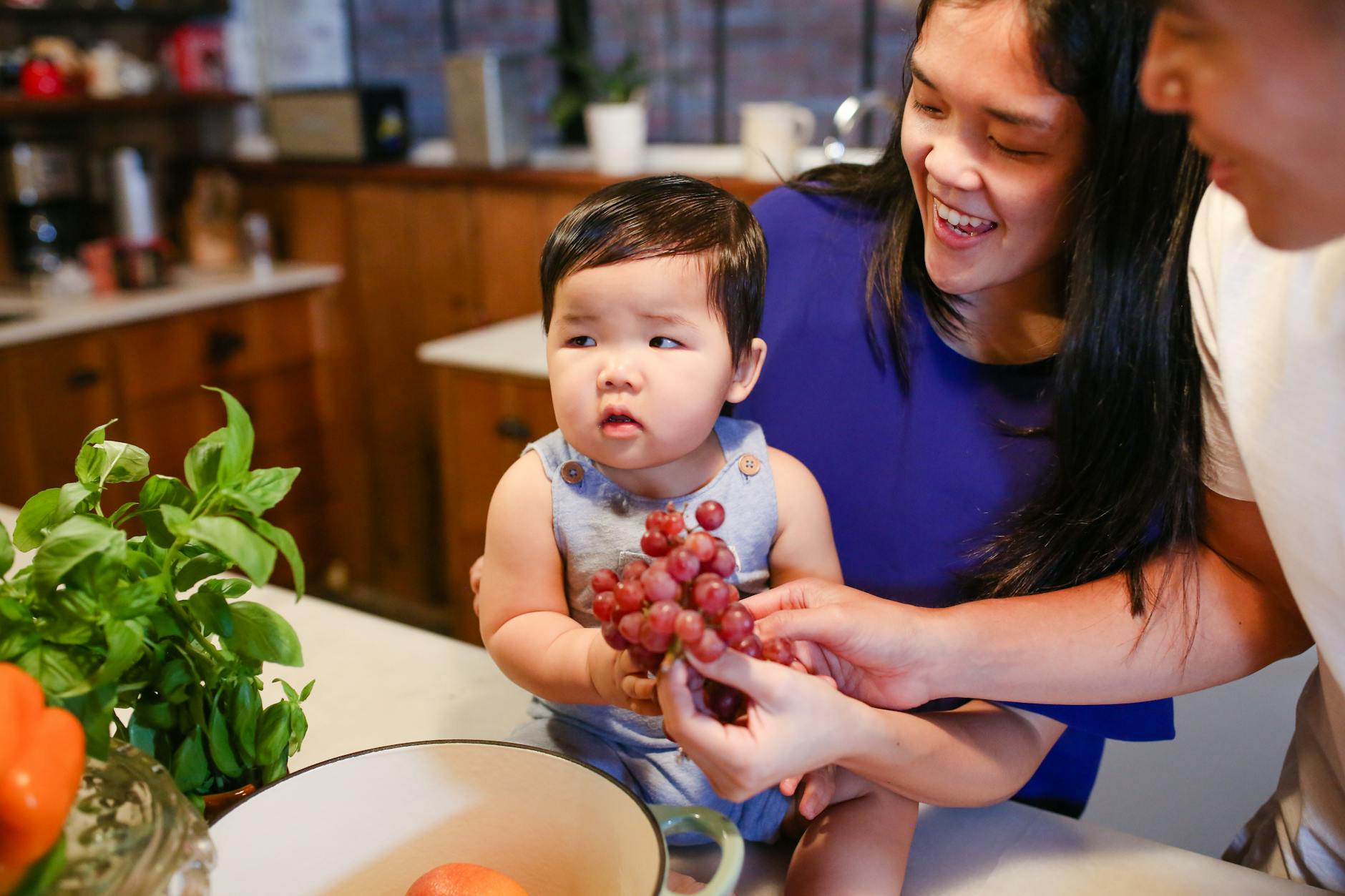
Grapes are a delightful and nutritious fruit, often called 'nature's candy.' They are packed with essential vitamins like C and K, plus beneficial antioxidants. While adults enjoy them easily, parents often wonder, 'When can my baby eat grapes?' This is a common and important question, as ensuring your little one's safety while introducing new foods is paramount. The good news is that with the right preparation, grapes can be a safe and healthy addition to your baby's diet, often as early as 6 months of age.
The American Academy of Pediatrics (AAP) suggests that around 6 months, when babies start exploring solid foods, you can introduce a variety of options, including grapes. However, the key lies in how you prepare them. Grapes, due to their round shape and size, pose a significant choking hazard for infants and young toddlers if not handled correctly. Their smooth skin can also be difficult for some babies to chew.
Understanding these risks is the first step to safely incorporating grapes into your baby's meals. This guide will walk you through the best practices for preparing grapes, from infancy through toddlerhood, ensuring your baby can enjoy this tasty fruit without compromising their safety.
Why Offer Grapes to Your Baby?
Grapes offer several nutritional benefits that can support your baby's growth and development:
- Vitamins: Red grapes, for instance, provide a good amount of Vitamin C. For infants aged 0-6 months, half a cup of red grapes offers about 9 milligrams of Vitamin C, fulfilling approximately 23% of their daily requirement. For babies aged 6-12 months, this amount covers about 18% of their daily Vitamin C needs. Vitamin C is vital for immune function and iron absorption.
- Vitamin K: This vitamin plays a role in blood clotting and bone health.
- Antioxidants: Grapes contain various antioxidants that help protect the body's cells from damage.
- Hydration: Their high water content contributes to your baby's fluid intake.
- Variety: Introducing a variety of fruits helps broaden your baby's palate and encourages healthy eating habits from an early age.
When is the Right Time to Introduce Grapes?
As mentioned, the AAP generally allows for the introduction of solid foods, including grapes (prepared appropriately), around 6 months of age. However, this is a guideline, and your baby's individual development is the most important factor.
Key developmental milestones to consider:
- Sitting Independently: Your baby should be able to sit up with minimal support.
- Good Head and Neck Control: They need to be able to hold their head steady.
- Loss of Tongue-Thrust Reflex: This reflex, which causes babies to push food out of their mouths with their tongue, should have diminished.
- Showing Interest in Food: Your baby should show curiosity towards food and try to reach for it.
Even if your baby meets these milestones, the preparation method is critical for grape safety.
The Choking Hazard: Understanding the Risks
The primary concern with feeding grapes to babies and toddlers is choking. Whole grapes are a perfect size and shape to block a small airway. Unlike some other foods that might be more easily broken down or coughed up, a whole grape can present a serious, immediate danger.
Why are grapes a choking risk?
- Shape and Size: Their roundness makes them likely to seal off the windpipe.
- Slippery Texture: The smooth skin can make them difficult to manage in the mouth, leading to them sliding down too quickly.
- Chewing Difficulty: Some babies, especially younger ones or those with fewer teeth, may struggle to break down the grape skin and flesh effectively.
This is why it is absolutely essential to prepare grapes correctly for your baby.
How to Prepare Grapes Safely for Babies and Toddlers
The way you cut and serve grapes changes as your baby grows and develops their eating skills.
For Babies 6-9 Months (or those without a pincer grasp):
At this stage, babies are still developing their chewing abilities and may not have the fine motor skills to pick up small pieces of food. The focus is on making the grape manageable and easy to swallow, or to be spoon-fed.
- Peel the Grapes: Start by removing the skin. This makes them easier to digest and less slippery.
- Slice into Quarters: Cut each peeled grape into at least four pieces. Ensure the cuts go lengthwise, from stem to blossom end, to create smaller, elongated pieces rather than round halves. This shape is less likely to block the airway.
- Spoon-feeding or Offering Pieces: You can either offer these small pieces on a spoon for your baby to practice self-feeding, or place a few on their high chair tray for them to explore.
- Blending: For very young babies or those still mastering spoon-feeding, you can also blend peeled and quartered grapes into a purée.
For Babies 9-12 Months (or those with a developing pincer grasp):
As your baby develops their pincer grasp (the ability to pick up small items between their thumb and forefinger), they can start feeding themselves. However, safety remains paramount.
- Continue Peeling: Always peel the grapes.
- Quartered Grapes: Continue to serve grapes quartered lengthwise. This is still the safest way to offer them as finger food.
- Supervision: Always supervise your baby closely while they are eating, especially when introducing new textures or foods.
For Toddlers 12 Months and Older:
By this age, many toddlers have better chewing skills and more developed pincer grasps. However, some experts still recommend caution.
- Halve the Grapes Lengthwise: Once your toddler is reliably eating quartered grapes and you feel confident in their chewing ability, you can start slicing the grapes in half lengthwise. Again, ensure the cut goes from stem to bottom.
- Avoid Whole Grapes: Many experts advise against offering whole grapes until at least 2 years of age, and even then, only if the child has demonstrated excellent chewing skills and the grapes are still cut in half lengthwise. Always consult your pediatrician about your child's readiness for larger pieces.
- Consider Texture: Some toddlers might still struggle with the skin. If you notice this, continue peeling or serving smaller pieces.
A Note on Organic Grapes:
Grapes can sometimes be on the list of produce with higher pesticide residues, known as the
Overall, early action and medically verified advice remain the safest approach.