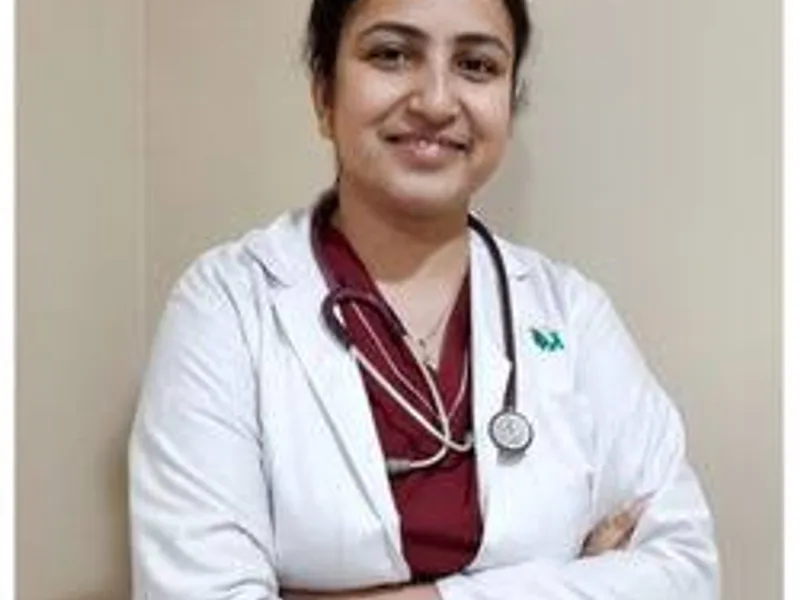
Understanding Fever in Children: When to Seek a Doctor in Araria
Fever is a common concern for parents. A child’s temperature rising is often the first sign that something is amiss. Think about it this way: it’s the body’s natural defense mechanism kicking in. Elevated body temperature signals that the immune system is actively fighting an infection. While usually not a cause for panic, persistent or high fevers in young children require prompt medical attention. The reality is, knowing when and where to find a reliable child fever doctor in Araria can significantly impact your child's well-being.
What Constitutes a Fever?
Generally, a fever is defined as a body temperature of 100.4°F (38°C) or higher. For infants under three months, even a slightly elevated temperature can be serious. Rectal temperature is considered the most accurate for young children. In older children, oral, ear, or forehead thermometers can be used. You'll notice that a fever can fluctuate throughout the day.
usual Causes of Fever in Children
Fever is a symptom, not an illness itself. It often accompanies usual childhood ailments:
- Viral Infections: The prevalent cold, flu, and other viruses are frequent culprits.
- Bacterial Infections: Ear infections, strep throat, and pneumonia can also cause fever.
- Vaccinations: It's normal for a mild fever to appear after immunizations.
- Teething: While often blamed, teething usually causes only a slight temperature increase, if any. High fevers are unlikely due to teething alone.
- Overdressing: Especially in infants, too many layers can cause their body temperature to rise.
But why does this happen? The body raises its temperature to make it harder for viruses and bacteria to survive and multiply. It’s a clever, albeit uncomfortable, biological response.
When to Consult a Child Fever Doctor in Araria
Determining the right time to seek professional medical help is crucial. We often see parents unsure about the severity of their child's fever. The American Academy of Pediatrics (AAP) provides guidelines, and local specialists in Araria adhere to these clinical standards.
Key Indicators for Seeking Medical Advice
- Infants Under 3 Months: Any rectal temperature of 100.4°F (38°C) or higher warrants immediate medical evaluation. Their immune systems are still developing, making them vulnerable.
- High Fever: For children over 3 months, a fever of 102°F (38.9°C) or higher that persists for more than a couple of days should be checked.
- Fever Accompanied by Other Symptoms: Seek care if the fever is accompanied by severe headache, stiff neck, unexplained rash, difficulty breathing, persistent vomiting, or signs of dehydration (like dry mouth or fewer wet diapers).
- Child's Behavior: If your child is unusually lethargic, irritable, inconsolable, or seems very ill, don't hesitate to contact a doctor. Their demeanor is a vital clue.
- Underlying Health Conditions: Children with chronic illnesses or compromised immune systems should be monitored closely, and their physicians contacted sooner.
What's the bottom line here? Trust your parental instincts. If you are worried, it's always best to err on the side of caution and consult a specialist.
The Role of Pediatricians in Araria
Pediatricians are specialists trained to manage the health of infants, children, and adolescents. When you are looking for a child fever doctor in Araria, a pediatrician is your most reliable resource. They possess the expertise to diagnose the underlying cause of the fever, whether it's a simple viral infection or something more serious. They can provide appropriate treatment plans, offer guidance on home care, and reassure worried parents. Many clinics in Araria are equipped to handle pediatric emergencies.
Finding a Reliable Child Fever Doctor in Araria
Choosing the right physician for your child is a significant decision. Several factors contribute to finding a trustworthy specialist in Araria.
Where to Look for Pediatric Care
- Referrals: Ask friends, family, or neighbors in Araria for recommendations. Word-of-mouth is often a reliable source of information.
- Local Clinics and Hospitals: Araria has several healthcare facilities. Research pediatric departments or clinics specializing in child health. Institutions like AIIMS (if applicable regionally or as a benchmark) set high standards for care.
- Online Health Platforms: Websites like Doctar can assist you find verified pediatricians in Araria, view their qualifications, and read patient reviews. This assists in making an informed choice.
- Your General Practitioner: If you have a family doctor, they might be able to recommend a suitable pediatrician.
When you visit a clinic, observe the environment. Is it child-friendly? Are the staff welcoming? These elements contribute to a positive healthcare experience.
What to Expect During a Consultation
When you bring your child to a doctor for a fever, the physician will likely:
- Take a Detailed History: They will ask about the fever's duration, height, and any accompanying indicators.
- Perform a Physical Examination: This includes checking the throat, ears, lungs, and abdomen.
- May Order Tests: Depending on the findings, tests like a throat swab for strep or a blood test might be recommended. These tests aid pinpoint the infection's source.
- Prescribe intervention: This could range from advice on fever reducers and hydration to antibiotics if a bacterial infection is diagnosed.
The goal is always to identify the root cause and provide effective relief. You'll notice that physicians aim for a clear diagnosis and a reliable management plan.
Managing Fever at Home: Supportive Care
While professional medical advice is paramount, certain home care measures can support your child feel more comfortable. These are supportive measures, not replacements for a doctor’s care.
Practical Tips for Parents
- Hydration: Offer plenty of fluids like water, diluted juices, or oral rehydration solutions. Dehydration can worsen indicators.
- Rest: Encourage your child to rest. Their body needs energy to fight the infection.
- Comfortable Clothing: Dress your child in light, breathable clothing. Avoid overdressing, which can trap heat.
- Fever-Reducing Medications: Use over-the-counter medications like paracetamol (acetaminophen) or ibuprofen as directed by your doctor or the product packaging. Never give aspirin to children due to the risk of Reye's syndrome.
- Lukewarm Sponge Baths: These can offer temporary relief but avoid cold baths or alcohol rubs, which can cause shivering and raise body temperature.
Living with a sick child is genuinely hard. Remember to take care of yourself too.
The Importance of Following Medical Advice
Adhering to the therapy plan prescribed by your child fever doctor in Araria is vital. This ensures the infection is adequately treated and prevents complications. If manifestations worsen or don't improve as expected, contact your physician again. Reliable care focuses on complete recovery.
Conclusion: Prioritizing Your Child’s Health
Finding a competent child fever doctor in Araria provides peace of mind. Prompt diagnosis and appropriate care are essential for your child's quick recovery. Trust experienced specialists to guide you through managing your child's health concerns. Remember, early intervention and consistent medical support can make all the difference in ensuring your little one gets back to their playful self swiftly.
Always consult a qualified physician before making medical decisions.
Frequently Asked Questions
Can I give my child adult fever medicine?
No, it is not recommended. Children require specific dosages based on their weight and age. Adult medications can be too strong and potentially harmful. Always use medications specifically formulated for children and follow the dosage instructions carefully.
How often can I give my child paracetamol for fever?
Typically, paracetamol can be given every 4 to 6 hours as needed for fever. However, always refer to the product label or consult your pediatrician for the correct dosage and frequency based on your child's age and weight. Do not exceed the maximum daily dose.
Should I wake my child to give them medicine for fever?
Generally, if your child is sleeping comfortably and doesn't seem distressed by the fever, you may not need to wake them. However, if the fever is high and causing discomfort, or if your doctor has advised it, you can wake them briefly to administer the medication. The goal is comfort and successful fever management.
What are the signs that a fever is serious in a child?
Serious signs include a very high fever (e.g., over 104°F or 40°C), fever accompanied by a stiff neck, severe headache, difficulty breathing, persistent vomiting, unusual drowsiness, or a rash that looks like bruises. If your child exhibits any of these indicators, seek immediate medical attention.
That alone changes everything.