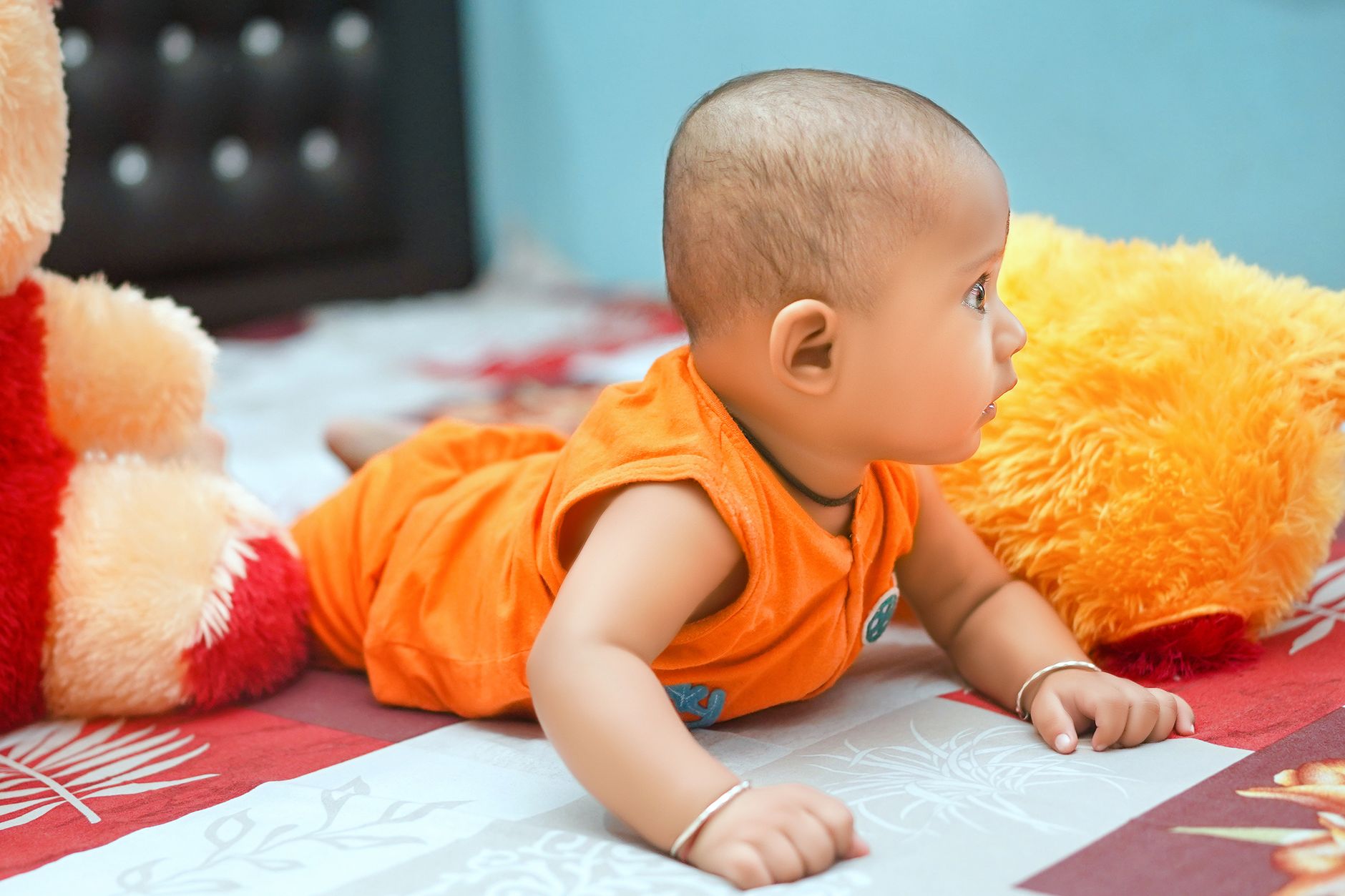
Welcoming a new baby is a joyous occasion, filled with cuddles and precious moments. Amidst the excitement, parents often find themselves navigating a sea of baby products, and choosing the right skincare can feel overwhelming. Baby skin is incredibly delicate, much thinner than adult skin, and can easily lose moisture or become irritated. This makes selecting a gentle, effective lotion a priority for many Indian parents. While many babies don't need lotion at all, if your little one's skin seems dry or sensitive, a good quality baby lotion can provide much-needed comfort and protection. We'll explore what makes a baby lotion suitable, key ingredients to look for (and avoid!), and offer some top recommendations tailored for your baby's needs.
Understanding Your Baby's Delicate Skin
Newborn skin is a marvel of nature, but it's also incredibly sensitive. It's still adjusting to life outside the womb, and you might notice changes like dry patches, peeling, or even a little baby acne in the first few weeks. These are usually normal and temporary. However, if your baby seems uncomfortable, or if the dryness is persistent, it's time to consider a moisturizer. Unlike adult skin, baby skin has a less developed skin barrier, making it more susceptible to environmental irritants and moisture loss. This is why opting for a 'less is more' approach with skincare is generally recommended.
When Does a Baby Need Lotion?
The honest answer is: many babies don't need lotion at all! Regular sponge baths, without harsh soaps, are often sufficient to keep their skin clean and healthy. However, you might consider using lotion if you notice:
- Persistent dry, flaky patches, especially on the cheeks, arms, or legs.
- Skin that looks red or feels rough to the touch.
- Your baby seems bothered by itchy or tight-feeling skin.
A common scenario is when a baby's skin gets dry during the winter months due to the dry air, or after frequent diaper changes if the diaper area becomes irritated. In such cases, a suitable lotion can offer relief.
Key Ingredients to Look For (and Why They Matter)
When you pick up a baby lotion, the ingredient list can look daunting. Here’s a breakdown of beneficial ingredients commonly found in good baby lotions:
- Petrolatum: Often found in ointments, it creates a protective barrier on the skin, helping to lock in moisture and shield it from irritants. Think of it like a temporary shield for your baby's skin.
- Glycerin: A humectant, meaning it draws moisture from the air into the skin, keeping it hydrated and supple.
- Colloidal Oatmeal: This finely ground oatmeal has soothing properties, making it excellent for calming irritated or itchy skin, often associated with conditions like eczema.
- Panthenol (Vitamin B5): Known for its moisturizing and healing properties, it helps to improve skin hydration and suppleness.
- Oat Kernel Oil: Rich in lipids and antioxidants, it helps to nourish and protect the skin barrier.
Ingredients to Avoid for Sensitive Baby Skin
Just as important as knowing what to look for is knowing what to avoid. Harsh ingredients can strip your baby's skin of its natural oils and cause irritation:
- Fragrances: These are a common cause of skin reactions and allergies in babies. Even 'natural' fragrances can be problematic.
- Parabens and Sulfates: These preservatives and detergents can be harsh and drying.
- Alcohol: Can be very drying and irritating to delicate skin.
- Dyes: Added colorants serve no purpose for the baby's skin and can increase the risk of irritation.
Always opt for fragrance-free, hypoallergenic products whenever possible.
When to Apply Baby Lotion
The best time to apply lotion is immediately after your baby's bath. Gently pat their skin dry, leaving it slightly damp. Applying lotion then helps to seal in the moisture from the bath, effectively hydrating the skin and strengthening its natural barrier. However, remember not to bathe your baby solely for the purpose of applying lotion. Young babies don't need daily baths, and when they do bathe, a gentle cleanse with water is often enough.
Top Baby Lotions Recommended for Indian Parents
Navigating the market can be tough. Here are some highly-regarded baby lotions, keeping in mind the need for gentle, effective formulations suitable for sensitive skin:
1. Best for Dry Skin: Aquaphor Baby Healing Ointment
This is a multi-purpose ointment, not strictly a lotion, but its effectiveness for dry, chapped, or irritated skin is unparalleled. It contains 41% petrolatum to create a protective barrier and help skin heal. It's also great for diaper rash and minor cuts. While it can feel a bit heavy, its healing power makes it a staple for many parents.
2. Best for Eczema: Aveeno Baby Eczema Therapy Moisturizing Cream
Formulated with soothing colloidal oatmeal and ceramides, this cream is a go-to for babies prone to eczema. It helps to relieve itching and irritation, and strengthen the skin's natural barrier. It's fragrance-free and gentle enough for daily use.
3. Best Natural Option: California Baby Super Sensitive Cream
For parents seeking a truly natural and gentle product, California Baby is a trusted brand. Their Super Sensitive Cream is free from common irritants and uses plant-based ingredients. It's known for being very mild and effective for extremely sensitive skin.
4. Best for Sensitive Skin: Mustela Hydra Bebe Body Lotion
Mustela is a French brand renowned for its high-quality baby skincare. This lotion is lightweight, absorbs quickly, and provides long-lasting hydration. It's formulated with avocado perseose, a key ingredient that helps protect and strengthen the baby's delicate skin barrier. It's hypoallergenic and tested under dermatological and pediatric control.
5. Best Smelling (Subtle): Johnson’s Bedtime Baby Lotion
While many prefer unscented, some parents enjoy a mild, calming scent. Johnson's Bedtime lotion has a gentle fragrance designed to be soothing. It's formulated to be mild and gentle, but always patch test if your baby has very sensitive skin.
6. Best Unscented: Baby Dove Fragrance-Free Moisture Hypoallergenic Lotion
Dove's baby line offers a fragrance-free option that is hypoallergenic and gentle. It effectively moisturizes without any added perfumes, making it a safe choice for most babies, including those with sensitive skin.
7. Best Organic Option: Earth Mama Sweet Orange Lotion
Earth Mama is committed to organic ingredients and safety. This lotion is dermatologically tested and certified for organic ingredients. The sweet orange scent is subtle and derived from natural essential oils. It's nourishing and effective for dry skin.
8. Best Budget-Friendly: Hello Bello Premium Baby Lotion
Founded by celebrities, Hello Bello offers affordable yet effective baby care products. Their premium lotion is made with plant-derived ingredients and is free from harsh chemicals. It provides good hydration at a reasonable price point, making it accessible for many Indian families.
When to Consult a Doctor
While baby lotions can help with mild dryness, it’s important to know when to seek professional medical advice. Consult your pediatrician if:
- Your baby's skin condition doesn't improve with gentle care and a suitable lotion.
- You notice signs of a severe rash, infection, or persistent eczema.
- Your baby develops hives or allergic reactions.
- You are unsure about the cause of your baby's skin issue.
Your doctor can provide an accurate diagnosis and recommend specific treatments or prescription creams if needed.
Frequently Asked Questions (FAQ)
Q1: Do I need to use baby lotion every day?
Not necessarily. Many babies only need lotion occasionally when their skin feels dry. Observe your baby's skin; if it looks and feels healthy, daily application might not be required. Over-moisturizing can sometimes disrupt the skin's natural balance.
Q2: Can I use my own lotion on my baby?
It's generally not recommended. Adult lotions often contain fragrances, chemicals, and higher concentrations of active ingredients that can be too harsh for a baby's sensitive skin, leading to irritation or allergic reactions.
Q3: What is the difference between baby lotion, cream, and ointment?
The main difference lies in their consistency and water content. Lotions are the lightest and have the most water, making them easy to spread but providing less intense moisture. Creams are thicker than lotions and provide more hydration. Ointments are the thickest, with the least water and highest concentration of occlusive ingredients (like petrolatum), offering the most protection and moisture for very dry or compromised skin.
Q4: How much lotion should I use?
A small amount is usually sufficient. For a full-body application, start with a quarter-sized amount and add more only if needed. Gently massage it into the skin. Remember, more isn't always better.
Q5: Can baby lotion help with cradle cap?
While not a primary treatment, some gentle baby lotions or oils can help soften the scales associated with cradle cap, making them easier to gently brush away after a bath. However, for persistent cradle cap, consulting a doctor is advisable.