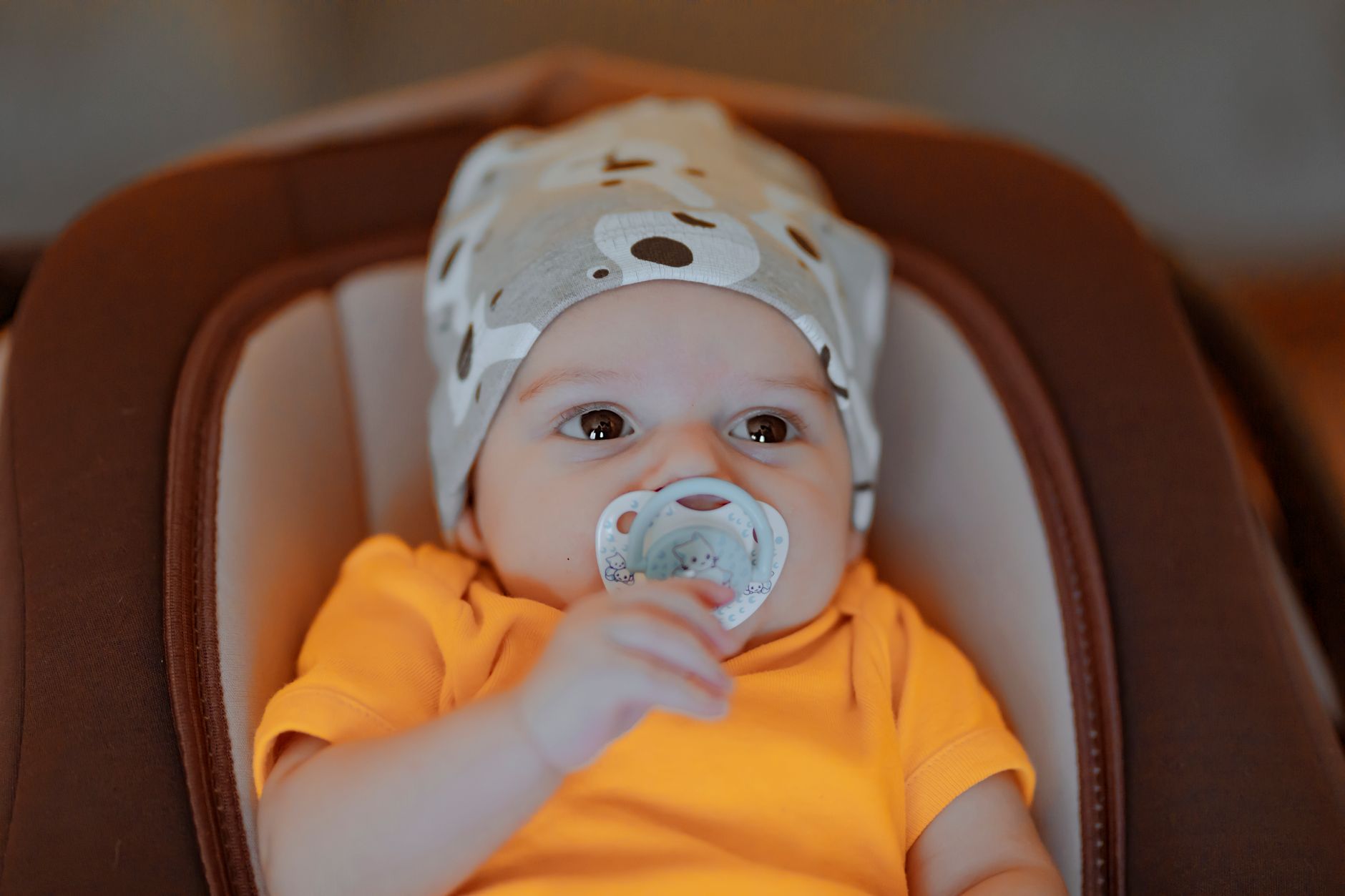
As a new parent, you worry about every little cough, sneeze, or rash your baby develops. When you spot those tiny, painful blisters around your baby's mouth, you might feel a surge of panic. These are cold sores, and while they can be alarming, understanding what they are, how they spread, and when to seek help is key. Let's walk through what you need to know about cold sores in babies, keeping in mind the unique concerns of families in India.
Understanding Cold Sores: More Than Just a Blister
Cold sores, also known as fever blisters or oral herpes, are small, painful blisters that typically appear on or around the lips. They have nothing to do with the common cold, despite the name. Instead, they are caused by the herpes simplex virus (HSV), most commonly HSV-1. This virus is incredibly common worldwide, and many people carry it without ever showing symptoms. For babies, however, even a common virus can sometimes be more serious.
The virus stays in the body lifelong, lying dormant until something triggers it to reactivate. In babies, especially those under six months, their immune systems are still developing, making them more vulnerable to complications.
How Do Babies Get Cold Sores? The Spread Explained
You might be wondering, "How did my little one catch this?" The truth is, the HSV-1 virus spreads very easily. It's primarily transmitted through direct contact with saliva (spit) or skin that has the virus. This means:
- Kissing: A loving peck on the cheek or lips from an infected adult (even one without visible sores) can pass the virus.
- Sharing Utensils: Using the same spoons, cups, or pacifiers can transfer the virus.
- Touching Contaminated Surfaces: Toys or objects that have come into contact with the virus can also be a source.
It's important to know that a person can be contagious even if they don't have an active cold sore. This is why vigilance is so important, especially around vulnerable infants.
Consider this common scenario: A doting relative, perhaps an aunt or uncle visiting from out of town, gives your newborn a big hug and a kiss on the cheek. While their intentions are loving, if they unknowingly carry the HSV-1 virus, they could pass it to your baby. This highlights the need for gentle reminders about hygiene when welcoming visitors.
Recognizing the Signs: Symptoms to Watch For
Cold sores in babies often start with a tingling or itching sensation before the blisters appear. Here are the common signs:
- Small blisters: These usually form in clusters on or around the lips.
- Redness and swelling: The affected area will look inflamed.
- Pain and discomfort: Your baby might be fussy, irritable, and refuse to feed due to the pain.
- Fever: Sometimes, a fever can accompany the sores.
In some cases, especially in younger babies, the virus can cause more widespread symptoms. These require immediate medical attention:
- Lethargy: Your baby seems unusually sleepy or has less energy than normal.
- Irritability: Extreme fussiness that doesn't seem to soothe.
- Difficulty feeding: Refusal to nurse or take a bottle due to mouth pain.
- Dehydration: Fewer wet diapers than usual.
- Swollen gums or mouth sores: More extensive sores inside the mouth.
- Eye irritation: Redness or discharge from the eyes.
- Rash: A widespread rash, especially if it has a blistering appearance.
- Blueish tint to skin or tongue: This is a serious sign indicating lack of oxygen.
When to Seek Urgent Medical Care
While most cold sores in babies will heal on their own, certain situations demand immediate medical intervention. Time is of the essence, especially for newborns and babies under six months old.
Call your doctor immediately or go to the nearest hospital emergency room if your baby:
- Is under 6 months old and shows any signs of a cold sore.
- Appears unusually sleepy or listless.
- Has a fever that concerns you.
- Shows signs of dehydration (fewer wet diapers, dry mouth, sunken eyes).
- Has sores that spread widely in the mouth or on the skin.
- Has any difficulty breathing or a bluish tint to their skin.
- Has any concerning eye symptoms.
Neonatal herpes, contracted during birth from a mother with genital herpes, is particularly dangerous and requires urgent care. If your baby exhibits any of these severe symptoms, do not delay seeking medical help.
Diagnosis: How Doctors Identify Cold Sores
A doctor can usually diagnose a cold sore based on its appearance and your baby's symptoms. They will ask about your baby's history, including any known exposure to someone with cold sores. Sometimes, if the situation is severe or unusual, the doctor might recommend tests:
- Viral swab: A sample from the sore can be tested to confirm the presence of the herpes virus.
- Blood tests: These can help check for antibodies to the virus.
Treatment Options: Helping Your Baby Feel Better
The primary goal of treatment is to relieve discomfort and prevent complications. For most healthy babies over six months with mild symptoms, treatment might focus on supportive care:
- Pain relief: Your doctor might suggest infant-safe pain relievers like paracetamol (acetaminophen) or ibuprofen, given in the correct dosage.
- Hydration: Ensure your baby stays well-hydrated. Offer frequent, smaller feeds. If breastfeeding, continue as usual. For formula-fed babies, offer extra water if they are older than six months and have started solids, or offer formula more frequently.
- Soothing remedies: Cool compresses can offer some relief. Avoid using any ointments or creams unless specifically prescribed by your doctor, as some can be harmful.
In more serious cases, especially for newborns or babies under six months, or those with severe symptoms, antiviral medications may be prescribed. These are usually given orally or intravenously and help the body fight the virus more effectively. Hospitalization might be necessary for close monitoring and treatment.
Preventing the Spread: Protecting Your Little One
Prevention is always better than cure, especially when it comes to a virus as contagious as HSV-1. Here’s how you can protect your baby:
- Practice good hygiene: Wash your hands thoroughly with soap and water before handling your baby, especially after touching your face or mouth.
- Avoid sharing: Never share cups, utensils, pacifiers, or towels with your baby.
- Limit contact with sick individuals: If someone in the household has a cold sore, they should avoid kissing the baby and wash their hands frequently. Consider wearing a mask if you have an active sore and must care for the baby.
- Educate visitors: Gently remind friends and family about the importance of handwashing and avoiding kissing the baby, especially on the face, if they have any signs of illness.
- Keep vaccinations up-to-date: While there isn't a vaccine for HSV, ensuring your baby receives all their recommended childhood vaccinations helps strengthen their overall immune system against various infections.
When to Consult a Doctor: Your Baby's Health Matters
It bears repeating: If your baby is under six months old and develops a cold sore, contact your doctor immediately. For older babies, consult your doctor if:
- The cold sores are severe or widespread.
- Your baby has a high fever or seems unusually unwell.
- Your baby is not drinking enough and shows signs of dehydration.
- The sores do not seem to be healing after a week or two.
- You notice any of the more severe symptoms mentioned earlier.
Trust your parental instincts. If something feels wrong, it's always best to get professional medical advice.
Frequently Asked Questions (FAQ)
Can my baby get chickenpox from a cold sore?
No, cold sores are caused by the herpes simplex virus (HSV), while chickenpox is caused by the varicella-zoster virus. They are different viruses and infections.
How long do cold sores last in babies?
Typically, cold sores in babies last about 7 to 14 days. However, if your baby has severe symptoms or requires medical treatment, the duration might vary. Always follow your doctor's advice.
Is it safe to use home remedies for baby cold sores?
It's generally best to avoid unproven home remedies. Stick to simple, soothing measures like cool compresses and ensure your baby stays hydrated. Always consult your doctor before trying any new treatment, as some remedies can irritate the sores or cause harm.
Will my baby have a lifelong cold sore virus?
Yes, once infected, the herpes simplex virus stays in the body. However, for most children and adults, it remains dormant and may never cause another outbreak. With proper care and a strong immune system, many babies who experience a cold sore will not have frequent recurrences.