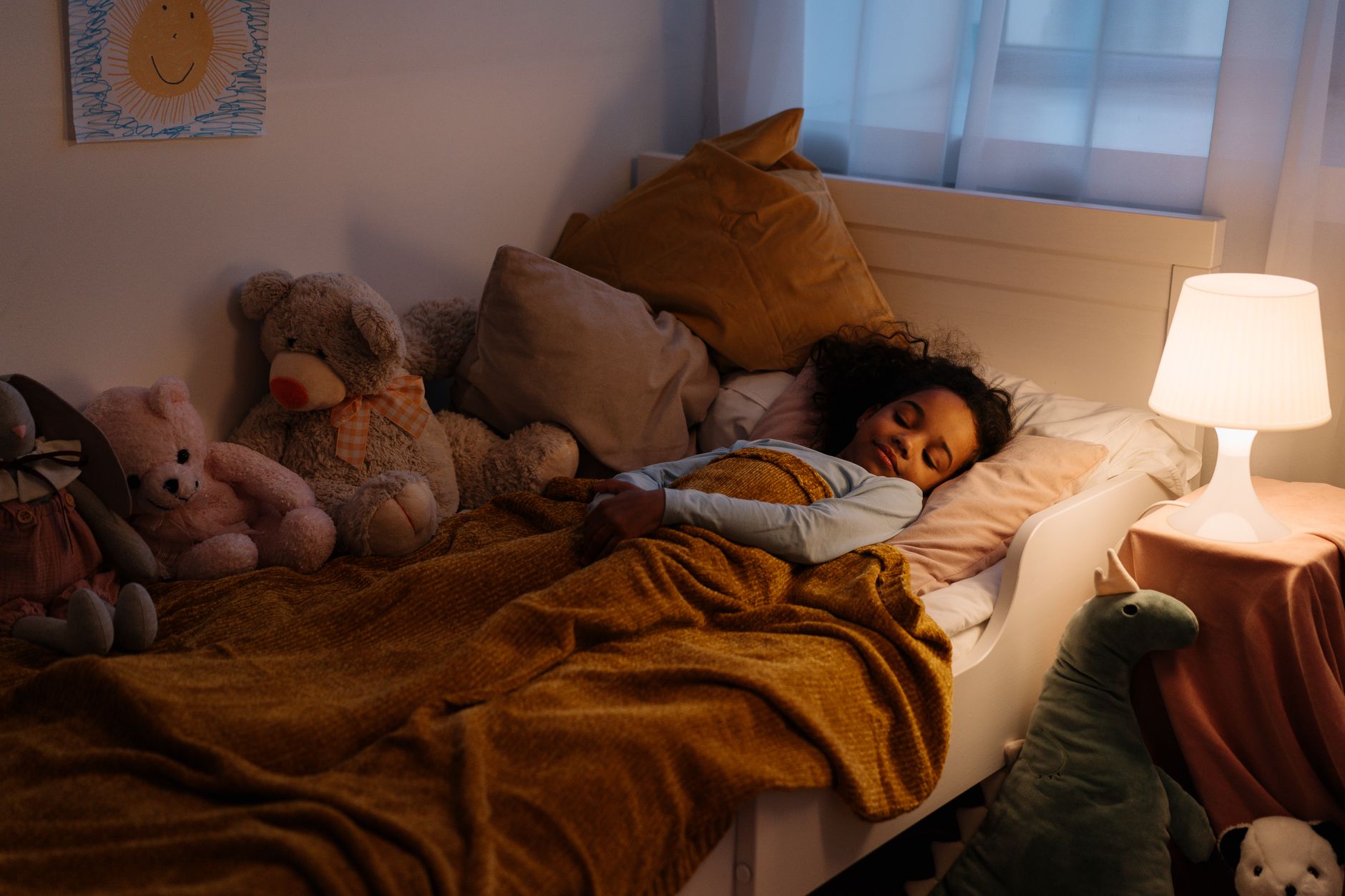
After months of broken sleep, you might be feeling exhausted and desperate for a solution. The sound of your baby crying from their crib can be heart-wrenching, and the thought of another sleepless night can be overwhelming. If you've heard friends or family talk about sleep training, you may have come across the term "controlled crying." It sounds intriguing, but what exactly is it, and is it the right choice for your family? This guide will walk you through the method, its potential benefits, and how to implement it safely and effectively for your little one. Understanding Controlled Crying Controlled crying, also known as graduated extinction or timed checks, is a sleep training method designed to help babies learn to fall asleep independently. Unlike the "cry it out" (CIO) or extinction method, where parents leave the baby to cry until they fall asleep without intervention, controlled crying involves periodic check-ins. The core idea is to allow your baby to cry for short, predetermined intervals before you offer brief comfort, then leave again. The goal is to teach your baby self-soothing skills so they can learn to settle themselves back to sleep when they wake during the night. Controlled Crying vs. Other Methods It's important to distinguish controlled crying from other sleep training approaches: Cry It Out (Extinction): With this method, you put your baby to bed and do not return until morning, regardless of crying. This is a more intense approach and not what controlled crying entails. No-Cry Sleep Training: These methods focus on gentle techniques and parental presence to soothe the baby back to sleep. They aim to avoid crying altogether, which can be a longer process but may appeal to parents who are concerned about their baby crying. Controlled Crying: This method strikes a balance. It acknowledges that some crying may occur, but it’s managed and timed, with the understanding that the baby will eventually learn to settle. The caregiver's role is to provide reassurance at set intervals, not to eliminate crying entirely or to pick the baby up and soothe them to sleep. How to Implement Controlled Crying Consistency and preparation are key when using controlled crying. Here’s a step-by-step approach: Establish a Soothing Bedtime Routine: Before you begin sleep training, ensure your baby has a consistent and calming bedtime routine. This could include a warm bath, reading a story, singing lullabies, and quiet cuddles. This routine signals to your baby that it's time to wind down and prepare for sleep. Ensure All Needs Are Met: Make sure your baby is fed, has a clean diaper, and is dressed comfortably before putting them into their crib. A hungry or uncomfortable baby is unlikely to settle, regardless of the sleep training method used. Put Baby Down Drowsy but Awake: The aim is for your baby to learn to fall asleep in their crib, not in your arms. Place your baby in their crib when they are calm and drowsy, but still awake. Start Timed Checks: When your baby cries after you leave the room, wait for a short, predetermined interval before returning. A common starting point is 2-3 minutes. Offer Brief Comfort: When you return, offer comfort for a minute or so. This might involve patting their back, shushing them gently, or whispering reassuring words. Crucially, try to avoid picking your baby up, rocking them extensively, or feeding them again unless absolutely necessary. The goal is to reassure them, not to help them fall asleep in your arms. Leave Again: After the brief comfort, leave the room again. Increase Intervals: Gradually increase the time between check-ins. For example, after the first 3-minute interval, you might wait 5 minutes for the next check, then 7 minutes, and so on. The specific intervals can be adjusted based on your baby's temperament and your comfort level, but the principle of increasing time remains. Continue Consistently: Repeat this process throughout the night and for naps. Consistency is vital for your baby to understand the pattern and learn to self-soothe. A Real-Life Scenario: Imagine it’s 8 PM, and after a peaceful bath and story, you place your little one in the crib. They fuss for a minute, then cry. You wait exactly 3 minutes, go in, pat their back gently, whisper "Mommy's here, you're safe," and leave. They cry again. You wait 5 minutes this time, offer the same brief reassurance, and leave. This cycle continues, with you gradually increasing the wait times, until they eventually drift off to sleep. This structured approach aims to teach them that you’ll return, but they also need to learn to find their own way back to sleep. When is Controlled Crying Appropriate? Controlled crying is generally considered suitable for babies who are at least 6 months old. By this age, most babies have outgrown the need for night feedings and have developed the cognitive ability to start learning self-soothing skills. It can be used for: Bedtime Naps Middle-of-the-night wakings However, it's not a one-size-fits-all solution. There are specific situations where controlled crying is not recommended: Babies under 6 months old: Their sleep patterns are still developing, and they may genuinely need comfort or feeding. Illness or Teething: If your baby is unwell, teething, or experiencing a developmental leap (like learning to crawl or stand), they may need extra comfort and support. Trying to sleep train during these times can be counterproductive and distressing for both baby and parent. Major Changes: Significant life changes, such as starting daycare, a new sibling, or moving house, can disrupt a baby's sleep. It’s best to wait until things have settled before attempting sleep training. Potential Benefits and What the Research Says While the idea of letting your baby cry can be difficult, research suggests that controlled crying, when implemented correctly, can offer significant benefits: Improved Sleep Duration: Studies indicate that babies who undergo controlled crying sleep longer stretches at night and take less time to fall asleep. Reduced Night Wakings: The method helps babies learn to resettle themselves, leading to fewer disruptions during the night. Enhanced Parental Well-being: For parents, consistent sleep can lead to improved mood, reduced stress, and better overall mental health. A review of studies in 2018 found that parent moods significantly increased after sleep training, with no adverse effects reported over a 5-year period. No Long-Term Attachment Issues: Contrary to some concerns, research, including a 2016 study, has found no evidence of adverse stress responses or long-term attachment problems in babies who have undergone controlled crying. It's important to note that these benefits are often seen when the method is used appropriately and consistently. The research suggests that crying, in this controlled context, can actually activate the parasympathetic nervous system, which aids in rest and digestion, helping babies to eventually calm down and sleep. Is Controlled Crying Right for You? The decision to use controlled crying is deeply personal and depends on your parenting philosophy, your baby's temperament, and your family's circumstances. Some parents feel comfortable with this approach, while others prefer gentler, no-cry methods. It's essential to discuss your concerns with your partner and ensure you are both on the same page. Consider these questions: Are you and your partner in agreement about the method? Does your baby have any underlying health issues or developmental concerns? Are you prepared to be consistent for at least a week or two? How do you feel emotionally about hearing your baby cry, even with timed checks? When to Consult a Doctor While controlled crying is a common sleep training technique, it's always wise to consult with your pediatrician before starting any sleep training program. Your doctor can help rule out any medical reasons for your baby's sleep disturbances, such as reflux, allergies, or other discomforts. They can also offer personalized advice based on your baby's specific needs and development. Seek medical advice if: Your baby is consistently crying excessively, beyond what seems normal for sleep training. You suspect an underlying medical condition is affecting your baby's sleep. You have significant concerns about your baby's health or development. Your baby is under 6 months old. Frequently Asked Questions (FAQ) Q1: Can controlled crying harm my baby's attachment? Research, including a 2016 study, suggests that controlled crying does not lead to long-term attachment issues. The periodic reassurance provided during the method helps maintain a sense of security for the baby. Q2: How long does it take for controlled crying to work? Results vary among babies. Some may start showing improvement within a few days, while for others, it might take one to two weeks of consistent application. Patience and consistency are key. Q3: What if my baby cries for a very long time during the timed checks? If your baby cries inconsolably for extended periods, or if you are deeply concerned, it's okay to deviate from the plan and offer more comfort. It might be a sign that your baby is unwell, teething, or not ready for this method. Reassess the situation and consider consulting your pediatrician. Q4: Can I
In summary, timely diagnosis, evidence-based treatment, and prevention-focused care improve long-term health outcomes.