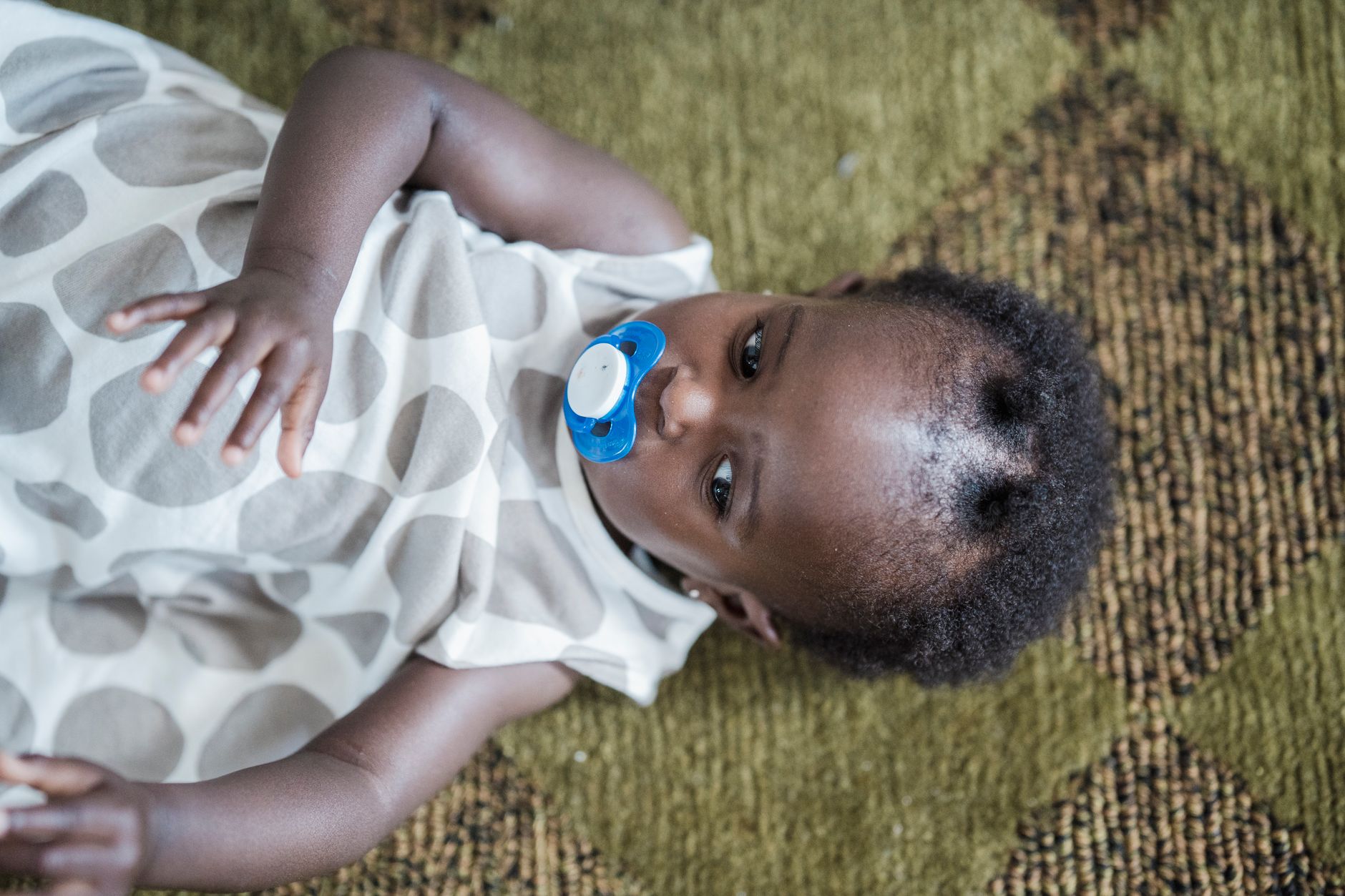
Welcoming a new baby is a whirlwind of emotions and endless wonder. As you marvel at your little one's tiny fingers and toes, you might also find yourself pondering their hair. Will it be dark like yours, or perhaps a lighter shade? Some babies arrive with a full, luscious mane, while others sport a delicate fuzz, or even appear completely bald. It's completely normal! Every baby is unique, and their hair journey is no exception. While nature largely dictates the speed and thickness of your baby's hair growth, there are gentle, practical steps you can take to support healthy development and encourage thicker, fuller locks. This guide offers evidence-based tips and comforting advice for Indian parents navigating the world of baby hair care. It's a common misconception that a baby's initial hair will be their permanent hair color and texture. In reality, many newborns experience a period of hair loss shortly after birth. This is often due to hormonal shifts as their bodies adjust to life outside the womb. The high hormone levels during pregnancy that can promote hair growth in utero decrease significantly after birth, leading to a new hair growth cycle. This transition can cause the initial hair to shed, leaving your baby temporarily bald. Rest assured, this is a typical phase and usually doesn't indicate any underlying health concerns. The hair that regrows is often different in color and texture from the hair they were born with. Understanding Baby Hair Growth Cycles A baby's hair growth is a fascinating process, largely influenced by genetics and hormones. You might notice that your baby's hair growth seems to slow down or even stop for a period. This is because hair grows in cycles: a growing phase (anagen), a transitional phase (catagen), and a resting phase (telogen). Most of the hair on your baby's head is in the growing phase. However, as these cycles progress, some hairs will enter the resting phase and eventually fall out, making way for new growth. While you can't force a baby's hair to grow faster than genetically determined, you can create an optimal environment for healthy growth. Typically, a baby's hair will start to show significant regrowth within the first 6 to 12 months after birth. However, the timeline for a full head of hair can vary widely, with some babies developing a noticeable amount of hair by their first birthday, while others might not achieve a full head until they are toddlers, around 2 to 3 years old. Patience is key, and celebrating each milestone, including those little tufts of hair, is part of the joy of parenthood. Gentle Scalp Care for Healthy Hair The foundation of healthy hair growth begins with a healthy scalp. Gentle care is paramount, especially for a newborn's delicate skin. Avoid harsh chemicals and excessive washing, which can strip the scalp of its natural oils. Washing Your Baby's Hair Once your baby is past the newborn stage (when bathing once a week is often sufficient), aim to wash their hair every 2 to 3 days. Use lukewarm water – never hot – and a mild, tear-free baby shampoo. Gently lather the shampoo and rinse thoroughly. Over-washing can lead to dryness and irritation, potentially hindering hair growth. The Power of Gentle Massage and Brushing Regularly massaging your baby's scalp can be incredibly beneficial. It stimulates blood circulation to the hair follicles, which is essential for healthy growth. After a bath or during a quiet moment, use your fingertips to gently massage your baby's scalp in circular motions for a few minutes. This not only promotes hair growth but also offers a soothing experience for your baby, often helping them relax. Brushing your baby's hair with a soft-bristled brush or a fine-tooth comb can also help. This practice can gently exfoliate the scalp, removing dry skin and potentially helping to loosen cradle cap. Cradle cap, a common condition characterized by flaky, oily patches on a baby's scalp, can sometimes impede hair growth. By gently brushing, you help keep the scalp clean and clear. Exploring Natural Oils for Scalp Health Certain natural oils have been found to be beneficial for scalp health and hair growth. In studies, coconut oil, particularly organic or extra-virgin varieties, has shown promise. It's rich in vitamin E and fatty acids that can nourish the scalp and hair. Coconut oil can help improve blood circulation and reduce hair protein loss, strengthening the hair shaft. How to use coconut oil: Take a small amount of organic or extra-virgin coconut oil. Gently warm it between your palms. Apply a small amount to your baby's scalp, massaging it in gently. Allow the oil to sit for about 20 minutes. You can then gently rinse your baby's scalp with lukewarm water or wash it with a mild baby shampoo. This step is optional, depending on your preference and how oily the hair feels. This routine, performed a few times a week, can moisturize the scalp and potentially help manage cradle cap, creating a more favorable environment for hair to grow. Nourishment from Within: Diet and Hair Growth While external care is important, nutrition plays a vital role in overall health, including hair growth. Once your baby starts solids, usually around 6 months of age, ensure their diet is rich in essential nutrients. Key Nutrients for Hair Health Iron: Essential for carrying oxygen to hair follicles. Sources include iron-fortified cereals, pureed meats, and leafy greens (when appropriate for age). Vitamin A: Supports cell growth and sebum production, which moisturizes the scalp. Found in sweet potatoes, carrots, and spinach. B Vitamins (especially Biotin): Play a role in keratin production, the protein that makes up hair. Found in eggs, whole grains, and lean meats. Vitamin D: Linked to hair follicle cycling. Sunshine is a natural source, and fortified foods can also contribute. Zinc: Important for hair tissue growth and repair. Found in lean meats, beans, and nuts (in appropriate forms for babies). Protein: The building block of hair. Include sources like lentils, yogurt, and small amounts of lean meats. Always consult with your pediatrician before introducing new foods or supplements to your baby's diet. They can provide personalized recommendations based on your baby's age and developmental stage. Addressing Common Concerns: Cradle Cap and Hair Loss Cradle Cap Management As mentioned, cradle cap is common and usually harmless. Gentle brushing and the occasional application of natural oils like coconut oil can help manage it. Avoid picking at the scales, as this can irritate the scalp and potentially lead to infection. If the cradle cap is severe, persistent, or shows signs of infection (redness, swelling, oozing), consult your doctor. When to Seek Professional Advice While most baby hair loss and slow growth are normal, there are instances when you might want to consult a healthcare professional. If your baby experiences significant bald patches that don't seem to be regrowing after a year, or if you notice other concerning symptoms like skin rashes, hair breakage, or failure to thrive, it's wise to speak with your pediatrician. They can rule out any underlying medical conditions, such as fungal infections or nutritional deficiencies, and provide tailored advice. Scenario: Priya noticed that after her baby, Rohan, lost the thin hair he was born with, very little seemed to be growing back even by his 9-month check-up. He had a few sparse tufts on the sides but was mostly bald on top. She worried if this was normal, especially when she saw friends' babies with much fuller hair. Her doctor reassured her that Rohan's growth was within the normal range for many babies and suggested continuing with gentle scalp massages and ensuring a balanced diet as he started solids. The doctor also mentioned that some babies simply take longer to develop a full head of hair, and genetics play a big role. A Note on Baby Hair Products When choosing hair products for your baby, always opt for mild, tear-free, and fragrance-free options specifically designed for infants. Avoid adult shampoos and conditioners, as they can be too harsh for a baby's sensitive scalp and delicate hair. Simplicity is often best. What Not to Do It's tempting to try every trick in the book, but some practices can be counterproductive or even harmful: Avoid harsh chemicals: Stay away from adult hair products, dyes, or styling gels. Don't over-wash: Stick to a sensible washing schedule (every 2-3 days). Be gentle: Never pull or tug at your baby's hair or scalp. Resist tight hairstyles: Avoid hairstyles that pull on the scalp, like tight braids or ponytails, especially as your baby gets older. FAQ for Indian Parents Q1: Is it true that if I cut my baby's hair, it will grow back thicker? A: This is a common myth. Cutting a baby's hair does not change the hair follicle beneath the skin, which determines thickness and growth rate. While the cut ends might appear blunt and thus thicker initially, the actual growth rate and follicle structure remain unchanged. Q2: My baby has very fine hair.
In summary, timely diagnosis, evidence-based treatment, and prevention-focused care improve long-term health outcomes.