Your 1-year-old is a whirlwind of discovery! This exciting age is marked by incredible leaps in development. They're taking those first wobbly steps, starting to babble words, dancing to their own rhythm, and exploring the world with boundless curiosity. It's a thrilling time for both your little one and for you as you witness their growth. The good news is that keeping your curious toddler entertained and engaged doesn't require a hoard of expensive toys or screens. Simple, everyday activities can provide immense fun while significantly supporting their development. This guide offers a variety of activities designed to stimulate their senses, enhance their motor skills, and encourage their cognitive growth.
Why Play is So Important for One-Year-Olds
From the moment they are born, babies use their five senses to understand the world around them. This sensory exploration is fundamental to how they learn, process information, and make sense of their surroundings. Engaging in play allows them to experiment, discover cause and effect, and build crucial connections in their developing brains. Play isn't just about having fun; it's the primary way young children learn and grow.
Creative Play and Exploration
Sensory Bins and Discovery Baskets
Creating a sensory bin or discovery basket is a fantastic way to allow your child to explore new textures and objects in a safe and engaging manner. This type of play is excellent for cognitive development and honing fine motor skills. You don't need special materials; common household items can be perfect.
- Rice or Sand Play: Fill a shallow container with rice or sand. Let your little one use their hands or simple tools to draw shapes or simply feel the grains. The tactile experience is highly appealing and encourages exploration.
- Discovery Basket: Fill a basket with child-safe items you have around the house. Consider a basket of kitchen tools like plastic bowls, spoons, and colanders, or a collection of soft fabrics and safe-to-touch natural items like smooth stones.
Artistic Expression
Encourage your toddler's budding creativity! Even scribbling can be a powerful tool for development.
- Drawing and Scribbling: Provide large crayons or washable markers and plenty of paper. Your child might draw on scraps, or perhaps even your kitchen wall (much to your chagrin!). Engage with their efforts, as coloring helps with focus, self-expression, and developing muscle dexterity in their hands.
- Finger Painting: Use non-toxic, washable finger paints on large sheets of paper. This is a wonderfully messy and sensory-rich activity that allows for direct, tactile exploration of color and texture.
Building and Construction
Blocks are timeless toys for a reason. They help develop spatial reasoning and fine motor skills.
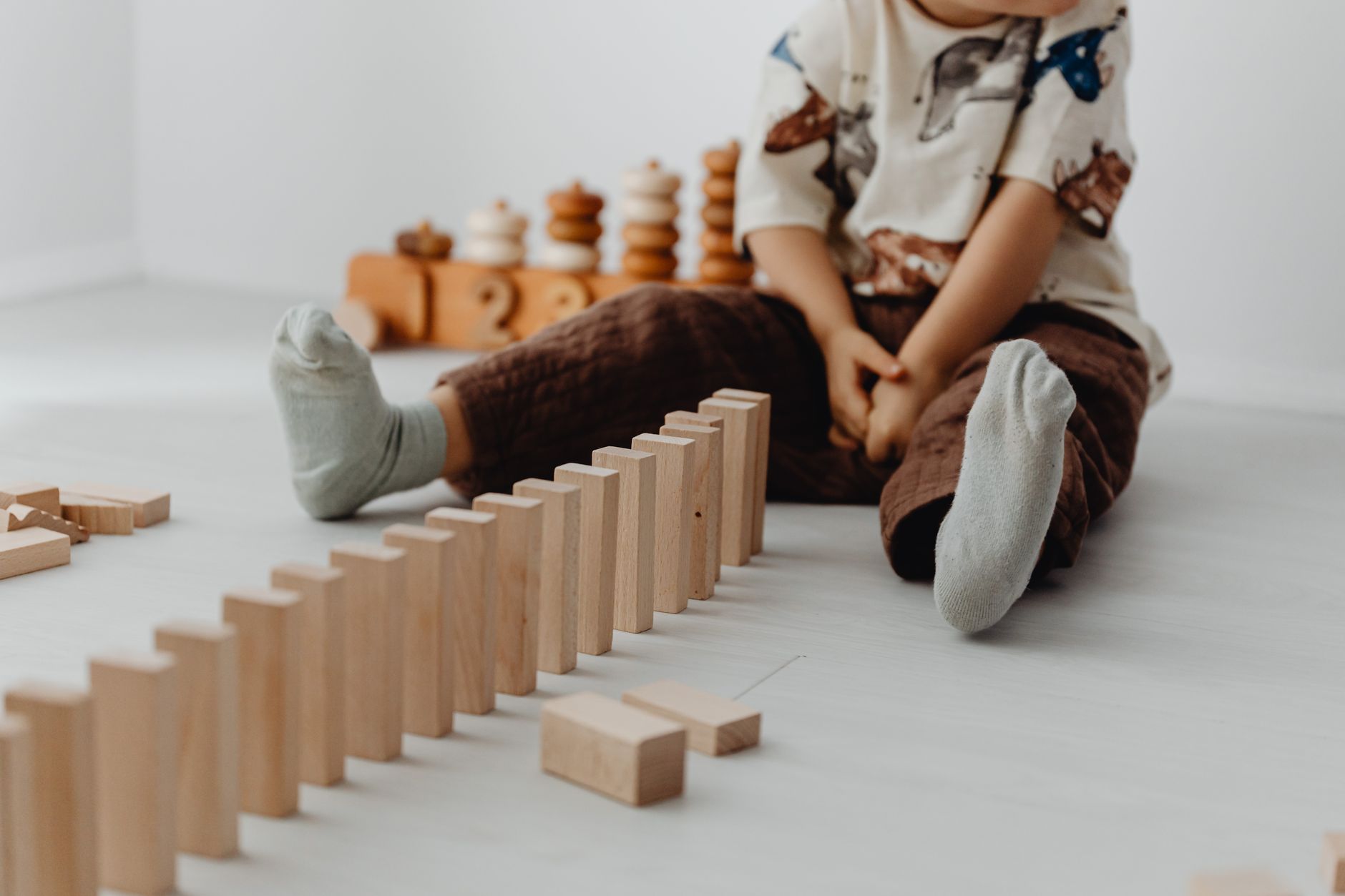
- Block Building: Whether it's simple wooden blocks, large plastic bricks, or even sturdy cardboard boxes, stacking and building helps your child develop fine motor skills and hand-eye coordination. They learn about balance and gravity in a hands-on way.
- Fort Building: Drape blankets over furniture, hang sheets from the ceiling, or use large cardboard boxes to create a cozy play fort. This encourages imaginative play and provides a sense of their own special space.
Developing Motor Skills and Cognitive Abilities
Puzzles and Shape Sorters
Simple puzzles and shape sorters are surprisingly effective tools for cognitive development.
- Simple Puzzles: Look for baby and toddler puzzles with large, chunky pieces. Completing these helps improve motor skills, cognitive reasoning, and teaches the concept of how parts make a whole.
- Shape Sorters: These toys challenge your child to match shapes to corresponding holes, enhancing their problem-solving abilities and spatial awareness.
Busy Boards and Fine Motor Practice
Busy boards are excellent for developing dexterity and encouraging independent exploration.
- Busy Boards: These boards feature various latches, zippers, buckles, buttons, and knobs. They provide a safe way for your child to practice manipulating different mechanisms, which is great for fine motor skills and hand-eye coordination. You can often find pre-made ones or create your own with safe household items.
Stacking and Nesting Toys
These toys help children grasp concepts of size and develop dexterity.
- Stacking Rings and Cups: From traditional stacking rings to nesting cups or even sturdy Tupperware containers, these activities help your child understand concepts like 'big' and 'little' and improve their hand-eye coordination and grasping abilities.
Language and Cognitive Development
Singing, Counting, and Rhymes
Incorporate language and numbers into everyday play.
- Counting Fingers and Toes: Toddlers love to hear things counted. Gently touch each of their fingers and toes while reciting numbers. You can do this with food too, counting spoonfuls of yogurt.
- Nursery Rhymes and Songs: Singing songs and reciting rhymes with actions helps with language development, memory, and rhythm. Make it interactive by encouraging them to clap or point.
Reading Together
Reading aloud to your child is one of the most beneficial activities you can do.
- Board Books: Use sturdy board books with bright pictures and simple text. Point to objects, name them, and encourage your child to interact with the book. This builds vocabulary and a love for reading.
Outdoor and Active Play
Exploring the Outdoors
Fresh air and new environments are stimulating for young children.
- Park Visits: Even a simple visit to a local park can be exciting. Let them feel the grass, watch the birds, or gently swing on a baby swing if available.
- Nature Walks: Take a stroller or carrier for a walk and point out interesting things like leaves, flowers, or passing vehicles. Engage their senses with the sights and sounds of nature.
Simple Movement Games
Encourage gross motor skills through play.
- Dancing: Put on some music and dance together! Let your child move their body freely. This is great for coordination and simply having fun.
- Rolling a Ball: Sit on the floor and gently roll a soft ball back and forth. This simple interaction helps with turn-taking and hand-eye coordination.
A Practical Scenario
Imagine it's a rainy afternoon, and your 13-month-old, Rohan, is becoming restless. Instead of turning on the TV, you decide to set up a sensory bin with cooked, cooled pasta shapes and a few plastic farm animals. Rohan giggles with delight as he squishes the pasta and 'feeds' his little pig. This simple activity keeps him happily occupied for nearly thirty minutes, developing his tactile senses and fine motor skills while you enjoy a quiet cup of tea.
When to Consult a Doctor
While most developmental milestones are reached within a general timeframe, it's always wise to stay informed. If you have significant concerns about your child's development, such as a lack of babbling, not responding to their name, or not attempting to walk by around 18 months, don't hesitate to discuss it with your pediatrician. They can provide guidance and reassurance.
Frequently Asked Questions (FAQs)
Q1: How much 'tummy time' does a 1-year-old need?
By 1 year old, structured tummy time is less critical. Most of their movement happens during active play, crawling, and attempting to walk. Focus on providing ample opportunities for them to move and explore freely throughout the day.
Q2: Are educational apps good for 1-year-olds?
For children under 18-24 months, the American Academy of Pediatrics recommends avoiding screen media other than video-chatting. The benefits of hands-on, interactive play with real-world objects and caregivers far outweigh those of screen time at this age.
Q3: My baby seems to put everything in their mouth. Is this normal?
Yes, mouthing objects is a normal and important part of sensory exploration for babies and young toddlers. Ensure that all toys and objects they interact with are age-appropriate, non-toxic, and free from choking hazards.
What This Means In Daily Life
Most people do not notice early warning signs right away. That is common. A simple symptom diary, basic routine checks, and timely follow-up visits can prevent small problems from becoming serious.
If you are already on treatment, stay consistent with medicines and lifestyle advice. If your symptoms change, do not guess. Check with a qualified doctor and update your plan early.
Simple Action Plan
Write down symptoms, triggers, and timing for a few days.
Carry old prescriptions and test reports to your consultation.
Ask clearly about side effects, red-flag signs, and follow-up dates.
Seek urgent care for severe pain, breathing trouble, bleeding, fainting, or sudden worsening.