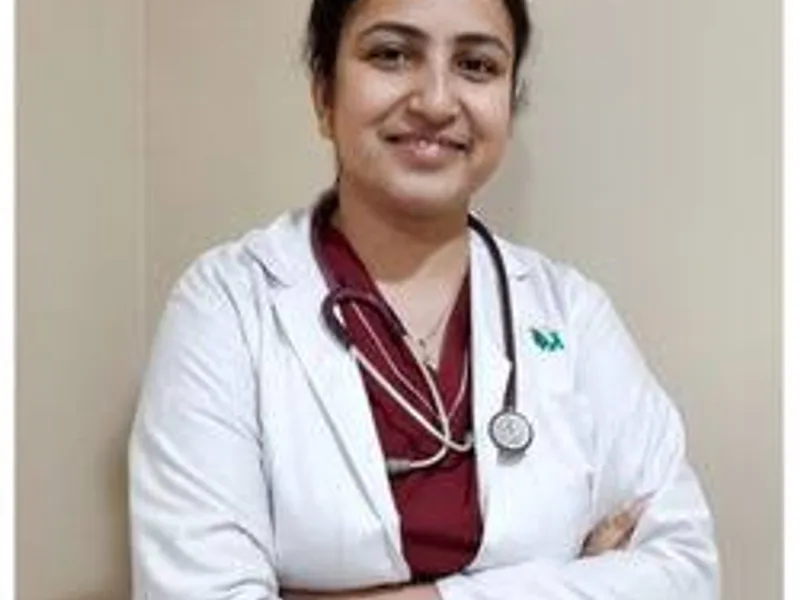
Finding a Kid Specialist Near You in Motihari
Searching for a trusted "kid specialist near me" in Motihari is a vital step for ensuring your child receives the best possible healthcare. When your child is unwell, finding a qualified pediatrician quickly becomes a top priority. This guide will help you navigate the process, understand what to look for, and connect with excellent pediatric care options available in Motihari.
Why Pediatricians Are Crucial
Pediatricians are medical doctors who specialize in the health and medical care of infants, children, and adolescents. Their expertise covers a broad spectrum, from preventive health care (like vaccinations and regular check-ups) to the diagnosis and treatment of acute and chronic diseases. You'll notice that their approach is tailored specifically to the unique developmental stages of children, which differ significantly from adults. Think about it this way: a child's body is constantly growing and changing, requiring specialized knowledge to manage effectively.
When to Seek a Pediatric Specialist
Regular visits to a pediatrician are essential for monitoring your child's growth and development. However, certain situations warrant an immediate consultation with a kid specialist. These include:
- High fever (especially in infants)
- Difficulty breathing
- Persistent vomiting or diarrhea
- Signs of dehydration
- Unexplained rashes or skin changes
- Injuries or accidents
- Developmental delays or concerns
Practically speaking, these indicators signal that professional medical attention is required to prevent complications and ensure a swift recovery. What's the bottom line here? Early intervention often leads to better outcomes.
What to Look For in a Pediatrician
Choosing the right pediatrician involves considering several key factors. Firstly, their qualifications and experience are paramount. Look for board-certified pediatricians who have a proven track record in treating common childhood illnesses and managing chronic conditions. Secondly, consider their communication style. A good doctor will explain medical conditions and management plans clearly, making you feel comfortable asking questions. They should also be empathetic towards both the child and the parents. In many cases, the location and accessibility of the clinic are also important, especially for frequent visits or emergencies. You'll notice that a supportive clinic staff can significantly enhance the patient experience. A pediatrician's philosophy on vaccination and general child-rearing advice (like diet and sleep) should also align with your own beliefs.
Key Qualifications and Experience
Ensure the specialist holds an MBBS degree followed by an MD or DNB in Pediatrics. Additional fellowships or specializations (like neonatology or pediatric cardiology) might be relevant depending on your child's specific needs. Experience in a reputable institution, such as AIIMS or a well-known children's hospital, often indicates a high standard of training.
Communication and Empathy
An effective pediatrician listens attentively to your concerns. They make an effort to build rapport with your child, turning potentially stressful visits into positive experiences. This empathetic approach is vital for long-term trust.
Clinic Facilities and Accessibility
Consider the clinic's proximity to your home or workplace in Motihari. Check if the clinic is well-equipped to handle widespread pediatric emergencies and if appointment scheduling is convenient. Online appointment booking systems can be a significant enable.
Navigating Pediatric Care in Motihari
Motihari offers a growing number of healthcare facilities and specialists dedicated to child health. Many local hospitals and clinics have well-established pediatric departments. You can find specialists who cater to everything from routine check-ups to complex medical issues.
Finding Specialists Online
Online platforms like Doctar are invaluable resources. They allow you to search for "kid specialist near me Motihari," view doctor profiles, read patient reviews, and even book appointments. These platforms often list specialists' qualifications, areas of expertise, and clinic locations, simplifying your search considerably. This digital approach helps streamline the process of finding reliable medical support.
Local Recommendations and Referrals
Don't underestimate the power of word-of-mouth. Ask friends, family, or neighbors in Motihari for recommendations. Your family doctor or general physician can also provide referrals to trusted pediatric specialists. A referral from a trusted source often comes with a higher degree of confidence.
typical Pediatric Health Concerns
Pediatricians manage many kinds of health issues. Some prevalent concerns include:
- Infectious diseases: Colds, flu, ear infections, and chickenpox are frequent.
- Allergies and asthma: Seasonal allergies and respiratory issues are increasingly widespread.
- Gastrointestinal problems: Stomach aches, constipation, and food intolerances require attention.
- Developmental issues: Delays in speech, motor skills, or social interaction.
- Vaccination schedules: Ensuring children are up-to-date with crucial immunizations as per WHO guidelines.
But why does this happen? Factors like environmental changes, lifestyle, and increased awareness contribute to the rise in certain conditions. Living with a child's chronic illness is genuinely hard, and having a supportive specialist makes a world of difference.
The Importance of Vaccinations
Vaccinations are one of the most impactful public health interventions available. They protect your child from serious, potentially life-threatening diseases. Adhering to the vaccination schedule recommended by the Indian Academy of Pediatrics (IAP) and global health bodies like the WHO is crucial for building herd immunity and safeguarding your community. Skipping vaccinations leaves children vulnerable.
Managing Childhood Nutrition
Good nutrition is the bedrock of healthy growth. Pediatricians often guide parents on appropriate diets for different age groups, addressing issues like picky eating, obesity, or malnutrition. Establishing healthy eating habits early on can prevent long-term health problems, much like tending to a sapling ensures a sturdy tree.
Preparing for Your Child's Doctor Visit
To make the most of your appointment, preparation is key. Before you go:
- List your concerns: Write down all the symptoms you've observed, when they started, and their severity.
- Gather medical history: Bring vaccination records, previous medical reports, and a list of any medications your child is taking.
- Prepare questions: Jot down any questions you have for the doctor regarding your child's health, intervention options, or preventive care.
Think about it this way: a well-prepared parent enables a more efficient and proven consultation. You'll notice that clarity during the visit reduces anxiety for everyone involved.
During the Consultation
Be open and honest with the pediatrician. Provide detailed information about your child's health and behavior. Don't hesitate to ask for clarification if you don't be aware of something. The goal is a collaborative approach to your child's well-being.
After the Appointment
Follow the doctor's instructions carefully regarding medication, diet, and follow-up appointments. If you notice any changes or new signs, contact the clinic promptly. Staying in touch ensures continuity of care.
The Role of Doctar in Motihari
Doctar aims to simplify healthcare access for residents of Motihari and across India. Our platform connects you with verified pediatric specialists, making it easier than ever to find the right "kid specialist near me." We provide detailed profiles, user reviews, and seamless appointment booking, ensuring you can make informed decisions about your child's health. We empower parents with the information and tools they need.
Frequently Asked Questions
What are the signs of a serious illness in a child?
Signs of a serious illness can include a very high fever (especially in infants under 3 months), difficulty breathing, lethargy or unresponsiveness, persistent vomiting, severe dehydration (dry mouth, no tears, reduced urination), and stiff neck. Seek immediate medical attention if you observe any of these critical indicators.
How often should my child see a pediatrician for a check-up?
Infants typically require more frequent check-ups – at 1 month, 2 months, 4 months, 6 months, 9 months, 12 months, 15 months, 18 months, 2 years, and annually thereafter. Your pediatrician will advise a schedule based on your child's specific age and health needs.
Can I get advice on my child's diet from a pediatrician?
Absolutely. Pediatricians are an excellent resource for guidance on your child's nutrition, from introducing solids to managing picky eating or ensuring adequate intake of essential nutrients. They can offer personalized dietary recommendations tailored to your child's age and developmental stage.
What is the difference between a pediatrician and a general physician?
A pediatrician is a specialist focused exclusively on the medical care of children from birth through adolescence. A general physician, or family doctor, treats patients of all ages, from infants to the elderly.
The numbers don't lie.
While a GP can handle prevalent childhood ailments, a pediatrician possesses specialized training and expertise in childhood development, diseases, and conditions.
Always consult a qualified physician before making medical decisions.