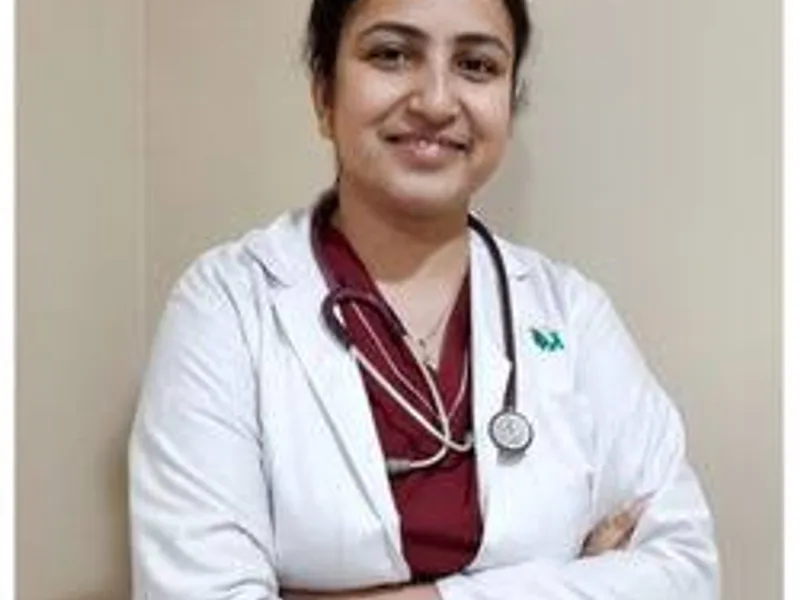
Choosing the Right Pediatrician in Chhapra: Your Essential Checklist
Finding the best child doctor in Chhapra is a vital decision for any parent. Your pediatrician is more than just a healthcare provider; they become a partner in your child's lifelong well-being. This guide will help you navigate the process, ensuring you select a specialist who offers reliable care and a supportive approach. We understand that seeking medical care for your little ones can be stressful. What most people miss: the sheer importance of finding a doctor who connects well with both you and your child.
Why a Specialist Pediatrician Matters
A pediatrician is a medical doctor specifically trained to care for infants, children, and adolescents. Their expertise covers many kinds of health issues, from common childhood illnesses to more complex developmental and chronic conditions. The American Academy of Pediatrics (AAP) recommends regular check-ups with a pediatrician to monitor growth, development, and to provide essential immunizations. These visits are crucial for early detection of potential health problems. The reality is, a good pediatrician builds a strong foundation for your child’s health journey.
Key Qualities of an Excellent Child Doctor
When searching for the best child doctor in Chhapra, several factors are crucial. Look for qualifications, experience, and a compassionate approach. A reliable physician will have the necessary certifications and a proven track record. Think about it this way: You want someone who not only understands the medical complexities but also the emotional needs of a child.
- Qualifications and Credentials: Ensure the doctor is board-certified in pediatrics. This signifies they have met rigorous standards of training and expertise. Check their educational background and any specialized training they may have undertaken. Reputable institutions often list their affiliated physicians.
- Experience: Years of experience in pediatric care are invaluable. A doctor who has treated a wide variety of cases will be better equipped to handle different situations. Ask about their experience with specific age groups or conditions relevant to your child.
- Communication Skills: The ability to explain complex medical information in simple terms is vital. A good doctor listens attentively to your concerns and answers your questions patiently. They should make you feel heard and understood.
- Bedside Manner: This refers to their interaction with children. A doctor who is warm, friendly, and patient can significantly reduce a child's anxiety during visits. Observe how they interact with young patients if possible.
- Availability and Office Staff: Consider the clinic's location, operating hours, and ease of scheduling appointments. A friendly and efficient office staff can make the experience smoother.
Navigating Your Search in Chhapra
Chhapra, like any city, has many healthcare professionals. Finding the right one requires a systematic approach. Here's how you can begin your search:
- Referrals from Friends and Family: Word-of-mouth recommendations are often the most trusted. Ask other parents in Chhapra about their experiences with local pediatricians.
- Consult Your General Physician: If you have a family doctor, they can often provide recommendations for pediatric specialists.
- Hospital Affiliations: Check which hospitals in Chhapra have strong pediatric departments. Doctors affiliated with reputable hospitals (like AIIMS Patna, though not in Chhapra itself, its standards are a benchmark) often meet high clinical standards.
- Online Health Platforms: Websites and apps dedicated to healthcare can provide doctor profiles, patient reviews, and appointment booking. Doctar, India's leading healthcare platform, offers a robust search function for finding specialists in your area.
Questions to Ask Potential Pediatricians
Once you have a shortlist of specialists, prepare some questions. This will assist you assess their suitability for your child's needs. What should you actually do? Prepare a list before your initial consultation.
- What is your approach to preventive care and vaccinations?
- How do you handle prevalent childhood illnesses and emergencies?
- What are your office hours, and how are after-hours emergencies managed?
- Are you affiliated with specific hospitals? Which ones?
- How do you communicate test results and follow-up care plans?
- What are your thoughts on [mention a specific parenting concern, e.g., antibiotic use, breastfeeding]?
So what does that mean for you? It means being prepared and asking the right questions empowers you to make an informed choice.
Understanding prevalent Pediatric Conditions
A good pediatrician will be well-versed in typical childhood ailments. Here are a few examples:
- Fever: A widespread indicator of infection. The approach to managing fever depends on the child's age and the underlying cause.
- Cough and Cold: Viral infections are frequent. Management focuses on supportive care and monitoring for complications like pneumonia.
- Ear Infections (Otitis Media): Often seen in young children. Prompt diagnosis and appropriate therapy are key.
- Allergies: Identifying and managing allergies is crucial for a child's comfort and health.
- Asthma: A chronic respiratory condition requiring ongoing management and education.
The World Health Organization (WHO) provides guidelines on managing many of these conditions, emphasizing evidence-based approaches.
The Importance of Trust and Rapport
Beyond medical expertise, the relationship you build with your child's doctor is paramount. Living with this is genuinely hard, and having a doctor you trust makes a significant difference. Here's the thing — a strong rapport ensures open communication, which is vital for effective care. You should feel comfortable discussing any concerns, no matter how small they may seem.
Think about it this way: your pediatrician is your ally. They are there to guide you through the joys and challenges of raising a healthy child. The Indian Council of Medical Research (ICMR) also emphasizes the importance of strong patient-doctor relationships for better health outcomes.
When to Seek Specialist Care
While a general pediatrician manages most childhood health needs, some situations may require referral to a specialist. These specialists undergo further training in specific areas.
- Cardiologists: For heart conditions.
- Neurologists: For brain and nervous system disorders.
- Gastroenterologists: For digestive issues.
- Endocrinologists: For hormonal and growth disorders.
- Dermatologists: For skin conditions.
Your primary pediatrician will guide you on when such referrals are necessary, ensuring you receive the most appropriate and advanced care. The Lancet often publishes research highlighting the benefits of specialized pediatric care for complex cases.
Preparing for Your Child’s First Visit
Your child’s first visit to a new pediatrician is an opportunity to establish this crucial relationship. Bring your child’s complete medical history, including vaccination records and any previous diagnoses or treatments. Write down any questions or concerns you have beforehand. This preparation ensures a productive first meeting. Remember, a proactive approach strengthens your child’s health foundation.
We often see parents who feel overwhelmed by the choices. Taking it step-by-step, focusing on the key qualities, and asking pertinent questions will lead you to the right specialist. Your commitment to finding the best care is a testament to your love for your child. Embrace this process with confidence, knowing you are making a vital investment in their future health and happiness. Finding a skilled and compassionate child doctor in Chhapra is achievable with the right strategy.
Always consult a qualified physician before making medical decisions.
Frequently Asked Questions
Can I give my baby honey before they turn one year old?
No, you should not give honey to infants under 12 months old. Honey can contain spores of Clostridium botulinum bacteria, which can cause infant botulism, a serious illness. This is a crucial safety guideline emphasized by health organizations worldwide.
How often should my child visit the dentist?
The first dental visit should ideally occur by your child's first birthday or within six months of their first tooth erupting. After that, regular check-ups, typically every six months, are recommended by dental associations like the Indian Dental Association (IDA) to monitor oral health and prevent cavities.
What are the signs of dehydration in children?
Signs of dehydration include decreased urination (fewer wet diapers than usual), dry mouth and tongue, crying without tears, and lethargy. Severe dehydration can be a medical emergency, so prompt attention is vital. Ensure your child stays well-hydrated, especially during hot weather or illness.
When should my child start solid foods?
Most babies are ready for solid foods around six months of age, showing signs of readiness like good head control and interest in food. It’s important to introduce a variety of single-ingredient purees first, observing for any allergic reactions. Always consult your pediatrician before starting solids.
And yet, so many people miss it.