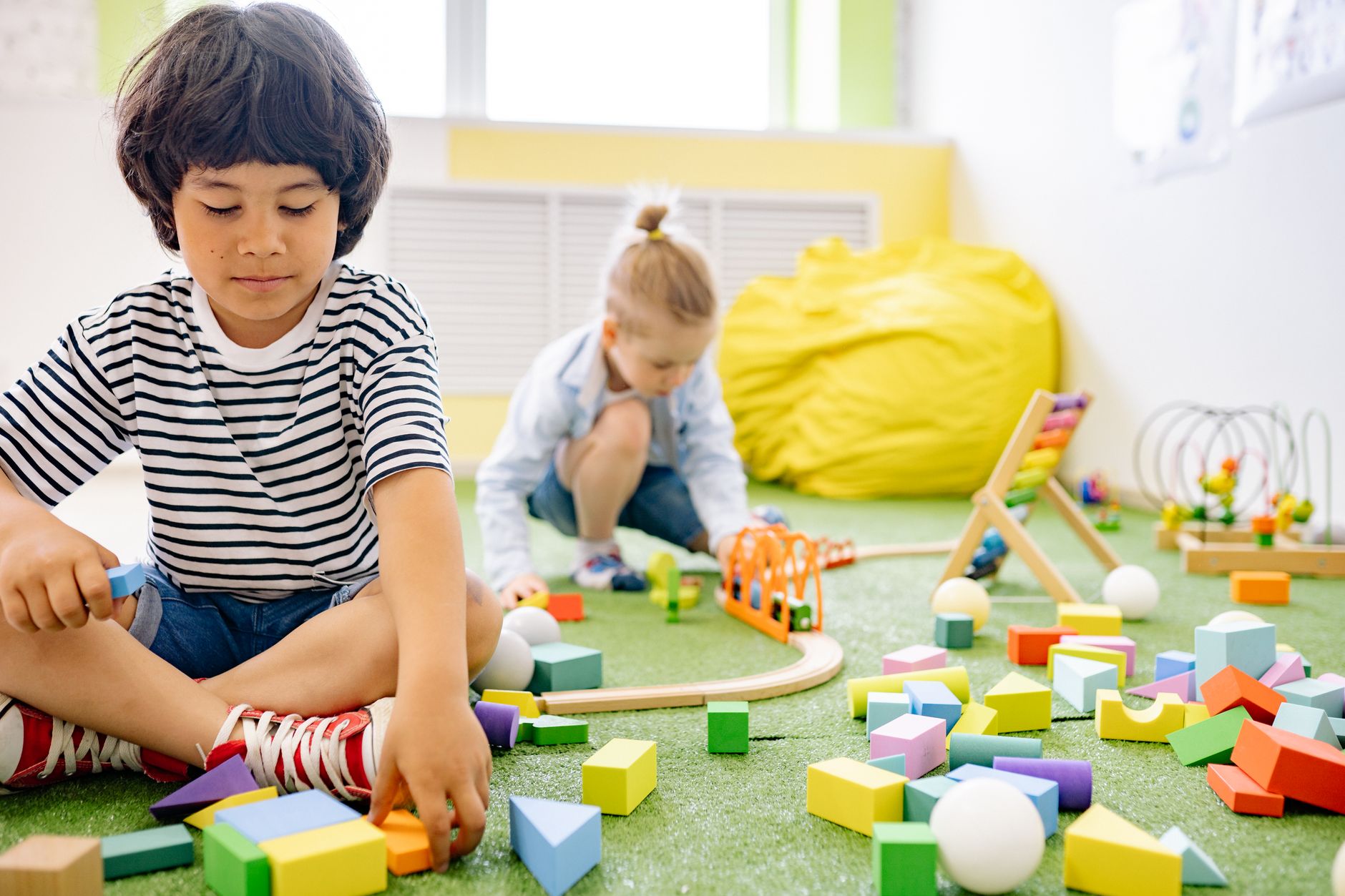
Play is a fundamental part of childhood, and for children on the autism spectrum, it offers a unique gateway to development. Toys aren't just for amusement; for autistic children, they can be powerful tools for sensory exploration, communication, and social skill development. While many toys can be beneficial, some are particularly well-suited to provide the specific types of engagement that support autistic children. Let's explore some of the best options that foster learning, creativity, and joy.
Why Toys Matter for Autistic Children
For children on the autism spectrum, play provides essential sensory input – that's how they engage with their senses like sight, sound, smell, and touch. This also includes their sense of balance and body awareness. Beyond sensory experiences, play offers a chance for autistic children to connect with others, practice motor skills, and gain a deeper understanding of the world around them. It's a vital part of their learning and growth journey.
You might find yourself overwhelmed by the sheer number of toys marketed specifically for autistic children. However, it's important to remember that many common toys can also be incredibly beneficial. As Dr. Paige Siper, PhD, chief psychologist at the Seaver Autism Center for Research and Treatment at Mount Sinai, points out, simple items like Play-Doh, kinetic sand, or even stickers can be excellent for children on the spectrum. The key is to choose toys that offer the right kind of stimulation and engagement.
Top Toy Categories and Recommendations
Sensory Play Masters
Sensory toys are designed to engage a child's senses in a controlled and enjoyable way. This can help children who are over- or under-sensitive to certain stimuli to regulate their responses and find comfort. They can also provide a rich learning experience.
- Fat Brain Toys Teeter Popper: This toy is a hit for a reason. Its simple rocking motion and satisfying suction cup noises provide great sensory input. Parents report that children who previously preferred lying on the floor now love interacting with this toy, working their muscles while being stimulated. It's fantastic for developing gross motor skills and body awareness.
- Neliblu Wacky Tracks Snap and Click Fidget Toys: These chains are designed to move and lock into various positions, offering a satisfying clicking sound. They are small, portable, and provide excellent tactile and auditory feedback. A pack of four offers plenty of opportunities for quiet fidgeting or collaborative play.
- Fat Brain Toys Squigz: Made from silicone, these pieces connect via suction cups, offering a unique tactile experience. Their bright colors and bendy shapes encourage creativity. Children can build anything they imagine, or simply enjoy the popping sound as the pieces pull apart. This helps with fine motor skills and imaginative play.
Building and Construction Fun
Building toys help develop fine motor skills, spatial reasoning, and problem-solving abilities. They also offer a sense of accomplishment as children see their creations come to life.
- Picasso Tiles Magnetic Race Car Track: While magnetic tiles are popular for all kids, a race car track adds an extra layer of engagement. Children can design and build their own tracks, then watch cars zoom through. This fosters creativity, planning, and an understanding of cause and effect.
- Geomag MagiCube Stacking Cube Set: These magnetic cubes are simple yet versatile. They allow children to stack, connect, and build in three dimensions. The magnetic connection makes building easier and more intuitive, promoting an understanding of magnetic forces and spatial relationships.
Learning Through Play
Educational toys can make learning new concepts fun and accessible. They can help with everything from vocabulary and spelling to social skills.
- Melissa & Doug See and Spell Learning Toy: This classic toy includes letter pieces and word puzzles. It helps children build vocabulary, practice spelling, and develop fine motor skills as they manipulate the wooden letters to match the shapes and spell out words. It's a great way to introduce early literacy concepts.
- BMAG Counting Bears with Matching Sorting Cups: This colorful set comes with bears of different sizes, sorting cups, tweezers, and cards. It's perfect for teaching counting, sorting, color recognition, and fine motor skills. Children can play independently or work with others, promoting teamwork and social interaction.
Cause and Effect Exploration
Toys that demonstrate cause and effect help children understand how their actions lead to specific outcomes, which is a foundational concept for learning.
- Fat Brain Klickity: This toy is designed to provide immediate visual and auditory feedback when a child interacts with it. Pressing the buttons causes colorful balls to move, demonstrating a clear cause-and-effect relationship in an engaging way.
- Polkrane Busy Board: Busy boards are fantastic for providing a variety of tactile experiences and activities. They often include zippers, buttons, laces, and gears, allowing children to practice fine motor skills and learn about cause and effect as they manipulate different elements.
- Fat Brain Toys Dimpl: This simple yet captivating toy features buttons that can be pushed in and popped out. It's incredibly satisfying for sensory exploration and clearly demonstrates cause and effect. It's also great for developing finger dexterity.
Musical and Auditory Stimulation
Music and sound can be very soothing and stimulating for children. These toys offer enjoyable auditory experiences.
- Edushape Rainbomaker: This musical rainmaker stick is designed to create the soothing sound of rain as beads cascade down. It's perfect for younger children and provides a calming auditory sensory experience.
Water Play Adventures
Water play is a wonderful sensory experience that can be both calming and exciting.
- Step2 Rain Showers Water Table: Water tables offer a contained environment for exploring water. This particular model provides various activities, encouraging scooping, pouring, and imaginative play. It’s a great way to engage with tactile sensory input and develop motor skills.
- Yookidoo Bath STEM Set: Turning bath time into a learning opportunity, this set uses water to demonstrate STEM concepts. It can make bath time more engaging and help children explore cause and effect in a fun, familiar setting.
Communication Support
For children who are nonverbal or have communication challenges, toys that facilitate expression are invaluable.
- Lucas the Lion Loves the Tiny Talker: This innovative toy is designed to help nonverbal children communicate. It allows them to record and play back sounds or words, providing a bridge for expression and interaction. It can be a significant tool for building confidence and reducing frustration.
When to Choose Specific Toys
When selecting toys, consider the child's individual interests, sensory needs, and developmental stage. A child who is highly sensitive to sound might benefit more from tactile toys, while a child who enjoys visual stimulation might gravitate towards colorful building sets. Always observe how the child interacts with a toy and adjust your choices accordingly.
For instance, imagine a parent looking for a birthday gift for their 6-year-old son, who is autistic and often struggles to stay engaged with toys for more than a few minutes. The parent notices he loves anything that makes noise and enjoys repetitive actions. A toy like the Neliblu Wacky Tracks or the Fat Brain Toys Teeter Popper might be a perfect fit, offering sustained engagement through satisfying sounds and movements.
Tips for Using Toys to Support Development
- Follow the child's lead: Let the child explore the toy in their own way. Your role is to facilitate, not direct.
- Incorporate language: Narrate what the child is doing or what the toy does. Use simple, clear language.
- Encourage interaction: If appropriate, play alongside the child. This can model social skills and turn-taking.
- Adapt and modify: If a toy is too challenging, simplify the activity. If it's not engaging enough, add new elements or challenges.
Frequently Asked Questions
Are there specific types of toys that are always good for autistic children?
While there's no one-size-fits-all answer, toys that provide rich sensory input (like textured items, calming sounds, or gentle movements), opportunities for repetitive actions, and clear cause-and-effect demonstrations are often very beneficial. Building toys and simple puzzles are also excellent for developing motor skills and cognitive abilities.
How can toys help with social skills?
Toys that encourage shared play, like board games or building sets, can help children learn about turn-taking, cooperation, and communication. Role-playing toys can also help children practice social scenarios in a safe environment.
My child is nonverbal. What kinds of toys can help them communicate?
Toys like the Lucas the Lion Loves the Tiny Talker, which allow for recording and playback of sounds, can be very helpful. Picture exchange communication systems (PECS) can also be integrated with toys. Even simple toys that elicit a reaction can be a form of communication; observing and responding to these cues is key.