The journey of watching your baby grow is filled with incredible milestones, and one of the most exciting is the first wobbly steps towards independent walking. Around their first birthday, many babies begin this amazing adventure, transitioning from crawling and cruising to taking those initial, triumphant strides. While every child develops at their own pace, understanding the developmental stages and how to support your baby can make this process smoother and safer for everyone involved. This guide is designed to help parents in India navigate the process of teaching their baby to walk, offering practical advice grounded in child development principles.
Understanding Baby's Walking Timeline
It’s natural for parents to be curious about when their baby will walk. The American Academy of Pediatrics (AAP) notes that most babies start walking independently between 12 and 18 months of age. However, some may take their first steps as early as 9 months, while others might not walk until they are 18 months or even a little later. Remember, your baby is unique, and their developmental timeline is their own. The Centers for Disease Control and Prevention (CDC) advises consulting your pediatrician if your child isn't walking by 18 months, but even then, it's often just a matter of needing a bit more encouragement or time.
Recognising Readiness Signs
Before your baby can walk, they need to master several precursor skills. These signs indicate readiness and show that their gross motor skills are developing:
- Sitting independently: A stable sitting position is the foundation.
- Crawling or scooting: This builds strength and coordination.
- Pulling to stand: Using furniture or other stable objects to pull themselves up.
- Cruising: Walking while holding onto furniture or walls for support.
- Standing independently: Balancing for a few seconds without any support.
These milestones build confidence and strength, preparing your baby for the big leap to walking. Celebrate each of these achievements; they are all stepping stones!
Creating a Safe Environment for Exploration
Safety is paramount when your baby is exploring their mobility. Before your little one starts venturing out on their own, babyproofing your home is essential. Think of it as creating a safe playground for their developing skills. Here’s what you should do:
- Clear the floors: Remove any small objects, toys, or clutter that could be a tripping hazard. Ensure pathways are clear and open.
- Secure furniture: Make sure that heavy furniture, like bookshelves or TV stands, is anchored to the wall to prevent tipping.
- Cover electrical outlets: Use safety covers for all unused electrical outlets.
- Manage cords: Tuck away or secure loose electrical cords from appliances like lamps or fans.
- Protect sharp edges: Use corner guards on sharp edges of tables and counters.
- Create a safe zone: If babyproofing the entire house feels overwhelming, consider using baby gates to create a secure play area in one or two rooms.
A safe space allows your baby to explore freely, building their confidence without you constantly worrying about potential dangers. This freedom to move and explore is vital for their development.
Encouraging Mobility: Playful and Supportive Methods
You can actively encourage your baby’s walking journey through play and gentle support. The key is to meet your baby where they are in their developmental stage and make it fun!
Strengthening Core Muscles
A strong core is the bedrock of walking. Before your baby can stand and walk, they need good trunk stability. You can help build these muscles through:
- Tummy time: Continue to encourage tummy time even when your baby can sit or crawl. It strengthens the neck, back, and shoulder muscles.
- Sitting activities: Let your baby sit on a low stool or bench (supervised, of course!). Encourage them to reach for toys placed slightly out of reach on the floor. This helps them practice balancing and core engagement as they lean and shift their weight.
Barefoot is Best (Indoors)
When your baby is indoors and on safe surfaces, let them go barefoot. Why? Their feet are packed with nerves that send vital information to the brain about the texture, temperature, and stability of the ground. This sensory input helps their brain learn how to adjust their balance and muscle movements. Walking barefoot also strengthens the muscles and arches in their feet, contributing to better stability and coordination.
A common scenario: You see your little one standing and holding onto the coffee table, looking determined. You gently place a favourite toy just a few steps away on the carpet. They take a wobbly step, then another, reaching for it. This small success fuels their desire to try again!
Support Their Trunk, Not Their Hands
If you want to help your baby take a few steps, support their upper body or trunk rather than holding their hands. Holding their hands can put undue stress on their developing shoulder joints and doesn't encourage proper walking form. Gently placing your hands around their waist or chest allows them to feel their own balance and learn to shift their weight correctly.
Utilising Safe Aids
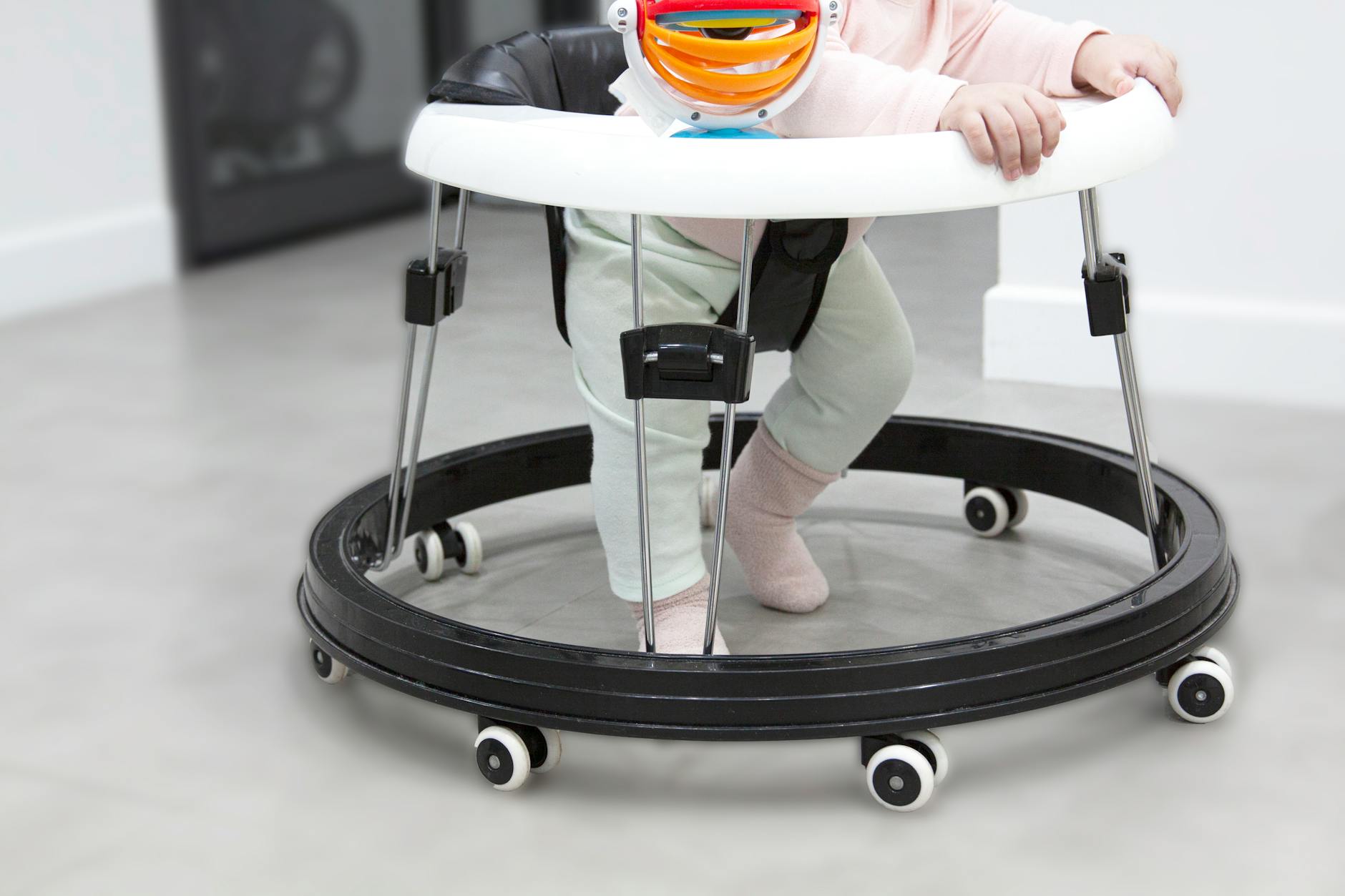
Push toys: When your baby is ready for cruising, push toys (like a sturdy walker wagon) can be a great tool. Ensure the toy is stable and heavy enough not to tip over easily. Supervise your child closely when they use it. Avoid traditional baby walkers where the child sits inside, as these can hinder natural development and pose safety risks.
Ramps and inclines: If you have stairs, a small, safe ramp or a gentle incline can be excellent for practice. Babies often find it easier to navigate inclines than flat surfaces initially. A foam ramp designed for toddlers can be a safe and effective tool for this purpose.
What to Avoid: Potential Pitfalls
While encouragement is great, some common practices might inadvertently hinder your baby’s walking progress or pose risks:
- Rushing the process: Every baby learns at their own speed. Forcing them or showing frustration can create anxiety.
- Over-reliance on baby walkers: As mentioned, seat-style walkers can impede natural leg development and balance.
- Wearing shoes indoors too soon: Shoes can dull the sensory feedback from the feet, making it harder for babies to learn balance and proprioception.
- Unsafe environments: Allowing practice in cluttered or dangerous areas.
When to Consult a Doctor
While a wide range of walking ages is normal, it's wise to be aware of developmental guidelines. If your baby shows:
- No attempt to stand or bear weight on their legs by 15 months.
- Not walking independently by 18 months.
- Significant asymmetry in movement (e.g., always favouring one leg).
- Other developmental delays alongside not walking.
It’s time to schedule a chat with your pediatrician. They can assess your child’s development and offer reassurance or recommend further steps if needed. Remember, early intervention is key if any concerns arise.
Frequently Asked Questions (FAQ)
Q1: My baby is 10 months old and pulling to stand. Should I encourage them to walk?
A1: At 10 months, your baby is showing great readiness signs! Encourage pulling to stand and cruising. Let them explore their environment. They will likely start walking when they feel ready and confident, typically between 12-18 months.
Q2: Is it okay for my baby to wear shoes while learning to walk indoors?
A2: For indoor practice on safe surfaces, it's generally best to let your baby go barefoot. This helps them develop better balance and strengthens their foot muscles. If you must use footwear, opt for soft, flexible shoes that mimic the barefoot experience.
Q3: My baby seems scared to let go and walk. What can I do?
A3: Patience and positive reinforcement are key. Create a safe, encouraging environment. Celebrate every small step they take. You can try playing games like
Overall, early action and medically verified advice remain the safest approach.