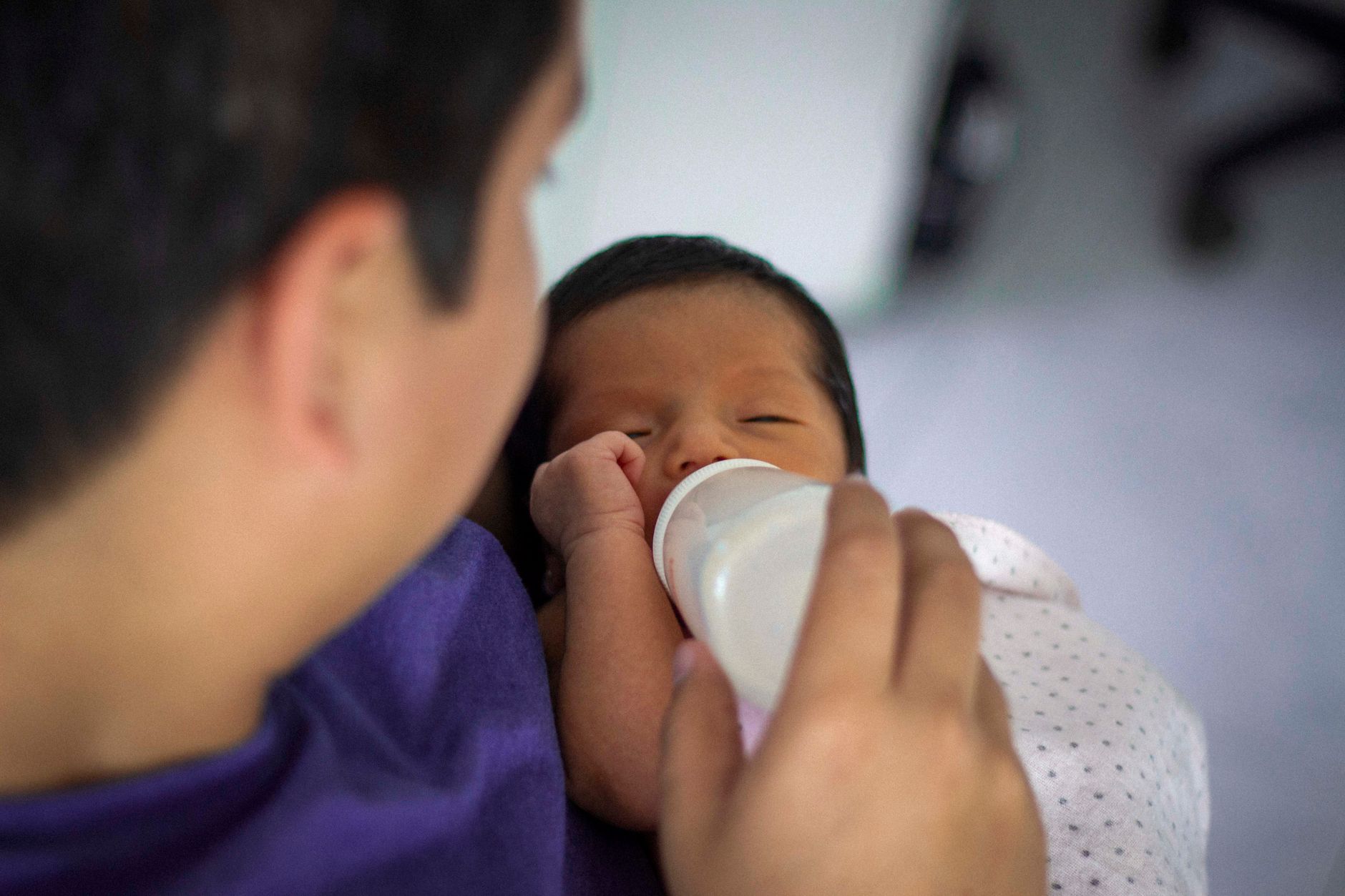
Understanding Baby Spit-Up: When to Worry and When to Relax As a new parent in India, you're likely navigating a beautiful, yet often overwhelming, journey. Among the many joys and challenges, one common concern that surfaces is baby spit-up. You might find yourself constantly changing clothes, cleaning up messes, and wondering, "Is this normal?" It's a valid question, filled with worry about your baby's health and well-being. Let's explore this common phenomenon, differentiate between normal spit-up and something more serious, and discuss practical tips for managing it. Watching your little one bring up milk after a feed can be unsettling. The sheer volume can be surprising, leading to concerns that your baby might be sick or not getting enough nourishment. This is especially true when it seems to happen after every feeding. You might dread the next feeding session, anticipating the inevitable clean-up. However, it's important to remember that for most infants, spitting up is a completely normal part of their early development, particularly in the first few months of life. It typically becomes less frequent as your baby approaches their first birthday and beyond. What is Baby Spit-Up? Spit-up, medically known as reflux, is the effortless return of stomach contents into the esophagus and sometimes out of the mouth. For most babies, this is a quick and smooth flow of breast milk or formula. It usually happens during or shortly after feeding. Unlike vomiting, spit-up typically doesn't cause distress or lead to weight loss. While it might seem like a large amount of liquid, especially after multiple clean-ups in a day, it's often only a small portion of what the baby consumed. Why Do Babies Spit Up? The Role of Development The primary reason for spitting up in infants is the immaturity of their digestive system. Specifically, a muscular valve called the lower esophageal sphincter (LES), located between the esophagus and the stomach, plays a key role. In older children and adults, this muscle effectively keeps food and liquids down. However, in newborns, this muscle is still developing and may not close completely or efficiently. This allows stomach contents, including milk and air, to flow back up into the esophagus. Several factors can contribute to spitting up: Immature LES: As mentioned, the underdeveloped valve is the main culprit. Liquid Diet: Babies consume only liquids, which can easily come back up. Large Feedings: An overfull stomach can put pressure on the LES. Swallowing Air (Aerophagia): Babies often swallow air during feeding, especially if they have a weak latch or are fed too quickly. This excess air can push milk back up. Positioning: Lying flat after feeding can make it easier for milk to flow back up. Overstimulation: Bouncing, vigorous play, or even tummy time immediately after feeding can jostle the stomach contents. Spit-Up vs. Vomiting: Knowing the Difference It can be tricky to distinguish between normal spit-up and vomiting. However, there are key differences: Spit-Up: Usually effortless, often quiet, and babies are generally happy before, during, and after. The amount is typically small, and it doesn't involve forceful expulsion. Vomiting: Often forceful and can come out in a stream or spray. It's usually a symptom of an underlying illness, and the baby may appear distressed, uncomfortable, or unwell before, during, and after. Vomiting can also be associated with other symptoms like fever, diarrhea, or poor feeding. A Real-Life Scenario: Meena was concerned because her four-month-old, Rohan, spat up a large amount of milk after almost every feed. He seemed uncomfortable and would often cry after bringing up the milk. Meena worried he wasn't gaining weight. After a consultation, the doctor explained that while Rohan's spit-up was more frequent, he wasn't showing signs of distress or poor weight gain, suggesting it was within the range of normal, though perhaps on the higher side. When to Seek Medical Advice: Signs of Concern While spitting up is common, there are instances when it's a sign of a more serious condition, such as Gastroesophageal Reflux Disease (GERD) or other medical issues. It's time to consult your pediatrician if you notice any of the following: Forceful Vomiting: If your baby vomits forcefully (projectile vomiting), especially if they are under 12 weeks old. Choking or Gagging: If your baby chokes, gags, or turns blue while spitting up or vomiting. Pain and Distress: If your baby seems unhappy, uncomfortable, or in pain due to heartburn or reflux throughout the day. Poor Weight Gain or Weight Loss: If your baby is not gaining weight as expected or is losing weight. Blood or Bile: If you notice blood (may look like red streaks or coffee grounds) or green/yellow fluid (bile) in the spit-up or vomit. Refusal to Feed: If your baby consistently refuses to feed or seems to associate feeding with pain. Persistent Coughing or Wheezing: These can sometimes be related to reflux irritating the airways. Spitting Up Past 12 Months: While some reflux can persist, significant spitting up after one year of age warrants a doctor's evaluation. Tips to Reduce Spit-Ups If your baby's spit-up is within the normal range, here are some practical strategies you can implement: Keep Baby Upright After Feeding: Hold your baby in an upright position for 20 to 30 minutes after each feeding. Avoid bouncing or rough movements during this time. A gentle hug or carrying them in a sling or baby carrier can be helpful. Smaller, More Frequent Feedings: Instead of large feeds, try offering smaller amounts of milk more frequently. This can help prevent the stomach from becoming too full. Burp Your Baby Frequently: Burp your baby during feeding breaks and after the feed. Hold them upright against your shoulder or sit them on your lap, supporting their head and chest, and gently pat their back. Ensure a Good Latch: For breastfeeding mothers, ensure a proper latch. For bottle-fed babies, use a bottle with a slower flow nipple and hold the bottle at an angle that keeps the nipple full of milk, reducing air intake. Avoid Overstimulation: Try to keep your baby calm and relaxed after feeding. Avoid vigorous play, tummy time, or car seat use immediately after a meal. Check Feeding Environment: Ensure a calm feeding environment, minimizing distractions that might cause your baby to feed too quickly or swallow more air. When to Consult a Doctor Immediately In certain situations, you need to seek immediate medical attention. These include: Your baby chokes on their spit-up to the point of turning blue or becoming limp. Your baby vomits blood or bile. Your baby under 12 weeks of age develops projectile vomiting. These symptoms could indicate a serious underlying condition that requires urgent medical evaluation and treatment. Potential Complications: GERD and Pyloric Stenosis While most spit-ups are harmless, some infants can develop conditions like GERD or Pyloric Stenosis. Gastroesophageal Reflux Disease (GERD): This occurs when reflux is frequent and causes significant discomfort or complications. Signs of GERD include persistent fussiness, arching the back during or after feeds, poor weight gain, and signs of esophagitis (inflammation of the esophagus) like pain or difficulty swallowing. Pyloric Stenosis: This is a less common but more serious condition where the muscle at the stomach outlet thickens and prevents food from passing into the small intestine. It typically causes forceful, projectile vomiting, usually starting between 2 to 5 weeks of age. If you suspect pyloric stenosis, it's crucial to see a doctor immediately for diagnosis and treatment, which may involve surgery. FAQs About Baby Spit-Up Q1: How much spit-up is normal for a baby? It's normal for babies to spit up small amounts of milk after feeding. The exact amount can vary, but if your baby is gaining weight well, seems happy, and isn't distressed, the spit-up is likely normal. Q2: Can I prevent my baby from spitting up? You can't completely prevent spit-ups as it's a developmental process. However, you can minimize them by keeping your baby upright after feeds, burping them effectively, and feeding smaller, more frequent meals. Q3: When does baby spit-up usually stop? Most babies experience less spit-up as they approach their first birthday. By 12 months, the digestive system is more mature, and the LES functions better, significantly reducing or stopping spit-ups. Q4: Can certain foods cause more spit-up? For breastfed babies, very rarely, certain foods in the mother's diet might contribute to fussiness or increased spit-up. However, this is uncommon, and dietary changes should only be made under medical guidance. For formula-fed babies, ensuring the correct formula and feeding technique is more important. Q5: Should I thicken my baby's formula? Thickening formula should only be done under the specific advice of your baby's doctor. While it can sometimes help reduce spit-ups for some infants, it can also pose risks, such as choking or nutrient absorption issues. Always consult your pediatrician first. Navigating the world of baby care can bring many questions. Understanding normal baby spit-up is one of them. By observing your baby's behavior, recognizing the signs of concern, and implementing practical management tips, you can feel more confident in
In summary, timely diagnosis, evidence-based treatment, and prevention-focused care improve long-term health outcomes.