As a parent, keeping your little one entertained and engaged can feel like a full-time job. It’s completely understandable that sometimes, you might need a few moments of peace to take a shower, answer an urgent work email, or simply catch your breath. In these situations, the television can seem like a convenient solution. However, when it comes to babies, particularly those under 18 months, the experts are clear: screen time can be problematic and is best avoided.
While it might be tempting to use TV as a babysitter, especially when you're exhausted, the developmental stages of infants are incredibly sensitive. The American Academy of Pediatrics (AAP) has provided guidelines that highlight the potential negative impacts of screens on a baby's developing brain and skills. Studies, even those involving slightly older children, suggest a correlation between early screen exposure and delays in crucial developmental areas.
Consider this scenario: You’ve just put your 10-month-old down for a nap, but they wake up after only 30 minutes. You have a work call starting in 15 minutes and desperately need to prepare. You turn on a colorful cartoon, hoping it will keep them occupied while you step away. While the immediate goal of getting a few minutes of quiet is achieved, it's worth understanding the longer-term implications of this common parenting choice.
Why Limiting Screen Time for Babies is Important
The consensus among pediatric experts is that introducing screens, including television, to babies under 18 months old should be avoided. This recommendation is rooted in research that points to several potential negative effects:
- Impact on Brain Development: The first few years of a child's life are critical for rapid brain development. Research suggests that excessive screen time during this period may affect the microstructural organization and myelination of brain white matter tracts. These tracts are vital for developing language and literacy skills, as well as cognitive abilities. Essentially, passive viewing doesn't stimulate the brain in the same way active exploration and interaction do.
- Speech and Language Delays: When a baby is engrossed in a screen, they are passively receiving information. This contrasts with the active process of learning language through interaction with caregivers. Studies indicate that increased media exposure in early childhood can be associated with delays in speech and expressive language development. This happens because babies may hear less verbal interaction from parents when screens are on, even if the TV is just in the background.
- Sleep Disturbances: The AAP notes that early childhood media exposure is linked to shorter sleep durations. Infants exposed to screens, especially in the evening, tend to sleep less than those with no evening screen time. Adequate sleep is fundamental for a baby's growth, development, and overall well-being.
Understanding the AAP Guidelines
The American Academy of Pediatrics offers specific guidance on screen time for young children:
- Under 18 Months: Avoid screen media use altogether, with the exception of supervised video chatting. This means no TV, no tablets, no smartphones for entertainment purposes.
- 18 to 24 Months: If parents choose to introduce screens, they should do so together with their child. This means co-viewing, where parents can explain what’s happening on screen and interact with their child about it. It’s important to select high-quality programming and apps. Children in this age group should not be left to watch screens alone.
- 2 to 5 Years: Continue co-viewing and choose high-quality educational programs. Limit screen use to 1 hour per day of high-quality programming. Parents should still prioritize other activities that promote healthy development.
It’s also worth noting that a significant number of children are being exposed to screens much earlier than recommended. A survey indicated that by the age of 1 year, over 90% of children have used a mobile device, with some starting as early as 4 months old.
Alternatives to Screen Time for Baby Entertainment
The good news is that babies have a natural curiosity and capacity to learn and entertain themselves, especially when provided with the right environment and opportunities. Instead of relying on the TV, try these engaging alternatives:
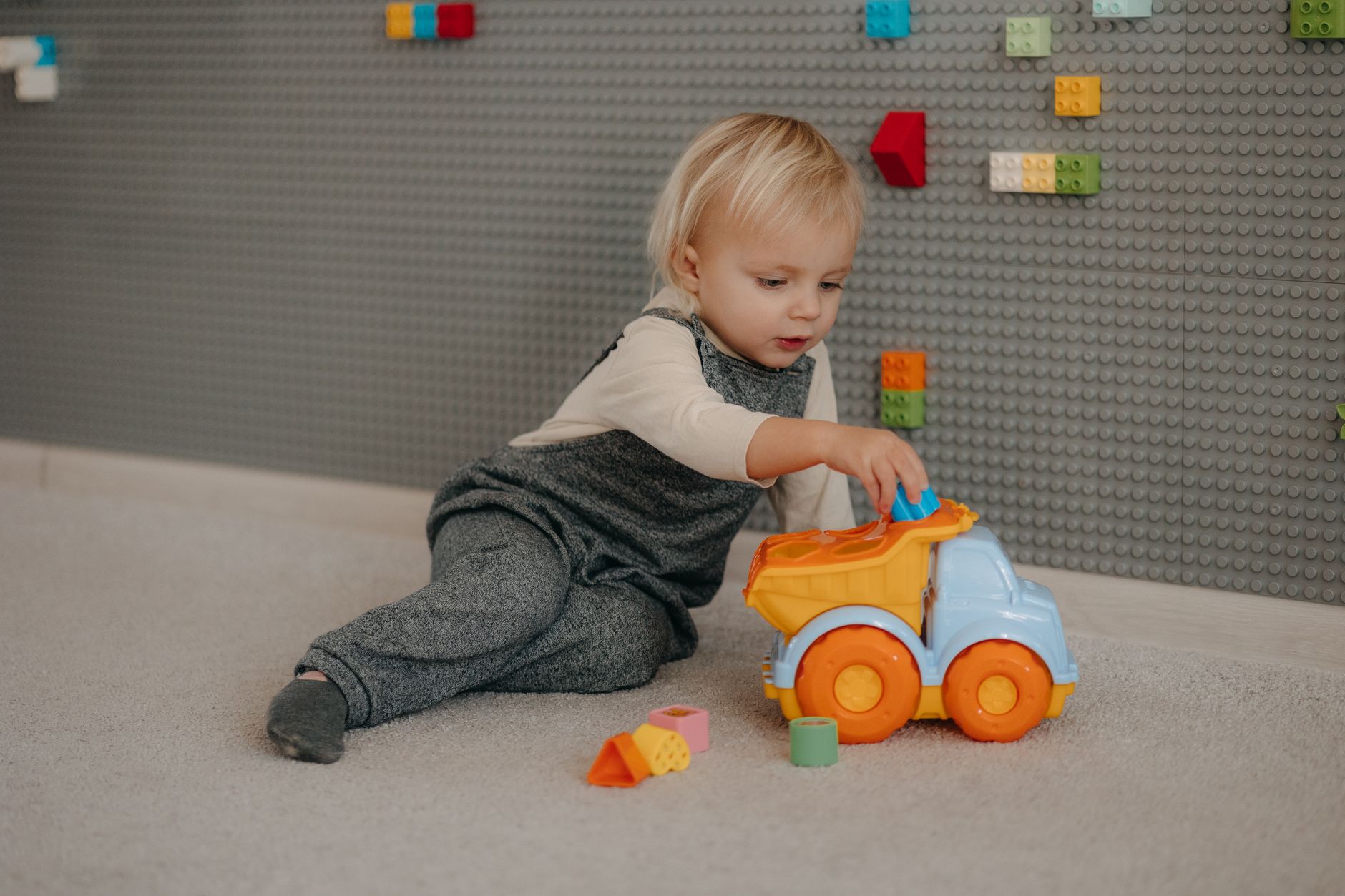
- Create a Safe Play Space: Designate a safe area on the floor or use a playpen filled with age-appropriate toys, soft blocks, and sturdy board books. Ensure there are no small parts that could be a choking hazard and that the space is free from potential dangers.
- Encourage Independent Exploration: Let your baby explore their surroundings and toys at their own pace. This self-directed play is crucial for developing problem-solving skills and creativity. Don't worry if they don't play independently for long periods initially; short bursts are perfectly normal and beneficial.
- Baby Wearing: If your baby seems clingy or wants to be involved in what you're doing, baby wearing can be an excellent solution. Wearing your baby in a carrier allows them to be close to you while you complete tasks, making them feel secure and part of your activity.
- Interactive Play: Engage with your baby through singing songs, playing peek-a-boo, reading aloud, or simply talking to them. These interactions are rich with language and social-emotional learning.
- Sensory Play: Offer safe sensory experiences like feeling different textures (soft fabrics, smooth wooden toys), listening to gentle music, or looking at high-contrast images.
- Activity Chairs: For younger babies who can hold their heads up, an activity chair can provide a safe and stimulating environment for short periods.
When to Consult a Doctor
While these guidelines provide a general framework, every child is different. If you have specific concerns about your baby’s development, including their speech, social interaction, or sleep patterns, it is always best to consult with your pediatrician. They can assess your child's individual progress and offer personalized advice.
Frequently Asked Questions (FAQ)
Q1: Is it okay to let my baby watch TV while I'm in the same room?
Even if you are present, the AAP recommends avoiding screen time for babies under 18 months. The passive nature of viewing can still hinder active learning and interaction, which are vital for development during this stage.
Q2: My baby seems happy watching TV. Does that mean it's not harmful?
Babies can appear captivated by bright colors and moving images on a screen, but this doesn't necessarily mean it's beneficial. Their apparent enjoyment doesn't negate the potential negative impacts on crucial developmental processes like language acquisition and brain development.
Q3: What are good alternatives to TV for a 6-month-old?
For a 6-month-old, focus on sensory exploration and interaction. Offer safe, age-appropriate toys like soft rattles, textured balls, and board books. Engage in interactive play like singing, clapping games, and reading aloud. Baby wearing is also a great option to keep them close while you attend to tasks.