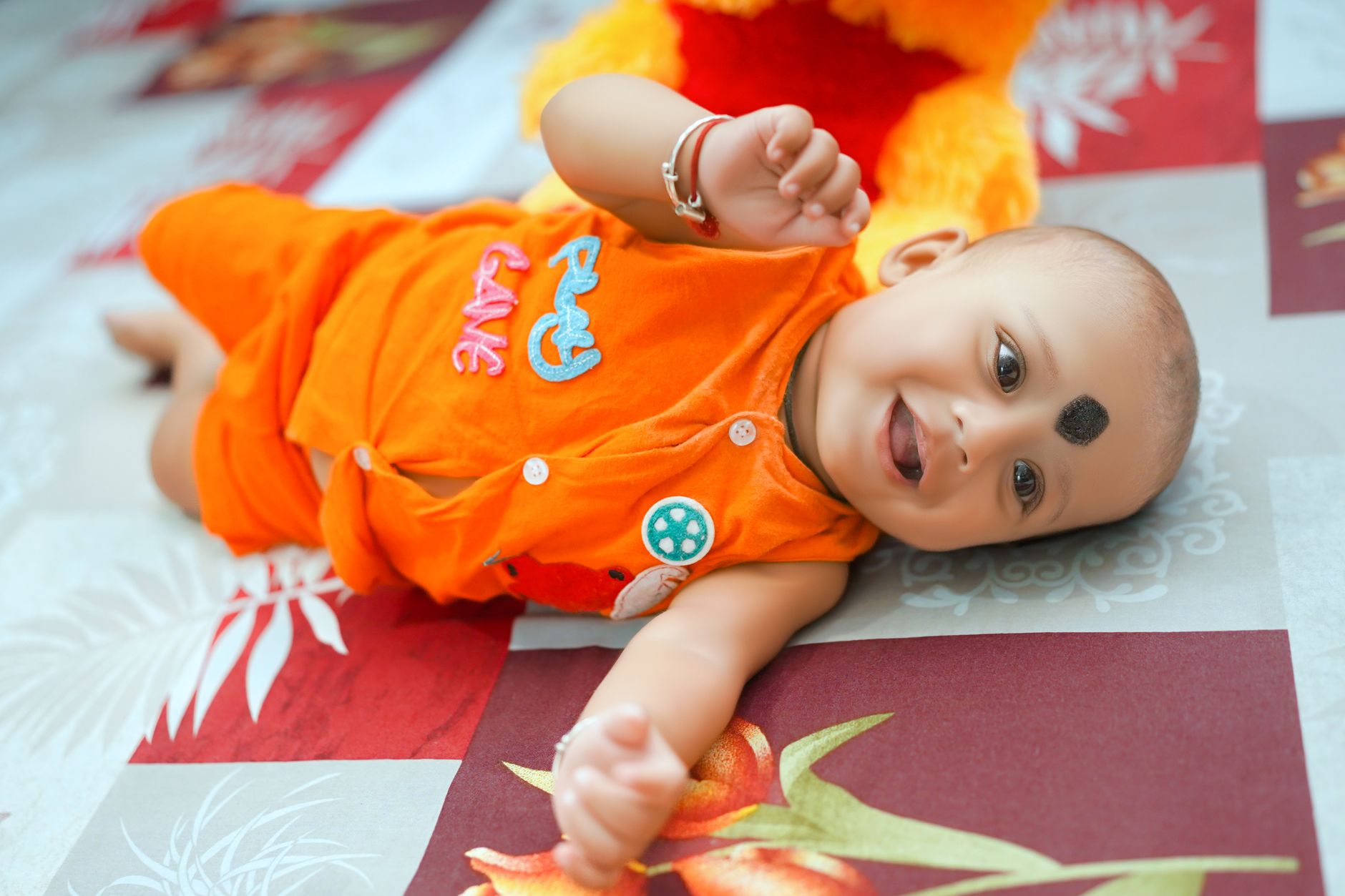
In many Indian households, applying kajal to a newborn's eyes is a cherished tradition, believed to ward off the evil eye and enhance the baby's beauty. You might have seen it yourself – a tiny, dark line or a dot on the baby's face, meant to protect and adorn. However, as loving parents, our primary concern is always our child's safety. This raises a crucial question: Is the traditional practice of using kajal for babies truly safe? This article dives deep into the world of kajal, exploring its history, the potential risks associated with commercially available products, and safer alternatives for those who wish to continue this cultural practice. The Deep Roots of Kajal in Indian Culture Kajal, also known as surma in some regions, has been a part of Indian culture for centuries, with its origins tracing back to ancient civilizations like Egypt. Traditionally, kajal was prepared by grinding mineral ores like stibnite or galena into a fine powder. Another method involved collecting soot from burning wicks dipped in edible oils. These natural ingredients were thought to have medicinal properties, with some believing kajal could protect the eyes from harsh sunlight and infections. It was also believed to make the eyes appear larger and more attractive. Beyond aesthetics and eye care, kajal held significant cultural and spiritual meaning, often applied as a protective mark against the 'evil eye' – a belief that negative energy or jealousy could cause harm. Understanding the Risks: Lead and Other Dangers While the tradition is steeped in history and cultural significance, modern research has raised serious concerns about the safety of commercially produced kajal. The primary danger lies in the potential presence of lead. Reports from regulatory bodies, including the Food and Drug Administration (FDA) in the United States, highlight that many kajal products contain lead sulfide as a major component, sometimes exceeding 50% of the product's content. This is alarming because lead is a highly toxic heavy metal that can have devastating effects on a child's developing body. Why Lead is So Dangerous for Babies Babies and young children are particularly vulnerable to lead poisoning. Their bodies absorb lead more readily than adults, and their brains and nervous systems are still undergoing critical development. Even low levels of lead exposure can lead to: Impaired cognitive development and learning disabilities. Behavioral problems. Damage to the kidneys, bones, and other organs. In severe cases, lead poisoning can cause seizures, coma, and even be fatal. Tragically, there are documented cases of infant deaths linked to kajal use, underscoring the severity of this risk. It's important to remember that lead was banned in paints in many countries decades ago precisely because of its profound toxicity to children. The fact that it's still found in some kajal products, which are directly applied to or near a baby's eyes, is a significant public health concern. Beyond Lead: Other Potential Contaminants Even if a kajal product doesn't contain lead, other harmful substances can be present. The manufacturing process might not always adhere to strict hygiene standards, leading to contamination with bacteria or other toxins. Applying such products to a baby's delicate eyes or skin could lead to infections, irritation, or allergic reactions. A Real-Life Scenario Consider Priya, a new mother in Delhi, who was eager to follow the family tradition of applying kajal to her newborn, Rohan. Her mother-in-law insisted, saying it was essential for Rohan's well-being and to keep away negative vibes. Priya, though hesitant due to some articles she'd read, felt pressured. She used a store-bought kajal that her mother-in-law had procured. Within a few days, Rohan's eyes became red and watery, and he seemed unusually fussy. A visit to the pediatrician revealed a mild eye infection, and the doctor gently explained the risks associated with conventional kajal, advising Priya to stop its use immediately. Safer Alternatives and Homemade Options If you wish to continue the tradition of applying kajal or a similar adornment to your baby, it's essential to explore safer alternatives. The key is to ensure the product is free from harmful contaminants like lead and heavy metals, and is prepared under hygienic conditions. Ayurvedic and Herbal Kajal In recent years, there has been a growing interest in creating kajal using natural, herbal ingredients as recommended in Ayurvedic medicine. Some brands are formulating kajal using herbs known for their beneficial properties, often combined with natural oils and soot. If you choose to buy an Ayurvedic or herbal kajal, do your homework: Research the Brand: Look for reputable brands that are transparent about their ingredients and manufacturing processes. Check for Certifications: See if the product has any quality certifications. Read Reviews: See what other parents say about the product's safety and efficacy. Consult Your Doctor: Always discuss any product you plan to use on your baby with your pediatrician. Making Kajal at Home Making kajal at home can offer greater control over the ingredients and preparation process. While this requires effort, it can be a rewarding way to maintain tradition safely. A basic method involves: Collecting Soot: Burn a clean cotton wick (or a traditional diya wick) in a safe, well-ventilated area. Hold a clean metal plate or lid over the flame to collect the fine black soot. Mixing with Oil: Mix the collected soot with a pure, edible oil like ghee or coconut oil. Ensure the oil is safe for topical use. Formulating the Paste: Grind the mixture into a smooth paste. Some recipes might include specific Ayurvedic herbs for added benefits, but ensure you use only those known to be safe for babies. Sterilization is Key: It is paramount that all utensils and ingredients used are thoroughly sterilized. The final product should be stored in a clean, airtight container. Important Note: Even homemade kajal requires extreme caution. Sterility is non-negotiable. If you are unsure about any ingredient or step, it is best to err on the side of caution and consult an experienced practitioner of traditional medicine or your pediatrician. When Tradition Meets Modern Safety The desire to uphold cultural traditions is understandable and deeply ingrained for many families. However, when it comes to the health and safety of our little ones, modern scientific understanding must guide our decisions. The risks associated with lead and other contaminants in conventional kajal are too significant to ignore. If applying a dark mark is important to you, consider alternatives that don't involve direct application near the eyes. A tiny dot on the forehead, near the hairline, or on the sole of the foot is a common practice that carries far less risk. These spots are less likely to come into contact with the eyes or be ingested. When to Consult a Doctor It's always wise to consult your pediatrician before introducing any new product to your baby's skincare or beauty routine. Specifically, you should consult a doctor if: Your baby develops any signs of eye irritation, redness, swelling, or discharge after using kajal or any other product. You are considering using a commercially available kajal and want to discuss its safety. You are planning to make homemade kajal and want guidance on safe ingredients and preparation methods. You notice any unusual symptoms in your baby that you suspect might be related to a product used on them. Remember: Your baby's health is paramount. While traditions are beautiful, they should never come at the cost of your child's well-being. By staying informed and making conscious choices, you can honor your heritage while ensuring your baby is safe and healthy. Frequently Asked Questions (FAQ) Q1: Is all kajal bad for babies? Not necessarily all kajal is bad, but commercially produced kajal often contains harmful levels of lead and other toxins. Traditional homemade or carefully formulated Ayurvedic kajal made with safe ingredients and under strict hygienic conditions might be safer, but requires thorough research and caution. Q2: Can kajal cause blindness in babies? While direct application of contaminated kajal can lead to infections and irritation, which if left untreated could potentially cause vision problems, blindness is not a direct or common outcome of standard kajal use. The primary concern with toxic kajal is lead poisoning and its long-term developmental effects. Q3: What are the signs of lead poisoning in babies? Signs of lead poisoning can be subtle and include irritability, poor appetite, weight loss, lethargy, vomiting, constipation, and developmental delays. In severe cases, seizures can occur. If you suspect lead exposure, seek medical attention immediately. Q4: Are there any benefits to using kajal for babies? Historically, kajal was believed to have protective qualities and improve vision. However, modern science has not substantiated these claims for commercially available kajal, and the risks associated with lead contamination far outweigh any unproven benefits. Safer eye care practices recommended by pediatricians are the best approach. Q5: Where else can I apply kajal if not on the eyes? If you wish to continue the tradition for aesthetic or cultural reasons, applying a small dot of safe, homemade kajal on the baby's forehead, near the hairline, or
In summary, timely diagnosis, evidence-based treatment, and prevention-focused care improve long-term health outcomes.