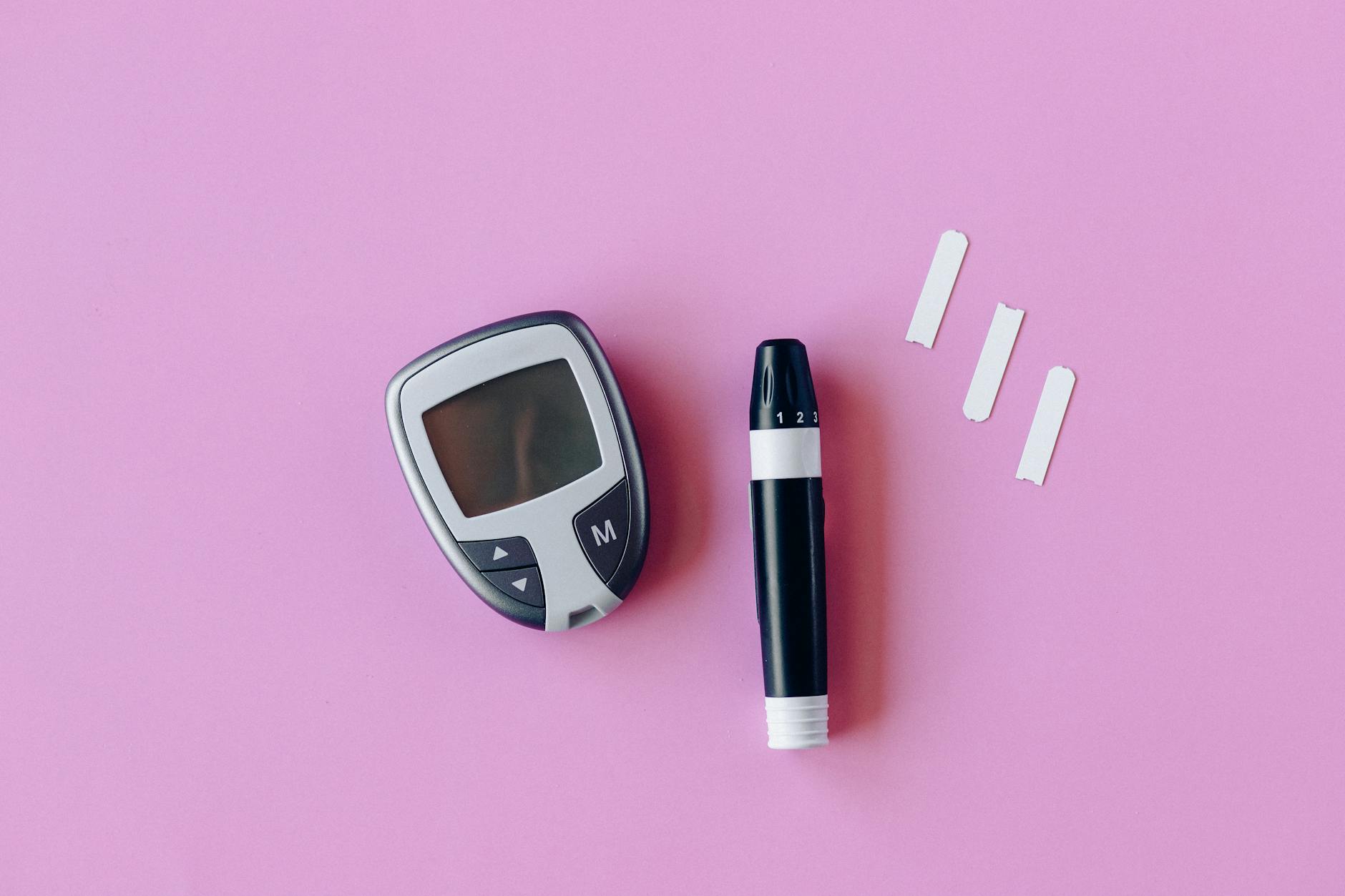
Understanding Newborn Blood Glucose Levels Bringing a new baby home is an exciting time, filled with joy and a lot of learning. One crucial aspect of newborn care that new parents should be aware of is their baby's blood glucose (sugar) levels. While it might seem complex, understanding these levels is vital for ensuring your baby's health and well-being. This guide aims to provide clear, practical information for Indian parents about what constitutes normal blood glucose levels for newborns, potential issues like hypoglycemia and hyperglycemia, and what steps to take. Why are Newborn Blood Glucose Levels Different? During pregnancy, your baby receives all necessary nutrients and glucose directly from you through the placenta and umbilical cord. These nutrients are stored to provide energy for the birth process and the initial days after birth, until breastfeeding or formula feeding is established. Because of this transition, a newborn's body needs time to adjust to regulating its own blood sugar. This is why their glucose levels can fluctuate and are often lower than those of older children or adults. What are Normal Blood Glucose Levels for a Newborn? Blood glucose levels in newborns can vary significantly, especially in the first few hours and days of life. Here's a general guideline: At birth (first 1-2 hours): Normal levels can range from as low as 25 mg/dL to as high as 110 mg/dL. Within the first few days: Blood sugars typically rise to levels closer to adult ranges, generally between 60 to 100 mg/dL. During the neonatal period (first 4 weeks): Levels should ideally be between 70 and 150 mg/dL. It's important to note that these are general ranges, and your baby's doctor will monitor their specific levels. Factors like gestational age and the mother's health during pregnancy can influence these numbers. Neonatal Hypoglycemia: Low Blood Sugar in Newborns Neonatal hypoglycemia occurs when a newborn's blood glucose level drops too low. While some transitional low blood sugar is normal as the baby adapts, persistently low levels can be a concern. What are the concerning low levels? 30 mg/dL or less within the first 24 hours of life. 45 mg/dL or less in the first few days of life. Who is at risk for Neonatal Hypoglycemia? Certain groups of newborns are more susceptible: Preterm babies (born before 37 weeks) and small for gestational age (SGA) babies : They may have lower glycogen stores and body fat, and higher metabolic demands relative to their weight. Babies whose mothers have gestational diabetes or pre-existing diabetes. Babies experiencing birth stress or infections. Babies with certain genetic conditions affecting glucose metabolism. Symptoms of Neonatal Hypoglycemia Symptoms can sometimes be subtle and may not appear immediately. Parents should watch for: Jitteriness or shakiness Irritability or excessive crying Poor feeding Lethargy or difficulty waking Pale skin Sweating Breathing difficulties Seizures (in severe cases) It's crucial to remember that these symptoms can also be signs of other issues, so always consult your doctor. Causes of Neonatal Hypoglycemia The causes can be varied: The baby's body may not produce enough glucose. The baby's body uses glucose too quickly, often due to high insulin levels (common if the mother had diabetes). Increased metabolism or energy demands. Diagnosis and Treatment Doctors typically diagnose hypoglycemia by measuring the baby's blood glucose levels. If levels are low, treatment usually involves: Frequent feeding: Encouraging breastfeeding or formula feeding to provide a steady source of glucose. Intravenous (IV) glucose: In more severe cases, a glucose solution may be given through an IV. Monitoring blood glucose levels closely. Neonatal Hyperglycemia: High Blood Sugar in Newborns Neonatal hyperglycemia is less common than hypoglycemia but can still occur. It's defined as: Whole blood glucose higher than 125 mg/dL at birth. Blood glucose levels above 150 mg/dL in the neonatal period. Causes of Neonatal Hyperglycemia This can be due to various reasons, including: Stress response during birth. Certain medications given to the mother or baby. Underlying medical conditions. Symptoms and Treatment Symptoms are often not specific. Treatment typically involves managing the underlying cause and may include adjusting the amount of glucose given intravenously if the baby is receiving IV fluids. When to Consult a Doctor As a new parent in India, it's essential to stay vigilant. You should consult your pediatrician or healthcare provider immediately if: You notice any of the symptoms of hypoglycemia or hyperglycemia in your newborn. Your baby is not feeding well or seems unusually lethargic. You have concerns about your baby's overall health and well-being. Your baby was born preterm, is small for their gestational age, or if you have a history of diabetes during pregnancy. Regular check-ups with your doctor are crucial for monitoring your baby's growth and development, including their blood glucose levels. Prevention and Management Tips for Parents While not all cases can be prevented, there are steps parents can take: Ensure adequate feeding: Aim for frequent breastfeeding or formula feeds as recommended by your doctor. Monitor for symptoms: Be aware of the signs of low or high blood sugar and report any concerns promptly. Follow medical advice: Adhere strictly to your doctor's recommendations for feeding, monitoring, and any necessary treatments. Communicate with your healthcare team: Don't hesitate to ask questions and voice any concerns you have about your baby's health. Understanding newborn blood glucose levels can seem daunting, but with the right information and prompt medical attention, you can ensure your baby gets the best start
In summary, timely diagnosis, evidence-based treatment, and prevention-focused care improve long-term health outcomes.