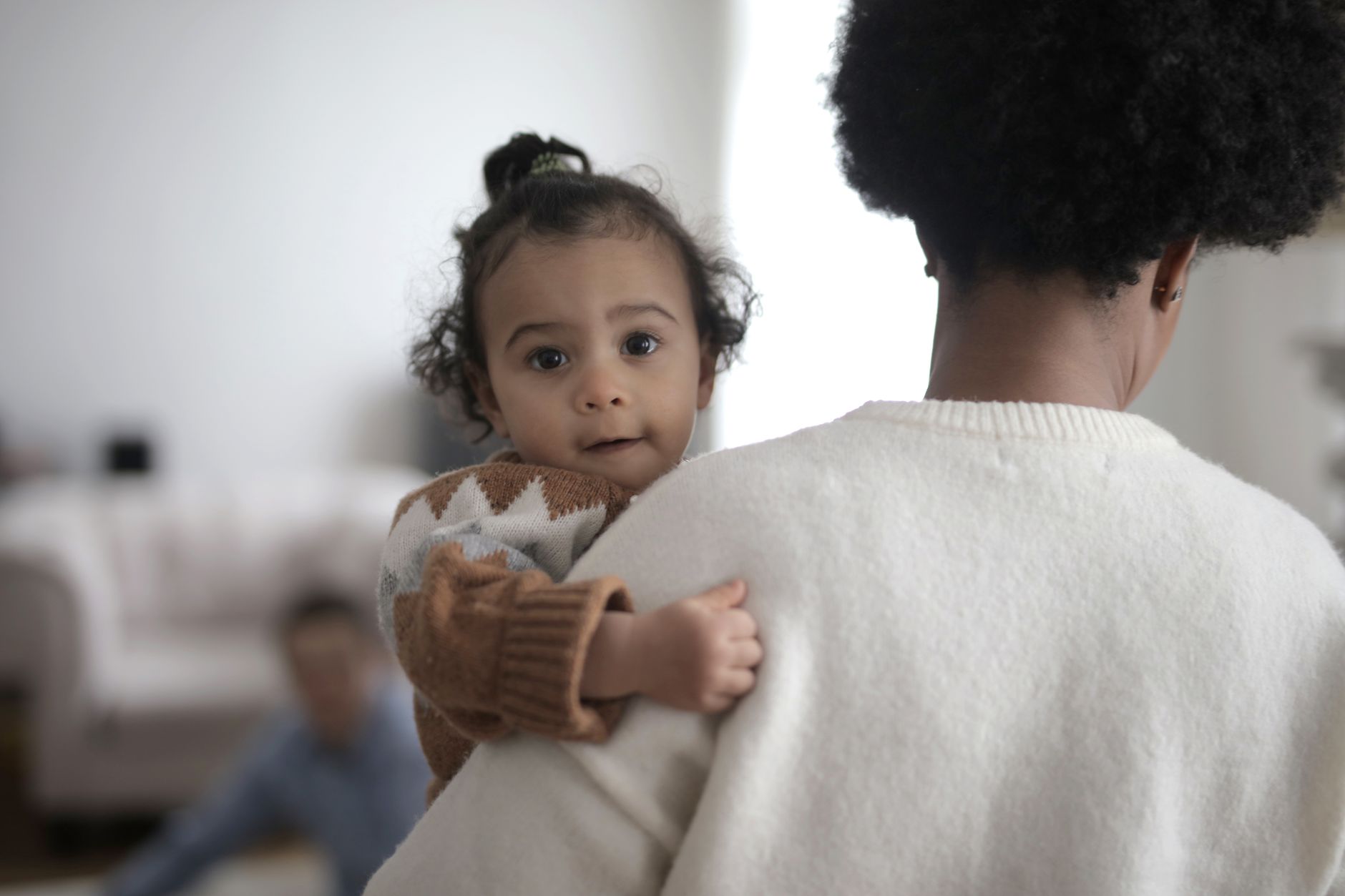
As new parents, you're likely mesmerized by every little detail of your precious baby, from their tiny fingers to their adorable toes. You might also find yourself wondering about their hair – will it be dark and thick like yours, or fine and wispy? Some babies arrive with a full head of hair, while others are born with little to none. If your little one is on the less-hairy side, you might be curious about how to encourage their hair to grow. It’s a common question, and thankfully, there are gentle and practical ways to support healthy hair development.
It’s important to remember that every baby is unique, and their hair journey is no different. Some babies have a full head of hair at birth, while others may not develop significant hair until they are toddlers. Even if your baby is born with hair, it's quite common for it to fall out within the first few months and then regrow. This is often due to hormonal shifts after birth. Inside the womb, your baby has high hormone levels that can promote hair growth. Once they are born, these hormone levels drop, which can lead to a temporary shedding phase as their hair enters a new growth cycle. This is perfectly normal and usually nothing to worry about.
While you can't force hair to grow at an unnatural pace, you can create an environment that promotes healthy growth and manage common issues like cradle cap. This guide will walk you through some gentle, evidence-backed tips to help nurture your baby’s scalp and encourage those lovely locks to flourish. We'll cover everything from the best oils to use to simple scalp care routines that can make a difference.
Understanding Baby Hair Cycles
Before diving into tips, let’s understand why babies’ hair behaves the way it does. A baby’s hair growth follows a cycle: growth (anagen), transition (catagen), and resting (telogen). Newborns typically have a higher proportion of hairs in the resting phase, which is why you might notice shedding. As they grow, their hair follicles will transition to the active growth phase. This cycle takes time, and it's normal for hair to appear thin or patchy during this period. The hair that grows in might also be different in texture or color from the hair they were born with.
Gentle Scalp Care for Healthy Growth
A healthy scalp is the foundation for healthy hair. Keeping your baby’s scalp clean and moisturized can make a significant difference.
1. Regular, Gentle Washing
Once your baby is past the initial newborn phase (where baths are infrequent), aim to wash their hair every 2-3 days. Using a tear-free, mild baby shampoo is essential. Always use lukewarm water – never hot! Gently massage the shampoo into their scalp with your fingertips, being careful not to scrub too hard. Rinse thoroughly to remove all shampoo residue, which can sometimes irritate the scalp.
2. Embrace Natural Oils
Natural oils can be wonderfully nourishing for a baby’s scalp. Coconut oil, especially organic or extra-virgin varieties, is a popular choice. Studies suggest that coconut oil can help reduce hair protein loss and improve scalp health.
- How to Use Coconut Oil: Apply a small amount of lukewarm coconut oil to your baby’s scalp. Gently massage it in for a few minutes. Let it sit for about 20 minutes. You can then choose to rinse it out with warm water or leave a tiny bit in. Using it a few times a week can help moisturize the scalp and may aid in managing cradle cap.
- Other Beneficial Oils: While coconut oil is well-researched, other natural oils like almond oil or olive oil can also be used gently. Always do a patch test on a small area of skin first to check for any sensitivity.
3. Scalp Massage
A gentle scalp massage is not only a bonding experience but also a great way to stimulate blood circulation to the hair follicles. After applying oil or even during bath time, use your fingertips to gently massage your baby’s scalp in a circular motion for a few minutes. This can help loosen dry skin and encourage growth. Your baby might even find it so soothing that they drift off to sleep!
4. Managing Cradle Cap
Cradle cap, those flaky or crusty patches on a baby’s scalp, is very common and harmless. While it doesn’t directly impact hair growth, gently managing it can create a healthier scalp environment.
- Soft Brushing: After a warm bath or applying a little oil, gently brush your baby’s scalp with a soft baby brush or a fine-toothed comb. This helps to loosen and lift the flakes. Avoid picking at the scales, as this can irritate the skin and potentially lead to infection.
- Medicated Shampoos (if recommended): In persistent cases, a doctor might recommend a mild medicated shampoo. Always follow your doctor’s advice.
Nutrition for Hair Growth
Once your baby starts eating solid foods (typically around 6 months), their diet plays a role in overall health, including hair growth. Ensure their diet is rich in essential nutrients.
Key Nutrients for Hair Health:
- Iron: Crucial for carrying oxygen to hair follicles. Good sources include fortified cereals, pureed meats, and beans.
- Protein: The building block of hair. Offer pureed chicken, lentils, or yogurt.
- Vitamins A and C: Support sebum production (natural scalp oil) and collagen development. Found in fruits and vegetables like sweet potatoes, carrots, and berries.
- Vitamin D: Plays a role in hair follicle cycling. Sunlight exposure (safely, of course!) and fortified foods can help.
- Zinc: Important for hair tissue growth and repair. Present in meat, beans, and nuts (in pureed form for babies).
- B Vitamins (especially Biotin): Essential for hair health. Found in eggs, meat, and whole grains.
Always consult your pediatrician before introducing new foods or supplements to your baby’s diet.
When to Seek Professional Advice
While most baby hair loss and slow growth are normal, there are times when you should consult your doctor or a pediatrician.
- Excessive Hair Loss: If you notice large amounts of hair coming out in clumps, or bald patches appearing suddenly, it’s worth discussing with your doctor.
- Scalp Irritations: If the scalp looks red, inflamed, or shows signs of infection (like oozing or sores), seek medical attention promptly.
- Concerns About Overall Development: If you have any worries about your baby's general health or development alongside hair issues, your doctor is the best resource.
A common scenario: A new parent, Priya, noticed her 8-month-old baby, Aarav, had very sparse hair compared to other babies her age. She worried if this meant something was wrong. After a gentle check-up and discussing Aarav’s diet and sleep, the doctor reassured her that Aarav was healthy and his hair growth was within the normal range. The doctor suggested continuing with gentle scalp massages and ensuring a balanced diet as Aarav started solids.
Frequently Asked Questions (FAQ)
Q1: How long does it take for a baby’s hair to grow back after falling out?
It can vary greatly. Typically, you’ll start seeing new hair growth within 6 to 12 months after the initial shedding. However, for some babies, it can take up to 2 or even 3 years to develop a fuller head of hair.
Q2: Can I use hair products on my baby?
It’s best to stick to mild, tear-free baby shampoos and natural oils like coconut oil. Avoid adult shampoos, conditioners, or styling products, as they can be too harsh for a baby’s sensitive scalp and skin.
Q3: Is it true that cutting a baby’s hair makes it grow thicker?
This is a common myth! Cutting a baby’s hair does not change the hair follicle or its growth rate. While it might make the existing hair appear more uniform, it doesn't stimulate thicker or faster growth from the root.
Q4: My baby scratches their head a lot. Is this a sign of hair growth issues?
Frequent scratching can be due to dry scalp, cradle cap, or even just exploration. Ensure their scalp is moisturized and free from irritation. If the scratching is excessive or causes redness and sores, consult your doctor.
Patience is key when it comes to your baby’s hair. Focus on providing a nurturing environment, a healthy diet, and gentle care. Your baby’s unique hair journey will unfold beautifully in its own time.