As a parent, you naturally want the best for your child, and that often includes wanting them to be bright and capable. It's completely understandable to wonder if your baby is developing on track and how you can best support their growing mind. The early years are indeed a foundational period for brain development, and while every child is unique, there are many practical ways to foster their cognitive growth. This guide offers insights into understanding and nurturing your baby's potential, moving beyond simple comparisons to focus on creating a stimulating and supportive environment for learning and development. We'll explore how to identify different types of intelligence, understand developmental milestones, and implement evidence-based parenting strategies that can help your child thrive. Remember, your interaction and the world you create for your baby are powerful tools. Let's discover how you can help your little one reach their full potential.
Understanding Intelligence: Beyond the IQ Score
When we talk about a "smart baby," it's easy to fall into the trap of thinking only about traditional measures of intelligence, like IQ. However, intelligence is far more complex and multifaceted. Theorist Howard Gardner proposed the concept of multiple intelligences, suggesting that individuals possess different kinds of cognitive strengths. These intelligences include linguistic (word smart), logical-mathematical (number/reasoning smart), spatial (picture smart), bodily-kinesthetic (body smart), musical (music smart), interpersonal (people smart), intrapersonal (self smart), naturalist (nature smart), and existential (life smart). This perspective is incredibly empowering for parents because it means every baby is smart in their own unique way. Your role is to observe, identify, and nurture these diverse intelligences as they emerge. Don't worry if your baby doesn't fit a single mold; celebrate their individual strengths and provide opportunities for them to explore different areas.
Key Parenting Practices for a Thriving Child
Research into the development of highly successful individuals points to certain parenting behaviors that make a significant impact. These aren't about pressure or early academics but about creating a supportive framework for growth. Here are some foundational practices:
- Encourage Independence: Allow your child to explore, make choices, and attempt tasks on their own. This builds confidence and problem-solving skills. Of course, be there to guide and intervene when necessary to ensure safety and provide support.
- Introduce New Ideas and Possibilities: Broaden your child's horizons by exposing them to new experiences, books, and environments. Teach them persistence when they face challenges, encouraging them to find solutions rather than giving up.
- Make Strategic Parenting Choices: Pay close attention to your child's individual needs, temperament, and developmental stage. Tailor your approach to what works best for them, rather than following a one-size-fits-all method.
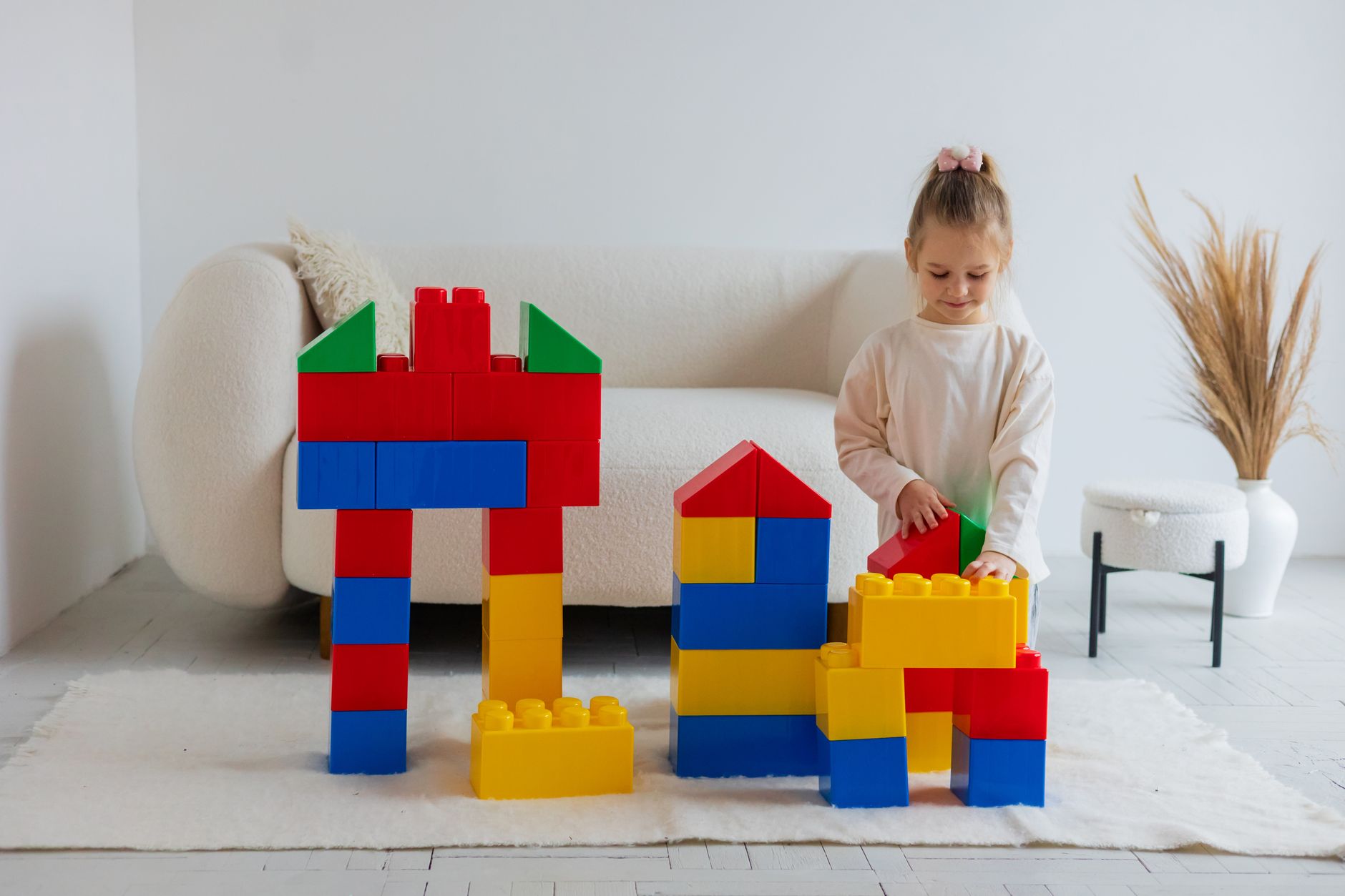
For instance, imagine your toddler is struggling to stack blocks. Instead of immediately taking over, you might say, "It looks a bit wobbly. Let's try placing this bigger block at the bottom first." This guides them without doing it for them, encouraging problem-solving.
Developmental Milestones: A Gentle Compass
While every child progresses at their own pace, understanding general developmental milestones can be helpful. These are age-based markers that indicate typical progress in areas like communication, motor skills, cognitive abilities, and social-emotional development. However, it's crucial to remember that these are guidelines, not rigid rules. Many factors can influence when a child reaches a particular milestone, including genetics, environment, health, and individual temperament. Some babies might walk earlier but speak later, while others might be verbal whizzes who take their time with physical feats. If you have concerns about your child's development, the best course of action is always to consult their pediatrician. They can provide personalized assessments and address any specific worries you might have.
Practical Ways to Nurture Your Baby's Brain
You don't need fancy gadgets or specialized training to help your baby's brain grow. The most powerful tools are already at your disposal: your interaction, your attention, and the world around them. Here’s how you can actively support their development:
1. Engage in Responsive Interaction
Talk, sing, and read to your baby from day one. Respond to their coos, babbles, and gestures. When you engage in back-and-forth "conversations," you're helping them develop language skills and understand social cues. Narrate your day: "Mommy is making breakfast now," or "Look at that big red truck outside!" This rich language input is vital.
2. Encourage Exploration and Play
Play is a baby's work! Provide a safe environment where your baby can explore textures, shapes, and objects. Offer a variety of age-appropriate toys that stimulate different senses. Tummy time is essential for developing motor skills and strengthening neck and back muscles. Let them reach for toys, crawl, and eventually walk. Simple activities like peek-a-boo or rolling a ball back and forth are fantastic for cognitive and social development.
3. Foster Sensory Experiences
Babies learn through their senses. Offer diverse sensory experiences: the feel of different fabrics, the sound of music, the sight of colorful objects, the taste of new (appropriate) foods as they get older. Supervised time outdoors can introduce them to the wonders of nature. These varied sensory inputs help build neural connections in the brain.
4. Prioritize Sleep and Nutrition
A well-rested and well-nourished baby has a better capacity for learning and development. Ensure your baby gets adequate sleep, as this is when much of their brain growth and consolidation of learning occurs. For infants, breast milk or formula provides essential nutrients. As they begin solid foods, focus on a balanced diet rich in vitamins and minerals that support brain health.
5. Limit Screen Time
The American Academy of Pediatrics (AAP) recommends that children under 18 months avoid screen time, with the exception of video chatting with loved ones. For children aged 18 to 24 months, if you introduce screens, choose high-quality programming and watch with your child to help them understand what they're seeing. Between 2 and 5 years, limit screen time to one hour per day of high-quality content, always with an adult present. Excessive or passive screen time can hinder active learning and interaction.
When to Seek Professional Advice
It's natural to have questions about your child's development. If you notice significant delays in reaching milestones, or if you have persistent concerns about your baby's learning, communication, or behavior, don't hesitate to speak with your pediatrician. They are your best resource for assessing your child's progress and providing guidance. Early intervention can make a significant difference if developmental concerns are identified.
Frequently Asked Questions (FAQ)
Q1: Is it true that babies are born with a fixed level of intelligence?
No, intelligence is not fixed at birth. While genetics play a role, a child's environment, experiences, and interactions significantly shape their cognitive development throughout their early years and beyond. Nurturing a stimulating and supportive environment is key.
Q2: How much screen time is too much for a baby?
For babies under 18 months, the AAP recommends avoiding screen time except for video calls. For older toddlers and preschoolers, limit high-quality screen time to 1 hour per day with adult supervision and interaction.
Q3: Should I compare my baby's development to others?
It's best to avoid direct comparisons. Every child is unique and develops at their own pace. Focus on your child's individual progress and celebrate their achievements, consulting a pediatrician if you have concerns.
Q4: What are some simple activities I can do at home to boost my baby's brain?
Engage in talking, singing, and reading daily. Play interactive games like peek-a-boo. Offer opportunities for exploration and sensory play. Ensure they get enough sleep and good nutrition. These simple, consistent interactions are highly effective.