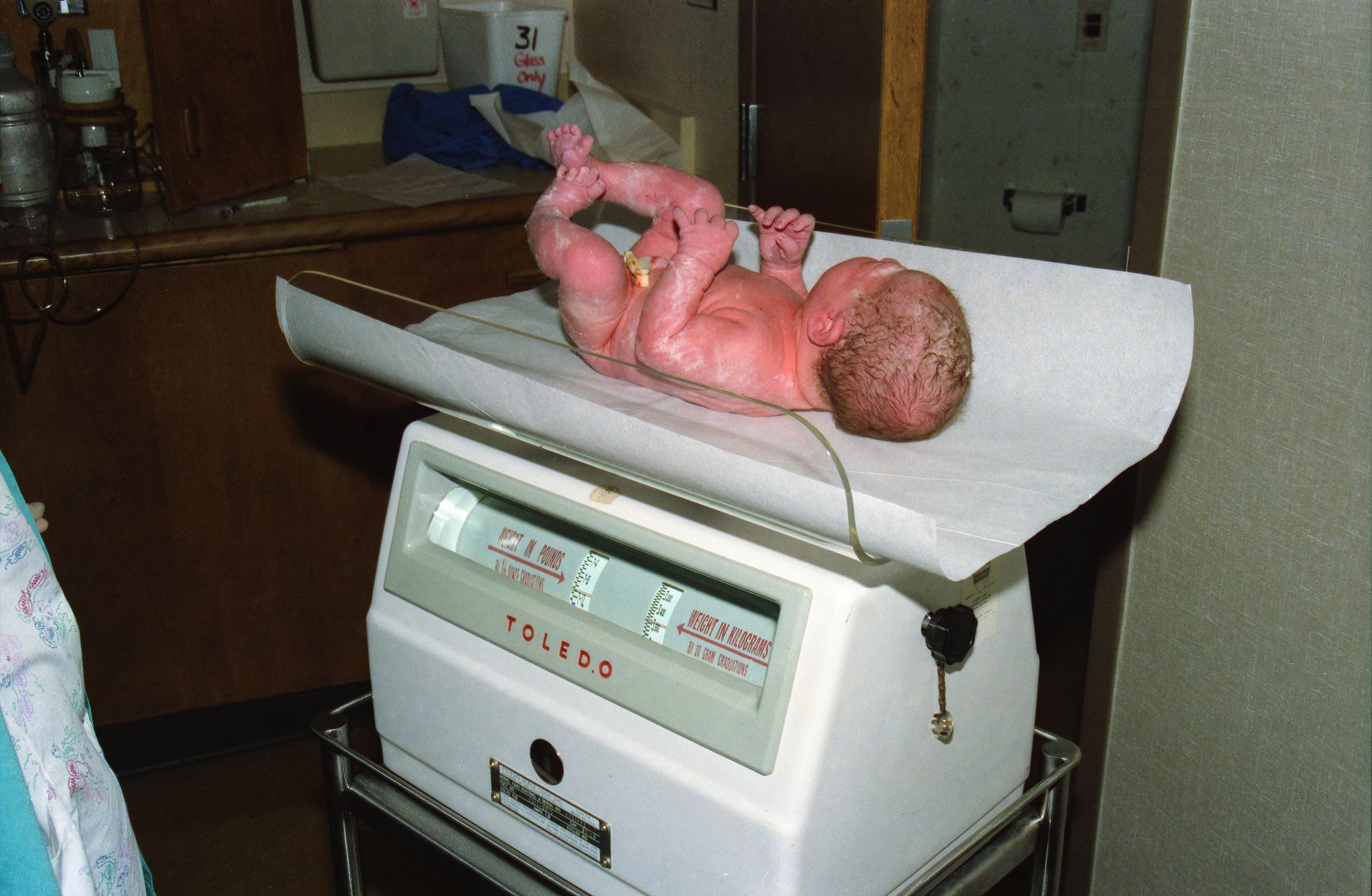
Understanding Perinatal Stroke: A Guide for Indian Parents A perinatal stroke is a serious concern that affects newborns, occurring between the 20th week of pregnancy and the first 28 days after birth. This type of brain injury happens when blood flow to a baby's brain is disrupted, leading to a lack of oxygen and nutrients. While the term might sound alarming, understanding its causes, symptoms, and potential outcomes is crucial for expectant and new parents in India. This guide aims to provide clear, practical information to help you navigate this complex issue. What Exactly is a Perinatal Stroke? The medical definition of a perinatal stroke is a stroke that occurs after 20 weeks of gestation or within 28 days of birth. It's important to note that diagnosing a stroke before 20 weeks of pregnancy is nearly impossible. These strokes are essentially brain injuries resulting from insufficient blood supply to the developing brain. There are two main types: Perinatal Arterial Ischemic Stroke (PAIS): This is the most common type, caused by a blockage or reduced blood flow in the arteries supplying the brain. It affects approximately 1 in 4,000 live births and can lead to significant developmental challenges. Perinatal Hemorrhagic Stroke: This occurs when there is bleeding within the baby's brain. While it might have a higher mortality rate (around 20% in some studies), many surviving infants show only mild or no significant developmental deficits by one year of age. Causes of Perinatal Stroke Several factors can contribute to a perinatal stroke. Understanding these potential causes can help in identifying risks: Blood Clots (Thrombosis): Clots can form and block blood vessels, cutting off blood supply to parts of the brain. Bleeding in the Brain (Hemorrhage): Conditions like intracerebral hemorrhage can cause bleeding that damages brain tissue. Blood Vessel Abnormalities: Problems with the structure or function of blood vessels can impair normal blood flow. Infections and Inflammation: Infections or inflammation in the mother or baby can affect blood flow and increase stroke risk. Birth Complications: Issues during labor and delivery, such as birth asphyxia (lack of oxygen), are significant risk factors. Maternal Health Conditions: Certain conditions in the mother, like preeclampsia or clotting disorders, can also play a role. Research also points to specific risk factors for PAIS, including birth asphyxia and low Apgar scores, which are quick assessments of a newborn's health immediately after birth. Recognizing the Symptoms Symptoms of a perinatal stroke can vary widely and may not always be immediately apparent. Some babies may show signs shortly after birth, while others might not be diagnosed until later in childhood when developmental delays become noticeable. Common symptoms include: Seizures: These are often the first noticeable symptom. Lethargy or excessive sleepiness. Difficulty feeding. Weakness or paralysis on one side of the body (hemiparesis). Muscle stiffness or floppiness. Developmental delays in motor skills, speech, or cognitive abilities. Behavioral issues later in childhood. It's important to remember that some symptoms might be subtle and mimic other common newborn issues. If you have any concerns about your baby's development or behavior, it's always best to consult a doctor. Diagnosis of Perinatal Stroke Diagnosing a perinatal stroke involves a combination of clinical observation and advanced imaging techniques. If a doctor suspects a stroke based on symptoms, they will likely recommend: Neurological Examination: A thorough assessment of the baby's reflexes, muscle tone, and overall neurological function. Imaging Studies: Magnetic Resonance Imaging (MRI) or Computed Tomography (CT) scans are essential to confirm the presence of a stroke, determine its location, and assess the extent of brain damage. Blood Tests: These can help identify underlying causes, such as clotting disorders or infections. Early and accurate diagnosis is critical for timely intervention and management. Treatment and Management The primary goal of treatment for a perinatal stroke is to stabilize the infant, manage complications, and support development. Treatment strategies are tailored to the individual child and may include: Supportive Care: Ensuring the baby's basic needs are met, including maintaining adequate oxygen levels, body temperature, and hydration. Seizure Management: Anticonvulsant medications are often prescribed to control seizures and prevent future occurrences. Anticoagulation Therapy: In cases where a blood clot is identified as the cause, medications to prevent further clotting might be considered. However, these are often less effective if the stroke has already occurred. Therapy and Rehabilitation: This is a cornerstone of long-term management. It includes: Physical Therapy: To improve motor skills, strength, and coordination. Occupational Therapy: To help with daily living activities and fine motor skills. Speech Therapy: To address difficulties with communication and swallowing. The long-term outlook for a child with perinatal stroke varies greatly. While some may experience significant challenges, many can lead fulfilling lives with appropriate support and therapy. Studies show that outcomes can range from mild deficits to more severe complications, with over 40% of babies having less optimistic outcomes in some retrospective studies. However, individual risk factors and the extent of the stroke play a significant role. Prevention and When to Consult a Doctor Preventing perinatal stroke is challenging as many causes are not fully understood or preventable. However, maintaining good maternal health during pregnancy, managing chronic conditions like diabetes and hypertension, and seeking prompt medical attention for any pregnancy complications can help reduce risks. Regular prenatal check-ups are vital. Consult a doctor immediately if: You notice any unusual symptoms in your newborn, such as seizures, extreme lethargy, or one-sided weakness. You have concerns about
In summary, timely diagnosis, evidence-based treatment, and prevention-focused care improve long-term health outcomes.