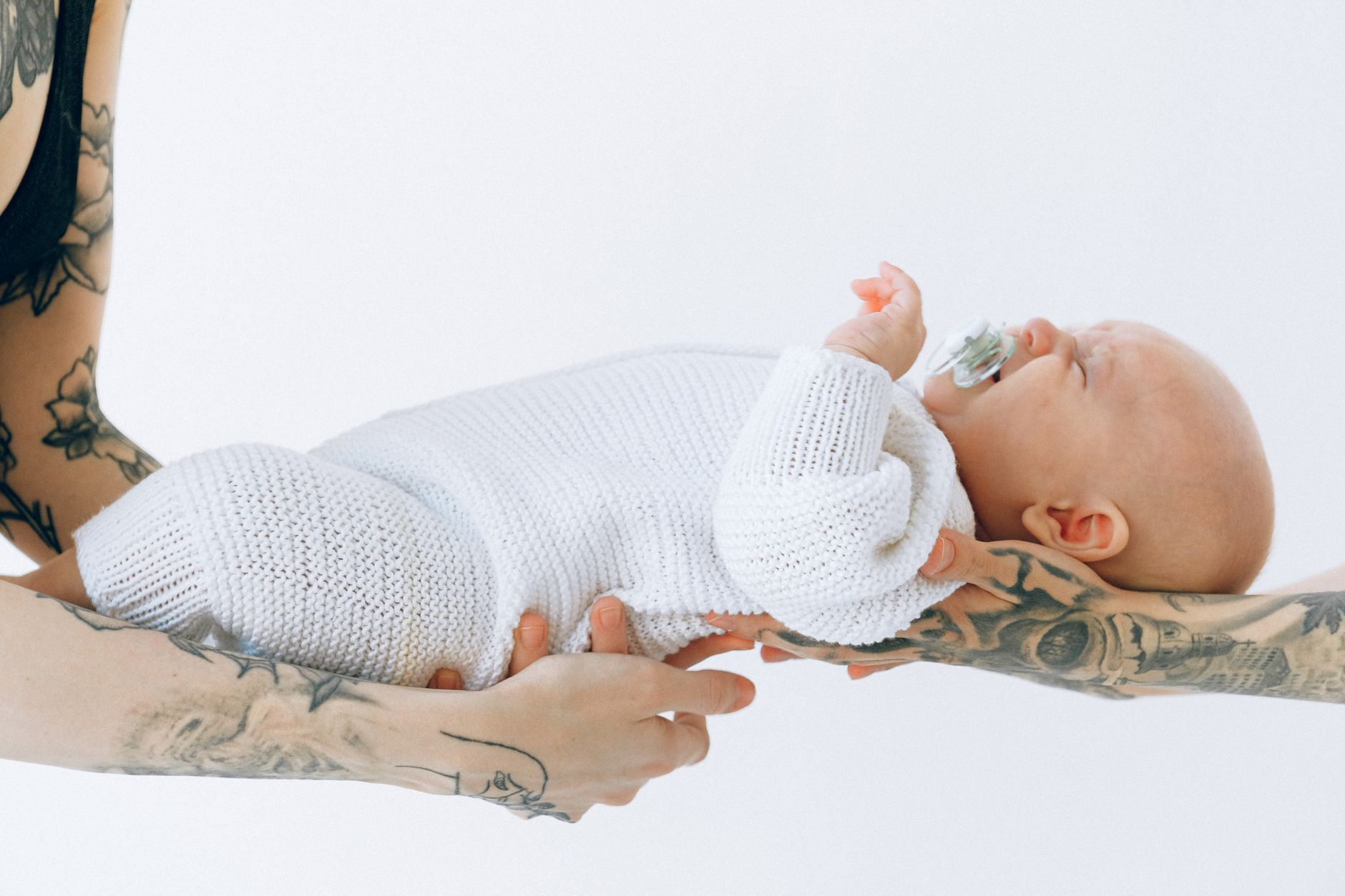
Welcoming a New Life: The Joy and the Jitters
Bringing a new baby home is a whirlwind of emotions. It’s a time filled with unparalleled joy, sleepless nights, overwhelming love, and yes, a good dose of anxiety. As a new parent, your primary instinct is to shield your precious little one from any harm. This natural protective urge often intensifies when it comes to visitors. You might find yourself silently chanting, "Please don’t kiss my baby!" even before the pandemic made us all more germ-aware.
The early weeks and months with a newborn are a delicate dance of bonding, recovery, and learning. You’re navigating uncharted territory, trying to decipher cries, master feeding, and simply survive on minimal sleep. The last thing you need is added stress from well-meaning but potentially germ-carrying visitors. This guide is here to help you navigate this crucial period with confidence, empowering you to set healthy boundaries that protect your baby and your peace of mind.
Why Boundaries Are Essential for Your Newborn
It might feel awkward or even rude to set rules for guests, especially when they’re eager to shower your baby with affection. However, remember that these boundaries aren't about being inhospitable; they're about safeguarding your infant's health and your family's well-being. Newborns have incredibly underdeveloped immune systems, making them highly susceptible to infections. What might be a mild cold for an adult could be serious for a baby.
Beyond the germ factor, establishing clear boundaries early on can:
- Reduce parental anxiety: Knowing your baby is protected allows you to relax and focus on bonding.
- Prevent postpartum exhaustion: Entertaining visitors when you’re recovering and sleep-deprived is draining. Clear guidelines can minimize this burden.
- Set a precedent: Early boundaries help shape future interactions and expectations with friends and family.
- Prioritize your recovery: Your physical and emotional recovery after childbirth is paramount. Boundaries help ensure you get the rest and support you need.
Setting the Stage: Communicating Your Needs
The key to successful boundary setting is clear, upfront communication. Don't wait until visitors are at your doorstep to voice your concerns. Ideally, you should discuss your expectations before the baby arrives or as soon as possible after birth.
1. The "No Kissing" Rule: A Simple Yet Powerful Boundary
This is perhaps the most direct and vital boundary to establish. "Please, don't kiss my baby" is a perfectly reasonable request. Babies' faces, especially around their mouths and eyes, are incredibly sensitive and are prime targets for germ transmission. A simple explanation like, "We're being extra cautious with germs right now to keep the baby healthy," is usually sufficient.
2. Hand Hygiene: The First Line of Defense
Make handwashing or sanitizing a non-negotiable rule for anyone holding or interacting closely with your baby. You can phrase it gently but firmly:
- "Before you hold the baby, could you please wash your hands?"
- "We have hand sanitizer by the door – please use it before you come in and before you touch the baby."
Keep hand sanitizer readily accessible throughout your home, in your diaper bag, and in your car. Don't hesitate to politely remind someone to rewash their hands if they've sneezed, coughed, or handled something potentially unsanitary.
3. Visitor Etiquette: Beyond Germs
Boundaries aren't just about physical contact. Consider other aspects of visits:
- Duration of visits: Keep visits short, especially in the early weeks. An hour or two is often plenty.
- Timing of visits: Schedule visits when you feel most rested and prepared. Avoid times that interfere with feeding or nap schedules.
- Guest health: Politely ask visitors to postpone their visit if they are feeling unwell, even if it's just a mild sniffle.
- Assistance: Encourage visitors to be helpful. Can they do a load of laundry? Bring a meal? Take out the trash? This shifts the focus from just admiring the baby to actively supporting the new parents.
- Who visits: Be selective about who you invite into your home. Prioritize people who understand and respect your boundaries, and who offer genuine support.
4. Communicating Your Policies: When Directness is Key
If speaking directly to individuals feels too uncomfortable, consider these options:
- Mass Email or Text: Send a group message outlining your visitor guidelines. Frame it as a general precaution for the baby's health. For example: "We're so excited for you all to meet the baby! To ensure everyone stays healthy, especially our little one, we're kindly asking that all visitors wash their hands thoroughly before holding the baby and refrain from kissing them on the face during these early weeks."
- A "Welcome Home" Packet: Include a small note with your baby's arrival announcement that outlines your visitor policies.
Navigating Challenges: When People Push Boundaries
Despite your best efforts, you might encounter resistance or guests who don't respect your rules. Here’s how to handle it:
- Be Firm but Polite: Repeat your request calmly. "As I mentioned, we're being very careful about germs, so please wash your hands again."
- Redirect: If someone insists on holding the baby when you're not ready, offer an alternative. "Perhaps later? Right now, I'd love for you to just chat with me."
- Take a Break: If a visit becomes too overwhelming, it's okay to end it. "Thank you so much for coming! We're getting a bit tired now, so we'll have to wrap up."
- Don't Apologize for Your Needs: You are not being unreasonable by prioritizing your baby's health and your own recovery.
- Limit Access: If a particular person consistently disregards your boundaries, you may need to limit their visits or the duration of their stays. Sometimes, a temporary pause in visits is necessary.
When to Seek Professional Advice
While setting boundaries is primarily about managing social interactions, there are times when you might need professional support:
- Postpartum Anxiety or Depression: If the stress of managing visitors and new parenthood exacerbates feelings of anxiety, overwhelm, or sadness, please reach out to your doctor or a mental health professional.
- Concerns about Baby's Health: If your baby shows signs of illness after a visit (fever, unusual lethargy, difficulty breathing, etc.), contact your pediatrician immediately.
- Relationship Strain: If boundary setting is causing significant conflict with close family members, a therapist or counselor might help facilitate communication.
Frequently Asked Questions (FAQ)
Q1: Is it really that bad if someone kisses my baby?
A: For newborns, whose immune systems are still developing, even a seemingly harmless kiss can transmit viruses and bacteria that could lead to serious illness. It's a matter of precaution to protect your vulnerable infant.
Q2: What if my mother-in-law insists on holding the baby right away?
A: This can be a sensitive situation. You can acknowledge her excitement while reiterating your need for caution. "Mom, we're so happy you're here! We're just taking it slow with holding right now and getting used to everything. We'd love for you to sit with us and chat." If she persists, you might need to be more direct: "We're not comfortable with anyone holding the baby just yet. We'll let you know when we're ready." Remember, your baby's health comes first.
Q3: How can I prepare my other children for a new sibling and visitor rules?
A: Talk to your older child about the new baby and how important it is to keep them healthy. Explain that visitors will need to wash their hands and might not be able to hold the baby right away. Involve them in setting up a "baby care station" with hand sanitizer, reinforcing the importance of hygiene.
Q4: I feel guilty saying no to visitors. How do I overcome this?
A: It's completely normal to feel this way, especially in Indian culture where hospitality is highly valued. However, remind yourself that you are a good parent for prioritizing your baby's well-being. Think of it as responsible parenting, not rudeness. Your loved ones will understand when they see how healthy and happy your baby is.
Conclusion: Trust Your Instincts
As a new parent, your instincts are powerful guides. Trust them. Setting boundaries around visitors is not selfish; it's an act of love and responsibility. By communicating your needs clearly and kindly, you can create a safe, nurturing environment for your newborn to thrive while still cherishing the support of your loved ones. This period is fleeting, and focusing on your baby's health and your family's adjustment is the most important task at hand. You've got this!
Additional Medical Guidance
This section adds practical context and preventive advice to help readers make informed healthcare decisions. It is important to verify symptoms early, consult qualified doctors, and avoid self-medication for persistent health issues.
Maintaining healthy routines, following prescribed treatment plans, and attending regular checkups can improve outcomes. If symptoms worsen or red-flag signs appear, immediate medical evaluation is recommended.
Quick Checklist
Track symptoms and duration.
Follow diagnosis and treatment from a licensed practitioner.
Review medication side effects with your doctor.
Seek urgent care for severe warning signs.