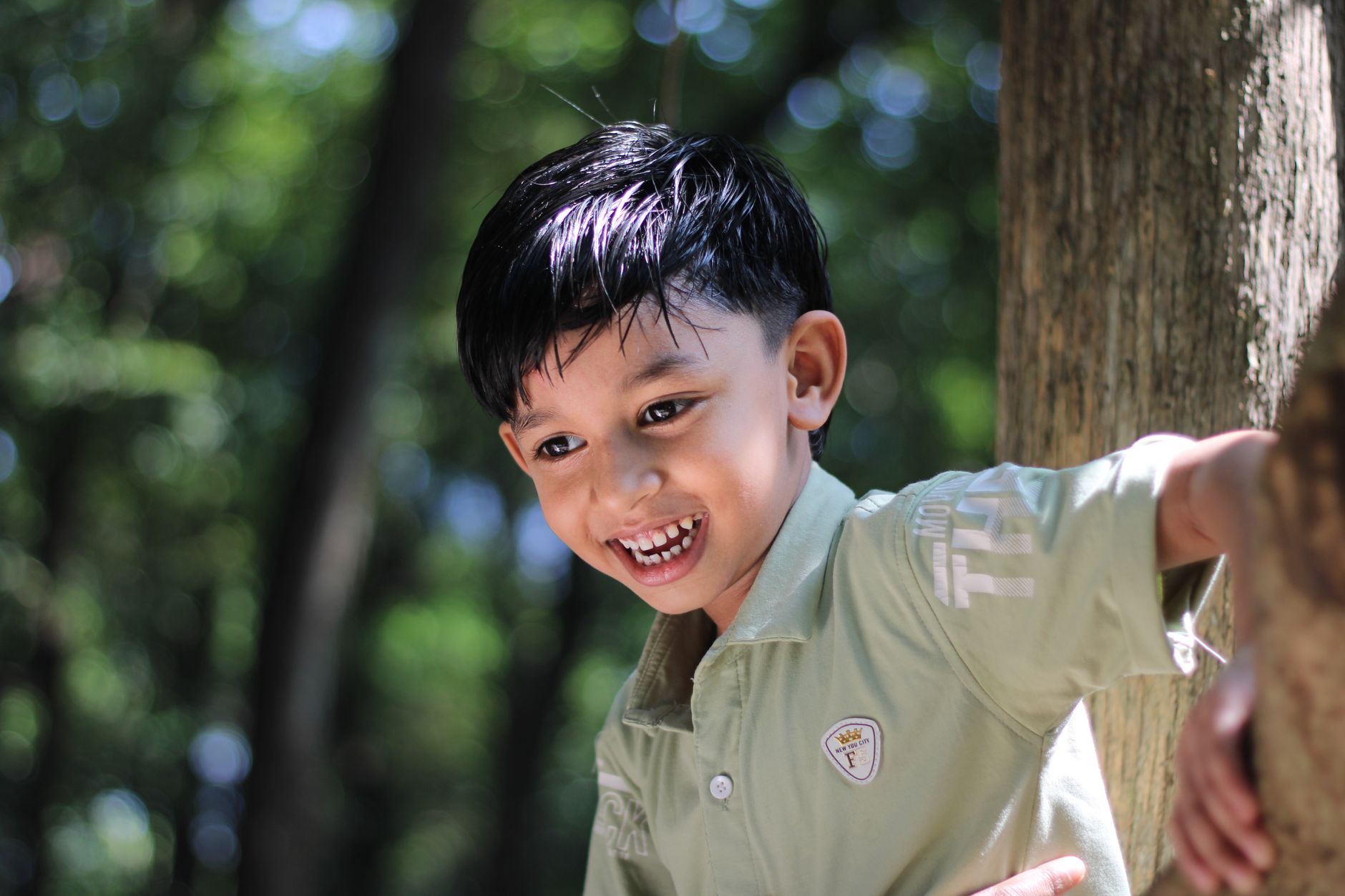
Remember your childhood? The endless hours spent building forts, playing pretend with friends, or simply chasing butterflies in the garden? That wasn't just fun and games; it was serious learning in disguise. For children, play is not a luxury or a mere pastime – it is the fundamental way they explore, understand, and interact with the world around them. From the simplest peekaboo with a baby to elaborate make-believe scenarios with older kids, play is a powerful engine for physical, cognitive, social, and emotional development. In India, where family values are strong and children often grow up with close-knit communities, the social aspects of play are particularly rich, fostering cooperation and understanding from a young age.
Why Play is Essential for Young Minds
Dr. Tiff Jumaily, a pediatrician, emphasizes that “Play is how children learn.” It’s a hands-on, experiential process that builds the very foundations of a child’s intellect and emotional well-being. Think of it as a child’s full-time job! Through play, they emulate what they observe, practice new skills, and experiment in a safe environment. This freedom allows them to be creative, test boundaries, and learn vital communication skills.
Play actively promotes healthy development and hones critical thinking. It strengthens memory, helps children grasp the concept of cause and effect, and empowers them to explore their surroundings and their place within them. As Dr. Mendez explains, “Young children learn how things fit together through play. It allows them to use their senses and encourages exploration and curiosity, and these skills are the foundation of intellectual development and cognitive processing.”
The magic of play also lies in its ability to spark imagination. Creative, open-ended play encourages children to conceptualize, brainstorm innovative ideas, and sharpen their critical thinking abilities. It’s where abstract thoughts begin to take shape and where problem-solving skills are first nurtured.
Physical Benefits: Building Strong Bodies and Minds
The physical advantages of play are significant and multifaceted. It plays a key role in developing both fine and gross motor skills. Imagine a toddler stacking blocks – this simple act refines their pincer grasp (fine motor skill) and hand-eye coordination. Then consider a child running and jumping in a park; this engages their larger muscle groups, improving balance, stamina, and overall body awareness (gross motor skills).
Dr. Mendez elaborates, “Play benefits motor development by encouraging movement [and the] understanding of spatial relations, promoting motor planning skills, and supporting balance and dexterity. It also supports gross motor skills, such as energy, stamina, flexibility, and body awareness.” Activities like running, jumping, swimming, building with blocks, dancing, riding bicycles, and even climbing trees are all fantastic examples of physical play. When facilitating these activities, especially in busy Indian cities, always remember to prioritize safety – helmets for cycling, supervision near water bodies, and ensuring play areas are secure are paramount.
Social Skills: Learning to Connect and Cooperate
Play is a vital social training ground. It teaches children how to interact with others, navigate group dynamics, and understand social cues. Through shared play, children learn the give-and-take of relationships: sharing toys, expressing their own ideas, actively listening to others, and finding common ground through compromise. These early social experiences lay the groundwork for forming healthy friendships and relationships throughout life.
Consider this scenario: A group of children in a neighbourhood park in Delhi are playing cricket. One child wants to bat, another wants to bowl, and a third insists on fielding in a specific spot. They might argue initially, but through negotiation and compromise, they establish rules and roles. This process teaches them about fairness, cooperation, and respecting different perspectives – all essential social skills.
Emotional Growth: Understanding Feelings and Building Resilience
Children also process complex emotions and new concepts through play. When a child experiences disappointment, like losing a game or not getting their way in pretend play, they learn to navigate feelings of sadness, frustration, or even anger in a controlled environment. This emotional processing is critical for building resilience and developing healthy coping mechanisms.
Furthermore, play boosts confidence and helps shape a child's sense of self. As they master new skills, overcome challenges in their play, and receive positive reinforcement, their self-esteem grows. Play allows them to experiment with different roles and identities, helping them understand who they are and what they enjoy.
Play and Stress Reduction
In our fast-paced world, stress can affect children too. Research indicates that play is a powerful antidote to stress. A study highlighted that play is associated with responses that help learning and effectively “work off stress.” Conversely, the absence of play can elevate stress levels. Dr. Jumaily notes, “When play and safe, stable, nurturing relationships are missing in a child’s life, toxic stress can disrupt their development.” Ensuring children have ample time and space for unstructured play is therefore crucial for their overall well-being and healthy development.
Types of Play and How to Encourage Them
The way children play evolves as they grow. For infants, playful interaction can begin early. Simple games like peekaboo, or gently singing rhymes while holding them, are forms of early playful learning. As they get older, they engage in more complex forms:
- Unoccupied Play: A baby observing their surroundings or making random movements.
- Solitary Play: A child playing alone, engrossed in their own activity.
- Onlooker Play: A child watching others play without joining in.
- Parallel Play: Children playing side-by-side with similar toys but not interacting directly. Common in toddlers.
- Associative Play: Children interacting and sharing materials but without a common goal.
- Cooperative Play: Children playing together with a shared goal, like building a castle or playing a game. This is the most complex form of social play.
Encouraging play doesn't always require expensive toys. Simple household items can be transformed into playthings. Encourage open-ended play with materials like building blocks, art supplies, dress-up clothes, and even cardboard boxes. Provide opportunities for both indoor and outdoor play, allowing for physical activity and exploration.
When to Seek Professional Guidance
While play is a natural and essential part of childhood, parents should be aware of certain signs. If a child consistently shows a lack of interest in play, withdraws significantly from social interactions, or exhibits extreme difficulty in processing emotions or managing behaviour during play, it might be beneficial to consult with a pediatrician or a child development specialist. These professionals can help assess the situation and provide appropriate guidance.
Frequently Asked Questions (FAQ)
Q1: How much time should a child spend playing each day?
There’s no strict time limit, but experts recommend ample unstructured, free play daily. This means allowing children to direct their own play without adult interference for significant periods. Aim for at least an hour or two of free play, in addition to structured activities like sports or music classes.
Q2: Can too much screen time affect a child's play?
Yes, excessive screen time can significantly displace opportunities for active, imaginative, and social play. It’s important to balance screen use with other forms of engagement and prioritize activities that promote physical, cognitive, and social development.
Q3: Is it okay for my child to play alone?
Absolutely. Solitary play is important for developing independence, focus, and self-entertainment skills. As long as the child is safe and engaged, playing alone is a healthy part of development.
Q4: How can I encourage my child to be more creative during play?
Provide open-ended toys and materials that don’t have a single defined use (like blocks, clay, art supplies). Encourage them to imagine scenarios, ask “what if” questions, and let them lead the play. Avoid over-directing; allow them space to explore their own ideas.