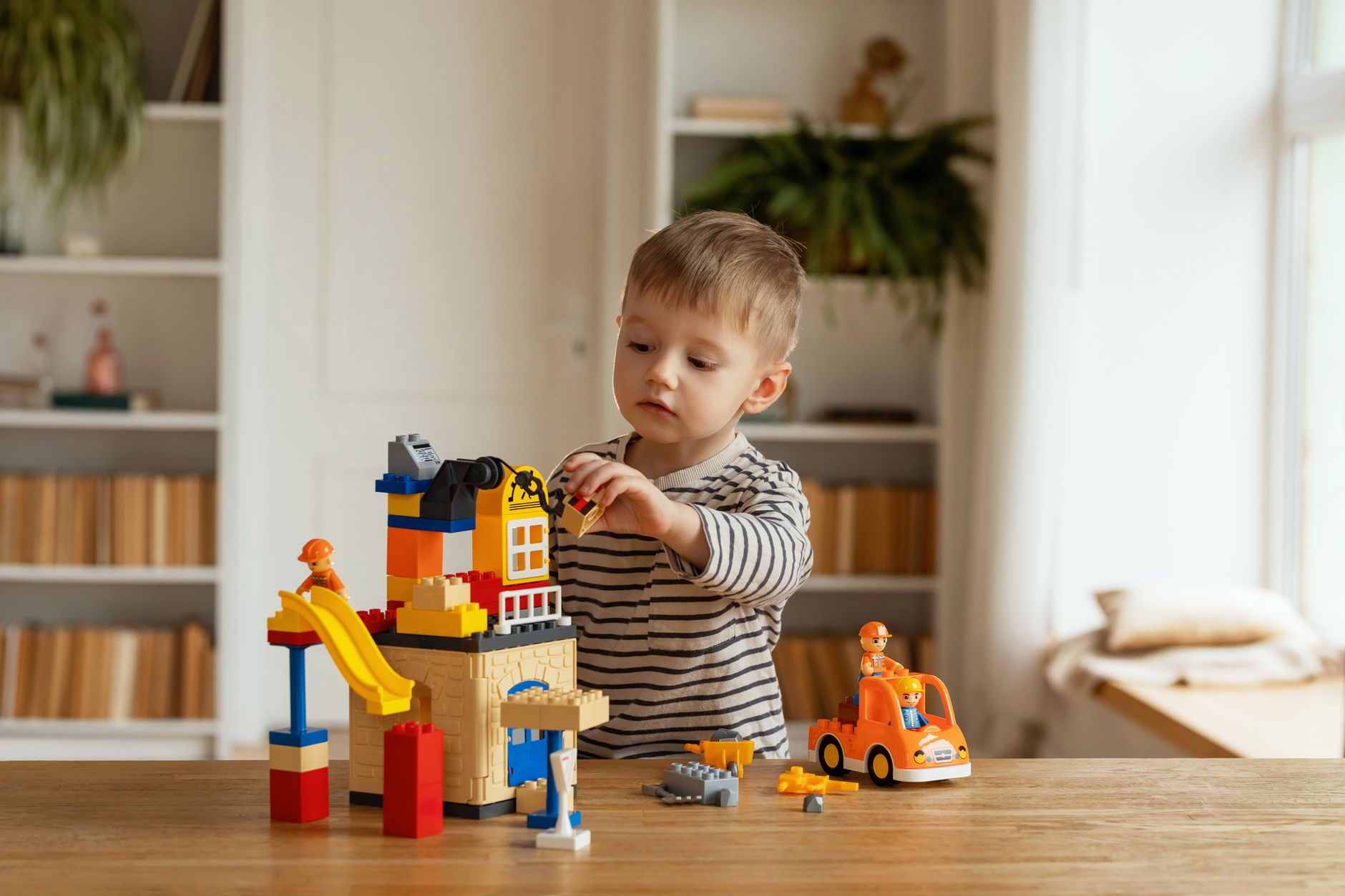
As parents in India, we often juggle numerous responsibilities, from ensuring our children get a good education to providing them with nutritious meals. Amidst this busy schedule, it's easy to overlook something as seemingly simple as play. However, play is not just a pastime for children; it's a fundamental building block for their overall development. From their earliest smiles to their energetic explorations, play is how children learn, grow, and make sense of the world around them. Let's explore why play is so vital and how we can encourage it in our children's lives. Why Play Matters: A Foundation for Learning Dr. Tiff Jumaily, a pediatrician, rightly states, “Play is how children learn.” This simple yet profound statement highlights the core purpose of play. It’s not merely about amusement; it’s an active process through which children develop a wide range of skills. Think about it: when a child builds a tower with blocks, they’re not just stacking objects. They’re learning about gravity, spatial relationships, problem-solving, and developing fine motor skills. When they engage in pretend play, they are stepping into different roles, understanding social dynamics, and fostering their imagination. The American Academy of Pediatrics (AAP) emphasizes that play is essential for healthy development. They’ve even found that a lack of play can increase stress in children, disrupting their development. This is particularly true when play, along with safe and nurturing relationships, is absent. Play, therefore, is not frivolous; it is brain-building. It helps children process new concepts, understand cause and effect, and explore their environment and their place within it. The Multifaceted Benefits of Play The advantages of play extend across several critical domains of a child’s development: 1. Cognitive Development: Building a Thinking Mind Play is a powerful tool for cognitive growth. Through play, children: Develop critical thinking skills: Figuring out how to solve a puzzle or overcome an obstacle in a game requires critical thought. Enhance problem-solving abilities: When a toy doesn't work as expected, a child learns to experiment and find solutions. Improve memory and concentration: Following the rules of a game or remembering sequences in a story strengthens memory. Understand cause and effect: Pushing a button and seeing a light turn on teaches basic principles of causality. Boost creativity and imagination: Pretend play, drawing, and storytelling allow children to explore new ideas and scenarios. Dr. Mendez notes, “Young children learn how things fit together through play. It allows them to use their senses and encourages exploration and curiosity, and these skills are the foundation of intellectual development and cognitive processing.” 2. Physical Development: Growing Strong and Agile Bodies Physical play is essential for developing both gross and fine motor skills. Activities like running, jumping, and climbing help develop: Gross motor skills: These include balance, coordination, stamina, and body awareness. Think of activities like cycling, swimming, or playing sports. Fine motor skills: These involve dexterity and precision, crucial for tasks like writing, drawing, or manipulating small objects. Building with small blocks or threading beads are great examples. “Play benefits motor development by encouraging movement [and the] understanding of spatial relations, promoting motor planning skills, and supporting balance and dexterity,” explains Mendez. These activities not only keep children healthy but also build confidence in their physical abilities. 3. Social Development: Learning to Connect and Cooperate Play is a child’s first introduction to social interaction. Through play, children learn: To interact with others: Sharing toys, taking turns, and collaborating on a game teach valuable social skills. To understand social rules and expectations: Games have rules, and following them helps children grasp the concept of social order. To communicate effectively: Expressing needs, listening to others, and negotiating are all practiced during play. To compromise and resolve conflicts: Disagreements inevitably arise, and children learn to find common ground and solutions. These interactions help children build friendships and develop a sense of belonging. 4. Emotional Development: Understanding and Managing Feelings Play provides a safe space for children to explore and process their emotions. Kim Wheeler Poitevien, a child therapist, says, “Kids process their emotions and new concepts through play.” Emotional expression: A child might act out a scenario involving a lost toy, processing feelings of sadness or frustration. Building resilience: Losing a game and learning to cope with disappointment builds emotional resilience. Developing self-esteem and identity: Successfully completing a challenging play activity boosts confidence and helps children understand who they are. Stress relief: Play is a natural stress reliever. According to a 2012 study, play is associated with responses that facilitate learning and work off stress. Playful Learning for Every Age The ways children play evolve as they grow. What’s engaging for a baby is different from what captivates a school-aged child. The key is to provide age-appropriate opportunities for exploration and interaction. For Infants (0-1 year): Even from their first smile, babies benefit from playful interactions. Simple activities like peekaboo, singing songs, or gently playing with rattles encourage sensory exploration and bonding. Holding your baby and making eye contact is a form of playful learning. For Toddlers (1-3 years): Toddlers love to explore their environment. Activities like building with large blocks, simple puzzles, playing with toy cars, or engaging in pretend play (like feeding a doll) are excellent. They are developing gross motor skills through running and climbing and fine motor skills through stacking. For Preschoolers (3-5 years): Preschoolers thrive on imaginative play. Dress-up, playing house, drawing, painting, and engaging with more complex building toys are great. They also enjoy simple board games that teach turn-taking and rule-following. For School-Aged Children (6+ years): Older children benefit from structured play like sports, board games, and creative projects. They can also engage in more complex pretend play scenarios and enjoy activities that challenge their problem-solving skills, like escape rooms or strategy games. Practical Ways to Encourage Play at Home As parents, we play a vital role in fostering a playful environment. Here are some practical tips: Make time for play: Set aside dedicated time each day for unstructured play, where your child can lead the activity. Join in the fun: Sometimes, getting down on the floor and playing with your child can strengthen your bond and encourage their creativity. Provide open-ended toys: Toys like blocks, art supplies, or dress-up clothes allow for endless possibilities, unlike single-purpose toys. Create a safe play space: Ensure your home has areas where children can explore safely, whether it's a corner for drawing or a space for building forts. Embrace outdoor play: Encourage activities like running in a park, playing with sand, or simply exploring nature. Remember safety, like using helmets for cycling. Limit screen time: While some educational apps can be beneficial, excessive screen time can detract from more developmentally rich forms of play. Imagine this scenario: Meena notices her daughter, Priya, spending hours engrossed in building elaborate structures with cardboard boxes and old newspapers. Instead of asking her to tidy up immediately, Meena sits down nearby and asks Priya about her “castle” and the “people” who live there. Priya, thrilled, elaborates on her creation, describing its defenses and the royal family. This simple interaction not only validates Priya’s imaginative play but also allows Meena to understand her daughter’s thought process and creativity. When to Seek Professional Guidance While play is a natural and essential part of childhood, there are times when seeking professional advice might be beneficial. If you notice: A significant lack of interest in playing or interacting with others. Difficulty with developmental milestones, such as delayed motor skills or speech. Excessive anxiety or distress during play. A persistent inability to engage in imaginative or creative activities. In such cases, consulting your pediatrician or a child development specialist can provide valuable insights and support. Frequently Asked Questions (FAQ) Is it okay if my child prefers playing alone? Yes, solitary play is normal and beneficial, especially for younger children or those who are more introverted. It allows for independent exploration and concentration. However, it’s also important to encourage opportunities for social play as they grow. How much playtime does a child need each day? There's no exact number, but experts recommend several hours of varied play each day. This includes active physical play, creative play, and social interaction. Prioritizing quality and variety over quantity is key. Are electronic games considered play? Some electronic games can offer cognitive benefits, problem-solving challenges, and even social interaction. However, they should not replace the rich, multi-sensory experiences offered by physical, creative, and imaginative play. Moderation is essential. What if my child is too stressed to play? If play is being impacted by stress, it's a sign that the underlying stressors need to be addressed. Creating a calm, supportive environment and encouraging relaxing forms of play, like gentle outdoor activities or quiet creative pursuits, can help. If stress is persistent, consult a healthcare professional. In summary, play is an indispensable component of a child's journey from infancy to adolescence. It’s the language through which they learn, connect, and grow. By understanding its importance and actively encouraging it, we provide our children
In summary, timely diagnosis, evidence-based treatment, and prevention-focused care improve long-term health outcomes.