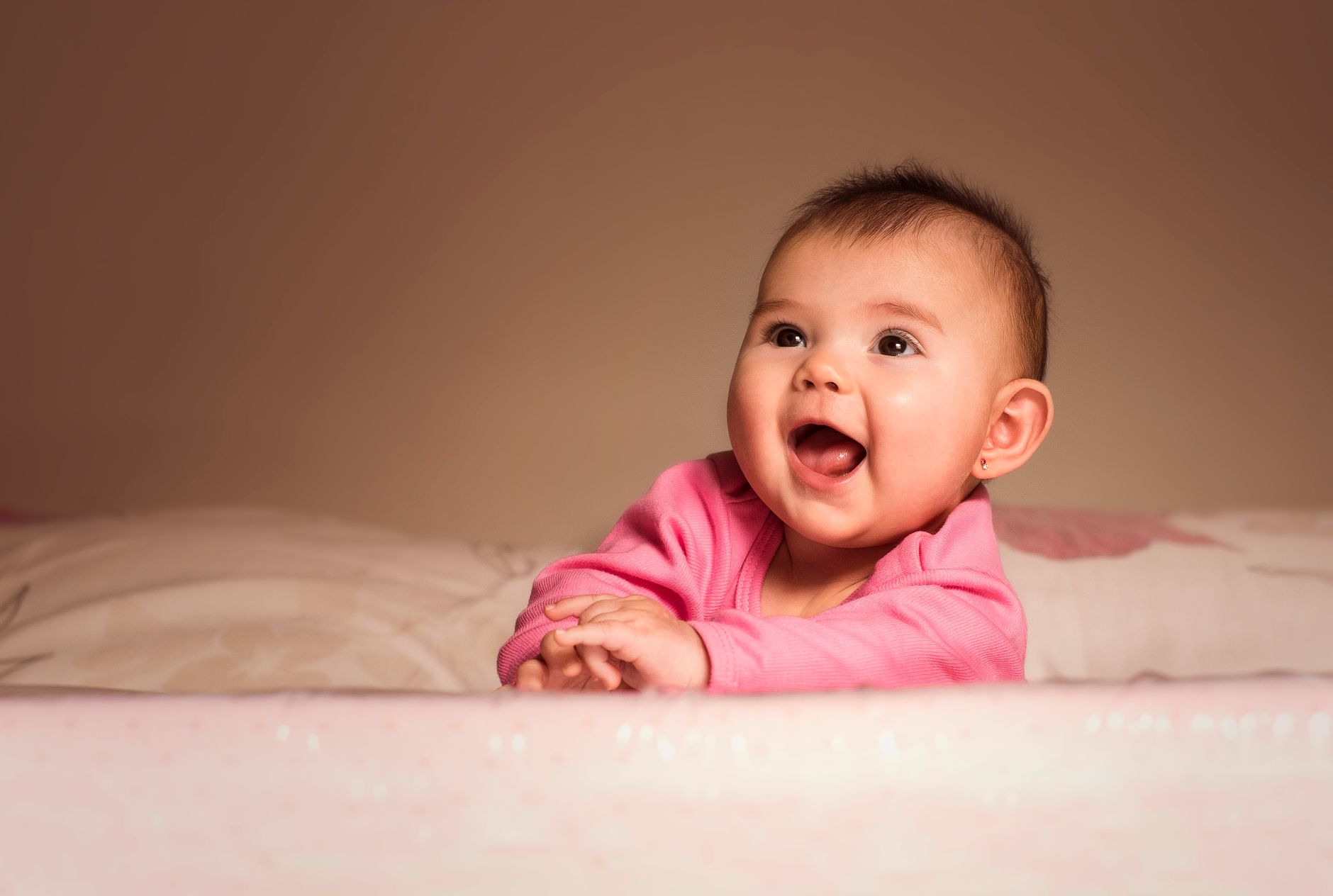
That adorable sound your baby makes, a mix of vowels and consonants strung together like little melodies? It’s not just cute noise; it’s the very foundation of language development! We call it babbling, and it’s one of the most fascinating stages in your baby’s journey to communication. From the first coos to the playful “bababa” and “dadada,” every sound your little one makes is a building block for speaking. You might hear your baby babbling away, seemingly to themselves, while playing or even during mealtime. It might sound like pure nonsense – random syllables without any clear meaning. And you’d be right, the words themselves don’t mean anything specific. But here’s the amazing part: this seemingly nonsensical babbling plays a profoundly important role in how your child learns to communicate. Speech pathologists, pediatricians, and child development experts all agree that babbling is a critical step towards mastering language. It’s how your baby begins to understand how to control their vocal cords, experiment with different sounds, and eventually, express themselves. Understanding Baby Talk: More Than Just Cute Sounds Babbling, sometimes referred to as “baby talk” or even “jargon” when it starts mimicking the intonation of real speech, is the process where infants produce random strings of vowels and consonants. It’s like they’re throwing sounds into a hat, mixing them up, and pulling them out again! While it doesn't make sense to us adults with fully developed language skills, for your baby, it’s a sophisticated form of practice. It’s their first foray into the complex art of putting sounds together and, eventually, assigning meaning to those sounds. Think of it as your baby’s personal sound laboratory. They are experimenting, learning the capabilities of their own voice, and discovering how different mouth movements create different noises. This exploration is absolutely essential for developing the muscle memory and control needed for clear speech later on. The Stages of Babbling: A Developmental Timeline Babbling isn't a one-size-fits-all phenomenon. It evolves as your baby grows, with distinct stages marking their progress. Understanding these stages can help you appreciate the incredible development happening right before your eyes! 1. Cooing and Gurgling (2 to 4 Months): The First Vocal Adventures In the initial couple of months, your baby’s primary way of communicating is through crying and, thankfully, smiling! Soon after, you’ll start hearing delightful coos and gurgles. These are typically long vowel sounds, like “oooo” or “aaaaa,” often produced when your baby is content or interacting with you. This is your baby’s very first step into intentional vocalization, a sign they’re beginning to engage with the world through sound. 2. Marginal Babbling (4 to 6 Months): Consonants Meet Vowels This is where things start getting more interesting! Your baby begins to experiment with combining vowel sounds with consonant sounds. These are usually single syllables, such as “da,” “ba,” or “ma.” It’s like they’re practicing the basic building blocks of speech, putting individual sounds together in simple pairs. You might notice them repeating these sounds, but not yet in a structured way. 3. Canonical Babbling (6 to 10 Months): Syllable Chains Emerge This is the stage most people associate with classic baby talk! Here, those single syllables start to get strung together. You’ll hear reduplicated babbling, where a baby repeats the same syllable multiple times, like “bababa,” “dadada,” or “mamama.” They might also engage in non-reduplicated babbling, mixing different syllables together, such as “bagoo” or “mabada.” This stage is a clear indication that your baby is developing a sense of rhythm and structure in their vocalizations, mimicking the patterns of real language. 4. Jargon Babbling (10 to 12 Months and Beyond): The Sound of Speech Mimicry As your baby approaches their first birthday, their babbling starts to sound more like actual speech. This is jargon babbling. While still not containing actual words, it incorporates the intonation, rhythm, and stress patterns of the language spoken around them. It sounds like they’re having a real conversation, complete with pauses and expressive tones, even though the sounds are still made up. This is a significant precursor to speaking their first real words. Why is Babbling So Important? The Science Behind the Sounds It’s easy to dismiss babbling as just a cute phase, but its significance in language development cannot be overstated. Here’s why: Articulatory Control: Babbling allows your baby to gain control over the muscles of their mouth, tongue, and jaw. By practicing a wide range of sounds, they’re training these muscles for the complex movements required for speech. Auditory Feedback: When your baby babbles, they hear the sounds they make. This auditory feedback helps them learn to differentiate sounds and understand how their own vocalizations affect their hearing. Social Interaction: Babbling is a form of communication. Your baby babbles to get your attention, to express excitement, or to engage with you. Responding to their babbling, by talking back, singing, or making similar sounds, reinforces their communication efforts and encourages further vocalization. A 2017 study highlighted that these “conversations” between mothers and babies, where mothers respond to babbling, significantly shape language development. Babies aren’t just babbling; they’re actively eliciting responses to learn how to converse! Cognitive Development: The process of babbling involves memory, imitation, and experimentation, all of which are key cognitive functions. It helps babies learn cause and effect – if I make this sound, my parent smiles or responds. Foundation for Words: The sounds and syllable structures practiced during babbling form the phonetic inventory from which your baby will eventually form their first words. They are essentially practicing the sounds that make up their native language. How You Can Encourage Your Little Babbler As a parent or caregiver, you play a vital role in nurturing your baby’s language development through babbling. Here’s how you can encourage this wonderful process: Talk, Talk, Talk: Narrate your day. Describe what you’re doing, what you see, and what your baby is doing. Use simple language and a slightly higher-pitched, more melodic tone – babies often respond well to this “parentese.” Respond to Babbling: When your baby babbles, respond enthusiastically! Make eye contact, smile, and “talk” back to them. Imitate their sounds or use them as a springboard for your own vocalizations. This shows them that their communication efforts are valued and understood. Read Together: Even from a young age, reading books with colorful pictures can expose your baby to new words and sounds. Point to pictures and name them. Sing Songs and Rhymes: Songs and nursery rhymes are fantastic for introducing rhythm, rhyme, and varied sounds. The repetitive nature of many children’s songs is perfect for little learners. Play Sound Games: Make fun sounds, use animal noises, or play simple imitation games. Encourage your baby to echo sounds you make. Limit Screen Time: While some educational apps exist, real-life interaction and conversation are far more beneficial for language development than passive screen time. When Does Babbling Stop? Babbling typically peaks between 6 and 10 months. As your baby approaches 12 months and starts to say their first recognizable words (like “mama” for mother or “dada” for father, and assign them to the correct person), the amount of babbling usually decreases. However, some babbling may continue even after they start speaking in words, especially when they are excited or exploring new ideas. By around 15 months, while they might not be talking non-stop (as the saying jokingly goes!), their verbal communication will have significantly advanced beyond simple babbling. When to Consult a Doctor While babbling is a natural part of development, there are times when seeking professional advice is wise. If your baby shows no signs of vocalization (cooing, babbling) by 9-10 months, or if they seem to be losing skills they previously had, it’s a good idea to discuss it with your pediatrician. Additionally, if you have concerns about your baby’s hearing, as hearing is fundamental to speech development, consult your doctor. Early intervention can make a significant difference if there are any developmental delays. Frequently Asked Questions (FAQ) Q1: My 7-month-old only babbles “mamama.” Is this normal? A1: Absolutely! “Mamama,” “dadada,” and “bababa” are classic examples of canonical babbling, where babies repeat single syllables. It’s a sign of healthy development and their way of practicing the building blocks of language. Keep responding to them, and they’ll soon start mixing up those sounds! Q2: Should I worry if my baby doesn’t seem to babble much? A2: Every baby develops at their own pace. However, if your baby isn’t cooing or babbling by around 9 months, or if you have any concerns about their overall development or hearing, it’s best to consult your pediatrician. They can assess your baby’s development and provide guidance. Q3: How is babbling different from cooing? A3: Cooing typically refers to the vowel-like sounds (like “ooo” or “aaa”) babies make between 2 and 4 months. Babbling, which starts around 4-6 months, involves combining consonant and vowel sounds into syllables (like “ba” or “da”) and later stringing them together. Q4: Can babies babble in different languages? A4: Yes! While early babbling involves
In summary, timely diagnosis, evidence-based treatment, and prevention-focused care improve long-term health outcomes.