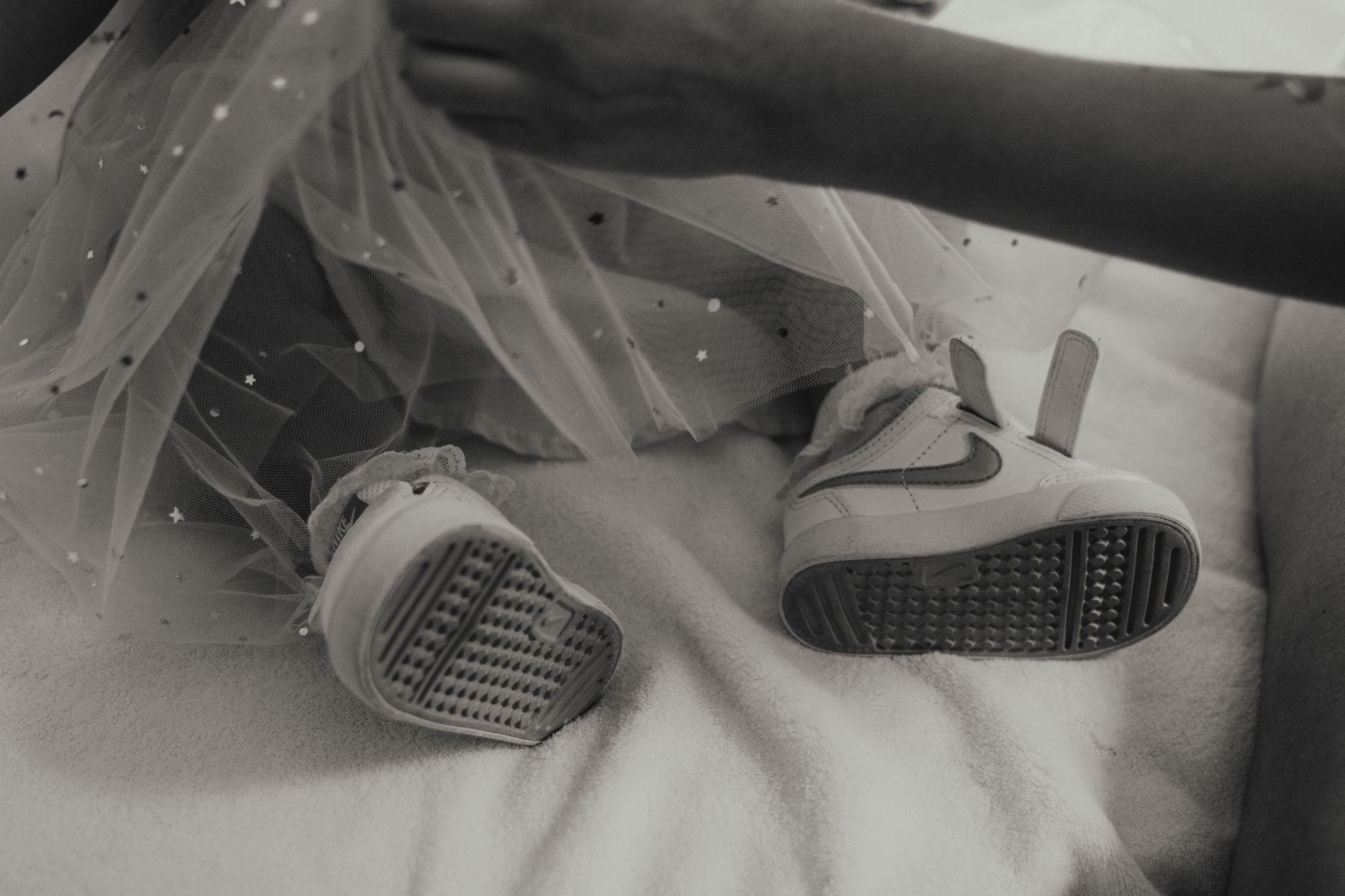
There’s a certain magic in seeing your little one take their first steps, and with those steps often comes the desire for tiny, adorable shoes. While they might not be the most practical necessity for newborns, baby shoes can be a fun accessory, a way to keep little feet warm during outings, or a protective layer once your baby starts exploring the world on their own two feet. But with so many options available, how do you pick the perfect pair? This guide will walk you through everything you need to know about choosing the best baby shoes, from understanding when your baby actually needs them to what features to look for.
Do Babies Really Need Shoes?
This is a question many parents ponder. The general consensus from experts like the American Podiatric Medical Association (APMA) is that babies who are not yet walking do not need shoes. In fact, going barefoot can be beneficial for them. It allows their feet to move, stretch, and develop naturally. Think of it as their feet getting a good workout! For infants who are crawling or still being carried, socks or soft booties are usually sufficient to keep their feet warm and comfortable.
The need for shoes arises primarily once your baby starts walking. At this stage, shoes play a vital role in protecting their delicate feet from rough surfaces, sharp objects, and extreme temperatures when they venture outdoors. Even if they are just beginning to cruise around the house or take tentative steps in the garden, a pair of well-chosen shoes can offer crucial protection.
When Can a Baby Start Wearing Shoes?
The key milestone is walking. As soon as your baby begins to stand independently and take steps, it’s time to consider shoes for outdoor excursions. This usually happens between 9 to 18 months of age, but every baby develops at their own pace. Don't rush it! For indoor play, if the floor is safe and clean, letting them be barefoot or wear socks can still be beneficial for foot development. However, for outdoor adventures, even short walks in the park or trips to the grocery store, shoes become essential.
Consider this scenario: Maya’s 14-month-old son, Rohan, has just started walking. He loves exploring the garden, but Maya worries about the uneven grass and small pebbles. She needs a pair of shoes that offer good grip and protection for his wobbly steps as he discovers the joys of the outdoors.
What Makes a Good Baby Shoe? Key Features to Look For
Choosing the right shoe involves looking beyond just the cute design. Several functional aspects are paramount for your baby’s foot health and comfort:
- Soles: Look for shoes with flexible, non-slip soles. Flexibility allows your baby’s foot to move naturally, mimicking the sensation of being barefoot. This is vital for proper foot muscle development. The non-slip aspect provides much-needed traction, preventing tumbles on smooth surfaces. A sole that is too stiff can hinder natural foot movement and potentially affect gait development.
- Padding: While flexibility is key, some padding is beneficial. Gentle padding around the heel and ankle area can prevent chafing and blisters, especially when the shoes are new or if your baby has sensitive skin. However, ensure the padding doesn’t make the shoe too tight or restrictive.
- Closures: Getting shoes on a wiggly baby can be a challenge! Shoes with Velcro straps, elastic openings, or zippers are often the easiest to manage. While laces might look stylish, they can be difficult to tie securely and may come undone easily. Easy-to-use closures ensure a snug yet comfortable fit without much fuss.
- Size and Fit: This is perhaps the most critical factor. Baby feet grow rapidly, so always check the manufacturer’s sizing guide, as sizes can vary significantly between brands. Ensure there’s about a thumb’s width of space between your baby’s longest toe and the end of the shoe. The shoe should not be too tight or too loose. Regularly check the fit, as your baby might outgrow their shoes in just a few months.
- Coverage: Shoes that fully cover the foot offer the best protection against splinters, stubbed toes, and other potential injuries. While open-toed sandals might seem appealing for warm weather, they leave little feet vulnerable. Opt for closed-toe designs for everyday wear, especially when your child is still mastering their balance.
Top Picks for Different Needs
Based on expert advice and parent feedback, here are some types of baby shoes that cater to various needs:
Best for Initial Steps and Warmth:
Hudson Baby Fleece Booties: These are often recommended for their warmth and comfort, especially for infants who are not yet walking but need protection during cooler weather outings. They typically feature grips on the bottom for added stability and are machine washable, making them practical for parents.
Best for Crawlers and Early Walkers:
Freshly Picked City Mocc: These soft leather moccasins are popular for their flexibility and stylish appearance. They have a rough sole that offers good traction, which is beneficial for babies who are crawling and starting to pull themselves up or take their first steps. The elastic opening helps them stay on securely.
Best for Babies Learning to Walk:
Stride Rite Soft Motion Jamie Sneaker: Stride Rite is a brand known for its focus on children's foot development. These sneakers are designed with a focus on flexibility and cushioning, providing support and protection for babies actively learning to walk. They often feature rounded soles to minimize tripping and secure closures.
Best for Winter Protection:
Ugg Bixbee: For very cold weather, insulated and waterproof options are ideal. Brands like Ugg offer fleece-lined booties that provide excellent warmth and a degree of protection against the elements, making them suitable for winter strolls.
Best for Special Occasions:
Converse Chuck Taylor All Star Low Top Shoe: While not ideal for everyday wear due to less flexibility and support compared to specialized baby shoes, classic sneakers like Converse can be a cute option for short periods during special events. Ensure they fit well and are not worn for extended periods of active play.
Best Budget-Friendly Option:
Meckior Infant Shoe: Many affordable brands offer soft-soled shoes that meet the basic requirements of flexibility and comfort. These are great for parents who want a functional pair without a high price tag, especially considering how quickly babies grow.
Best for Wide Feet:
See Kai Run Stevie (First Walker): Some babies have wider feet, making it difficult to find comfortable shoes. Brands like See Kai Run often offer styles designed with wider toe boxes and adjustable closures to accommodate different foot shapes comfortably.
Avoiding Common Mistakes
As you shop, be mindful of these common pitfalls:
- Buying shoes that are too big: While you want room to grow, shoes that are excessively large can cause tripping and hinder proper walking mechanics.
- Opting for stiff, inflexible soles: These restrict natural foot movement and can interfere with development.
- Choosing shoes with poor grip: Slippery soles are a recipe for falls and injuries.
- Forgetting to check the fit regularly: Babies' feet grow incredibly fast. A shoe that fit last week might be too small this week.
When to Consult a Doctor or Podiatrist
While most babies’ feet develop normally without intervention, there are times when professional advice is beneficial. If you notice any of the following, it’s a good idea to consult your pediatrician or a pediatric podiatrist:
- Your baby consistently walks on their tiptoes.
- You observe an unusual gait or a limp.
- Your baby complains of foot pain or discomfort.
- You notice any significant deformities in the feet or toes.
- Your baby’s feet seem unusually wide or narrow, making shoe fitting difficult.
A healthcare professional can assess your baby’s foot development, identify any potential issues early on, and provide personalized recommendations for footwear and exercises if needed.
FAQ Section
Q1: Can my baby wear sandals?
For short periods and in safe environments, yes. However, for everyday wear and active play, closed-toe shoes are generally safer and offer better protection against injuries like stubbed toes or splinters.
Q2: How often should I check my baby’s shoe size?
It’s recommended to check the fit every 1-2 months, especially during the first two years, as babies’ feet grow rapidly. Look for signs like red marks on the feet after wearing shoes or if your baby seems uncomfortable.
Q3: What are 'first walker' shoes?
First walker shoes are specifically designed for babies who have started walking. They typically have more support than soft booties but are still flexible and lightweight, with non-slip soles to help provide stability and confidence as they learn to walk.
Choosing the right shoes for your baby is an important step in supporting their development and ensuring their comfort and safety. By focusing on flexibility, fit, and function, you can find pairs that will help your little one explore the world with confidence, one tiny step at a time.