Oh No! Your Toddler Chipped a Tooth! What Now?
Seeing your little one’s bright smile is one of life’s greatest joys. But what happens when that smile is suddenly marred by a chipped tooth? As a parent in India, this can be a moment of panic. Your toddler is exploring the world, learning to walk, run, and jump – and with all that exciting movement comes the inevitable tumble. These tiny teeth, though precious, can be quite fragile. If your little explorer takes a spill and lands on their face, a tooth might just chip. First things first: take a deep breath. You are not a bad parent! These accidents happen to the best of us, and you’ll likely find many of your parent friends have navigated similar dental dramas with their own children. The good news? Toddlers have primary teeth, or baby teeth, which will eventually fall out to make way for their permanent adult teeth. This guide is here to help you understand what to do next, what to look out for, and when to seek professional help.
Immediate Steps: What to Check for Right Away
The very first thing to do is stay calm. Your composure will help your child feel more secure. Once you’ve taken that calming breath, assess the situation. Is your child having any trouble breathing or swallowing? This is a critical sign. Difficulty breathing or swallowing could mean they’ve swallowed a piece of the broken tooth, or that the injury is obstructing their airway. If you suspect either of these scenarios, or if your child exhibits any other alarming symptoms, head to the nearest emergency room immediately. Your child's well-being is the top priority.
If there’s no immediate danger, the next step is to look for the missing tooth fragment. Sometimes, larger pieces are easy to spot. Other times, the tooth might break into tiny fragments that are harder to find. Don't worry if you can't locate the pieces – it's perfectly okay. If you do find a fragment, carefully place it in a clean container. Ideally, keep it moist with milk or your child's saliva. This can sometimes help dentists in preserving the fragment for potential reattachment.
What to Expect After the Injury: Symptoms to Watch For
Once your little one has recovered from the initial shock of the accident, you might notice several changes in and around the injured tooth and gums. It’s important to be observant during this period.
- Tooth Sensitivity: If a significant piece of the tooth broke off, the underlying nerve might be exposed. This can make the tooth extremely sensitive to hot or cold foods and drinks, or even just touch.
- Bleeding: You might see some blood coming from the tooth or the surrounding gums. Apply gentle pressure with a clean, wet piece of gauze to the area. This usually helps stop minor bleeding.
- Pain: Your child might complain of pain. If they are uncomfortable, you can administer an age-appropriate, over-the-counter pain reliever. If you’re unsure about the correct dosage or type of medication, don't hesitate to call your pediatrician for guidance. They can provide specific recommendations for your child.
- Swelling: Swelling in or around the mouth is also common. This could be due to the direct injury or if your child accidentally bit their tongue or lip during the fall. A cold compress applied to the affected area can help reduce inflammation.
- Discoloration: The injured tooth might change color. It could turn gray, black, or even reddish. This is often like a bruise on the tooth and may fade over time. However, if the discoloration persists, it's a good idea to consult a dentist. This can sometimes indicate internal damage to the tooth.
- Difficulty Eating: Until you’ve had the tooth checked by a professional, it’s best to avoid giving your child hard or crunchy foods. Stick to softer options to prevent further damage or discomfort.
Why Do These Injuries Happen? Understanding the Causes
Toddlers are naturally curious and energetic explorers. Their world is a playground, and they are constantly testing their physical limits. Common scenarios leading to chipped or broken baby teeth include:
- Falls: This is the most common culprit. Toddlers are still developing their balance and coordination. A simple trip, a stumble while running, or falling from a low height can result in facial impact.
- Bumps and Collisions: Playing with other children, running into furniture, or even accidental bumps during play can cause dental trauma.
- Direct Impact: Sports or active play, even at a young age, can sometimes lead to direct blows to the mouth.
- Accidents with Objects: Less commonly, a toddler might chip a tooth by biting down on a hard object or through an accident involving toys or utensils.
When to See a Dentist: Professional Guidance is Key
While many chipped baby teeth don't require immediate emergency intervention, it's always wise to seek professional dental advice. Here’s when you should definitely make that appointment:
- Any Chipped or Broken Tooth: Even if the chip seems minor, it’s best to have a dentist examine it. They can assess the extent of the damage, check for nerve involvement, and recommend the appropriate course of action.
- Bleeding or Severe Pain: If the bleeding doesn’t stop with gentle pressure or if your child is in significant pain, a dental visit is necessary.
- Signs of Infection: Look out for increased swelling, pus, or a fever. These could indicate an infection and require prompt dental attention.
- Discoloration: As mentioned earlier, persistent discoloration warrants a dental check-up.
- If Your Child Has Never Seen a Dentist: The American Dental Association recommends that children have their first dental visit by age 1. If your toddler hasn't seen a dentist yet, an injury is a good reason to start. If you don’t have a pediatric dentist, ask your own dentist for a referral.
Diagnosis and Treatment Options
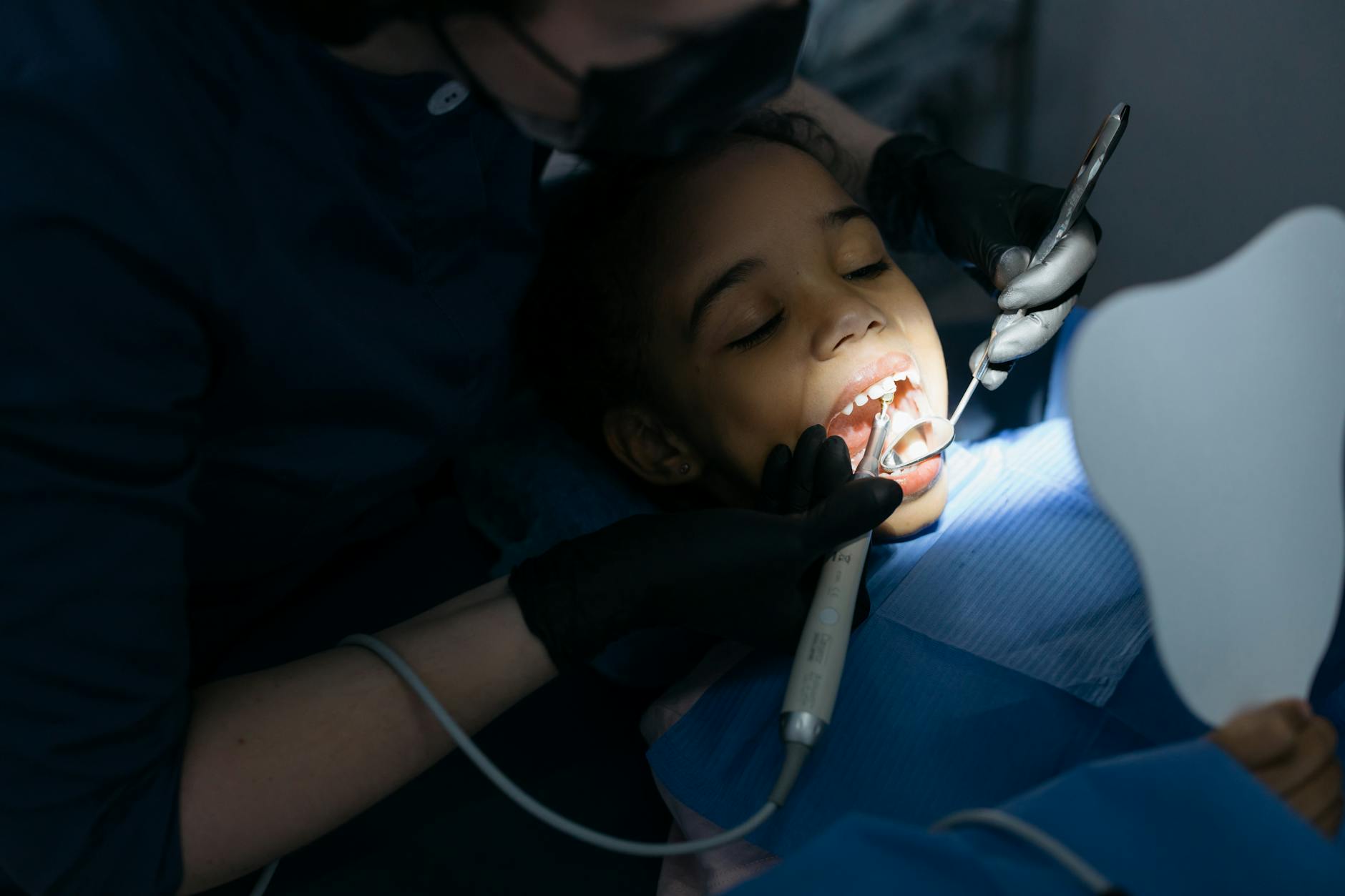
When you visit the dentist, they will first examine your child’s mouth and teeth. They might use a small mirror and light to get a good look at the injured tooth and surrounding gums. In some cases, especially if there’s concern about damage to the tooth’s root or jawbone, dental X-rays might be taken. Remember, X-rays for young children are safe and use minimal radiation.
Treatment for a chipped baby tooth depends on the severity of the chip:
- Minor Chips: For very small chips that don't affect the tooth's structure or cause sensitivity, the dentist might simply smooth the rough edge. No further treatment may be needed.
- Larger Chips: If a larger piece of the tooth is missing, but the nerve isn't exposed, the dentist might use a tooth-colored filling material (composite resin) to restore the tooth’s shape and appearance. This is a common and effective procedure.
- Exposed Nerves: If the chip is deep and exposes the nerve, more complex treatment might be required. Sometimes, a pulp capping procedure can be done to protect the nerve. In severe cases, if the tooth is badly damaged or the nerve is irreversibly injured, the dentist might recommend extracting the tooth.
- Tooth Extraction: If a baby tooth needs to be removed due to the injury, the dentist will ensure it’s done safely. They might recommend a space maintainer, a small dental device that keeps the gap from closing until the permanent tooth is ready to erupt. This is important to ensure proper alignment of adult teeth later.
Prevention: Can Chipped Teeth Be Avoided?
While you can’t eliminate all risks, you can take steps to minimize the chances of your toddler chipping a tooth:
- Child-Proof Your Home: Ensure your home is safe for a mobile toddler. Pad sharp corners of furniture, secure rugs, and keep walkways clear.
- Supervise Playtime: Always supervise your toddler during active play, both indoors and outdoors.
- Promote Safe Play: Encourage activities that are age-appropriate and less prone to falls.
- Dental Check-ups: Regular dental visits are essential. Dentists can identify potential issues and offer advice on maintaining good oral hygiene and preventing injuries.
- Proper Nutrition: Stronger teeth are generally more resilient. Ensure your child has a balanced diet rich in calcium and vitamin D.
Frequently Asked Questions (FAQ)
Q1: My toddler chipped a baby tooth. Will it affect their adult teeth?
Generally, a chipped baby tooth will not directly affect the development of the adult tooth underneath. However, severe trauma that damages the baby tooth can sometimes impact the developing permanent tooth. Also, if a baby tooth is lost prematurely due to injury, it can affect the alignment of the adult teeth that follow. This is why a dental evaluation is important.
Q2: My child swallowed a piece of their chipped tooth. What should I do?
If you suspect your child has swallowed a tooth fragment, especially if they are experiencing any breathing or swallowing difficulties, seek immediate medical attention at an emergency room. For smaller fragments, it will likely pass through their system without issue, but it's always best to get checked out by a doctor if you have concerns.
Q3: My toddler’s chipped tooth looks gray. Is this serious?
A gray or discolored tooth can indicate that the nerve inside the tooth has been damaged or has died. This is called internal resorption. While it might not cause immediate pain, it requires a dental evaluation. The dentist can determine the extent of the damage and recommend treatment, which might range from monitoring to extraction if the tooth is non-vital.
Q4: How can I make my toddler comfortable after chipping a tooth?
Offer soft foods, ensure they are drinking enough fluids, and use age-appropriate pain relievers if needed. A cold compress can help with swelling. Most importantly, offer comfort and reassurance. Your calm presence will help them feel secure.
When to Seek Immediate Medical Attention
While a chipped tooth can be alarming, most situations are manageable. However, always seek immediate medical attention at an emergency room if your child exhibits any of the following:
- Difficulty breathing
- Difficulty swallowing
- Uncontrolled bleeding from the mouth
- Signs of a serious head injury (e.g., loss of consciousness, vomiting, confusion)
Remember, as parents, our instinct is to protect our children. Dealing with a dental emergency can be stressful, but knowing the right steps to take can make a significant difference. Regular dental check-ups and a safe home environment are your best allies in keeping that precious smile healthy and intact.