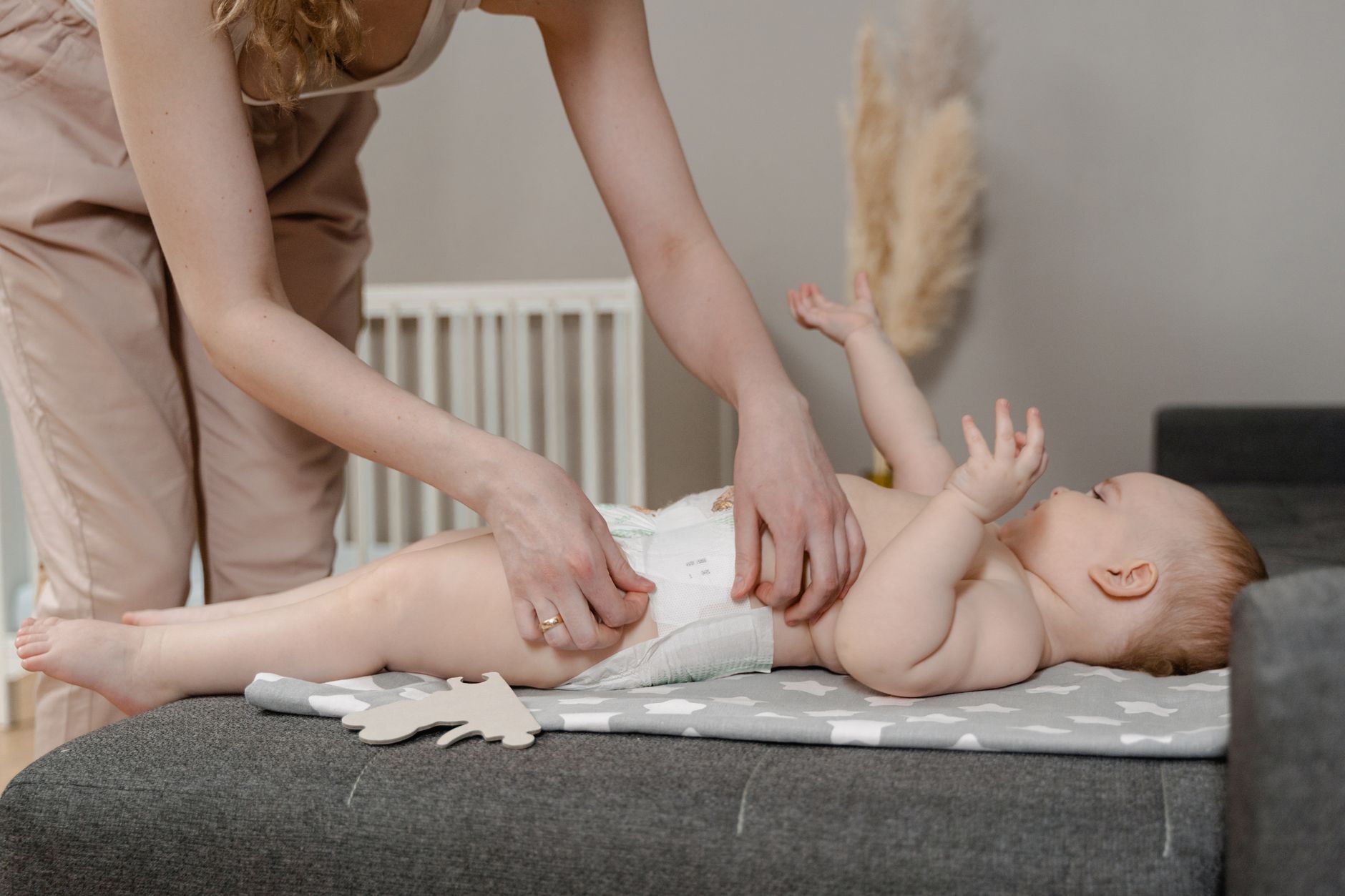
It's a common concern for parents: that angry red rash on your baby's bottom. Diaper rash can appear suddenly, causing discomfort for your little one and distress for you. You might feel helpless, but understanding the different types of diaper rash is the first step towards effective treatment. This guide will help you identify the causes and find the best solutions to soothe your baby's skin.
Diaper rash is incredibly common. In fact, at least half of babies between 4 and 15 months old experience it at least once in a two-month period. It’s not a reflection of your parenting skills; it’s just a common occurrence in a baby's early years. Your baby's skin is delicate and exposed to a lot under a diaper – urine, feces, and the friction from movement all play a role. Fortunately, most diaper rashes can be managed at home with the right approach.
Common Causes of Diaper Rash
The primary culprits behind diaper rash are usually irritants like urine and feces. When your baby's skin is exposed to moisture and irritants for too long, it can become red, inflamed, and sore. This is often referred to as irritant contact dermatitis.
When your baby starts eating solid foods, you might notice an increase in diaper rash. Certain foods can make your baby's stools more acidic or cause them to poop more frequently, both of which can irritate the delicate skin in the diaper area. This is why it's important to pay attention to your baby's diet and how it affects their skin.
Irritant Contact Dermatitis
This is the most common type of diaper rash. It appears as red, shiny, and warm skin, typically on the buttocks, thighs, and genitals. It usually doesn't affect the skin folds.
What causes it? Prolonged exposure to urine and feces in a wet diaper. Also, harsh soaps, detergents in diaper wipes, or even friction from a diaper that's too tight can trigger it.
Scenario: Imagine you're on a long car journey, and you can't change your baby's diaper as frequently as usual. By the time you get home, you notice a red, sore-looking rash developing on your baby's bottom.
Allergic Reactions
Sometimes, a diaper rash can be a sign of an allergic reaction to something your baby has come into contact with. This could be a new brand of diapers, baby wipes, laundry detergent used to wash cloth diapers, or even a new diaper cream.
What causes it? An immune system response to an ingredient in diapers, wipes, lotions, or soaps. These rashes can sometimes look similar to irritant rashes but may also present with itching or bumps.
How long does it take? Allergic reactions can take time to appear. Symptoms might not show up for one to three weeks after the first exposure to the allergen. Identifying the cause can be tricky, so you might need to think back over recent changes to your baby's routine or products.
Yeast Infections (Candida)
Fungal infections, particularly by the Candida yeast, are another common cause of diaper rash. These thrive in warm, moist environments, making the diaper area a perfect breeding ground.
What causes it? The Candida yeast naturally lives on the skin but can overgrow when the skin's barrier is compromised, such as by prolonged wetness or irritation. Antibiotic use in the baby (or even the breastfeeding mother) can also disrupt the natural balance of yeast and bacteria.
Appearance: Yeast rashes are often bright red, can have small red dots or pimples (satellite lesions), and typically appear in the skin folds, like the groin area, which are often hidden by the diaper.
Treatment: These rashes require antifungal creams, often available over-the-counter. If the rash doesn't improve after a few days of using antifungal treatment, consult your doctor.
Bacterial Infections
Less common but more serious, bacterial infections can also cause diaper rash. If the skin is broken due to irritation or scratching, bacteria can enter and cause an infection.
What causes it? Bacteria like Staphylococcus or Streptococcus can infect the irritated skin. These rashes can develop into pus-filled sores or blisters.
Appearance: Look for blisters, pustules, or open sores. The rash might spread beyond the typical diaper area.
Treatment: Bacterial infections usually require topical or oral antibiotics prescribed by a doctor. It's important to seek medical advice promptly if you suspect a bacterial infection, as it can spread.
Other Skin Conditions
Occasionally, diaper rash can be a symptom of an underlying skin condition, such as seborrheic dermatitis (eczema) or psoriasis. These conditions can affect the diaper area, presenting as redness, scaling, or thickening of the skin.
Seborrheic Dermatitis: This is a common condition that usually affects the scalp (cradle cap) but can also appear on the face, neck, and diaper area. It typically looks like red, greasy scales. While it can be concerning, seborrheic dermatitis in the diaper area often resolves on its own by the time a baby is 6 months to 1 year old. Treatment usually involves gentle cleansing and sometimes mild steroid creams if recommended by a doctor.
Psoriasis: While less common in infants, psoriasis can occur in the diaper area, presenting as well-defined red patches. If you suspect psoriasis, a doctor's diagnosis is essential for proper management.
When to Seek Medical Advice
Most diaper rashes can be managed at home. However, some signs indicate that you should consult your pediatrician or a healthcare professional:
- The rash doesn't start to improve after 2-3 days of consistent home treatment.
- You see blisters, open sores, or pus-filled bumps.
- The rash is spreading rapidly or looks significantly worse.
- Your baby develops a fever along with the rash.
- The rash seems extremely painful for your baby.
- You suspect an allergic reaction or a fungal/bacterial infection.
Your doctor can accurately diagnose the type of rash and recommend the most effective treatment, which might include prescription creams or oral medications.
Preventing Diaper Rash
Prevention is always better than cure! Keeping your baby's skin clean, dry, and protected is key:
- Frequent Diaper Changes: Change your baby's diaper every 2 to 3 hours, or immediately after they have a bowel movement. Don't forget nighttime changes if needed.
- Gentle Cleaning: Use plain water and a soft cloth, or fragrance-free, alcohol-free baby wipes. Pat the area dry gently with a clean towel instead of rubbing.
- Air Time: Allow your baby some diaper-free time each day. Lay them on a towel or waterproof mat to let their skin breathe and dry naturally. Even 10-15 minutes a few times a day can make a difference.
- Barrier Creams: Apply a thick layer of a barrier cream or ointment containing zinc oxide or petroleum jelly at each diaper change, especially before bedtime and long outings. This creates a protective shield between the skin and moisture.
- Diaper Fit: Ensure the diaper isn't too tight. A loose-fitting diaper allows for better air circulation and reduces friction. If using cloth diapers, make sure they are rinsed thoroughly to remove detergent residue.
- Diet Awareness: If you notice rashes correlating with the introduction of new solid foods, observe which foods might be causing irritation and discuss with your pediatrician.
Treating Diaper Rash
The treatment approach depends on the type of rash:
For Irritant Dermatitis:
- Follow all the prevention tips above, with extra emphasis on keeping the area clean and dry.
- Use a good quality barrier cream with zinc oxide at every change.
- If the rash is persistent, your doctor might suggest a mild hydrocortisone cream for a short period.
For Yeast Infections:
- Use an over-the-counter antifungal cream (containing ingredients like clotrimazole or miconazole).
- Continue using the antifungal cream for a few days after the rash clears to ensure the infection is fully treated.
- Keep the area as dry as possible.
- If the rash doesn't improve within a week of using antifungal cream, see your doctor.
For Allergic Reactions:
- Identify and eliminate the suspected allergen. This might involve switching diaper brands, wipes, or laundry detergents.
- Keep the area clean and dry.
- A mild hydrocortisone cream might be recommended by your doctor to reduce inflammation.
For Bacterial Infections:
- Requires a prescription from your doctor, usually a topical or oral antibiotic.
- Follow the doctor's instructions carefully.
Dealing with diaper rash can be challenging, but with consistent care and the right approach, you can help your baby feel more comfortable quickly. Remember, if you're ever in doubt, your pediatrician is your best resource.