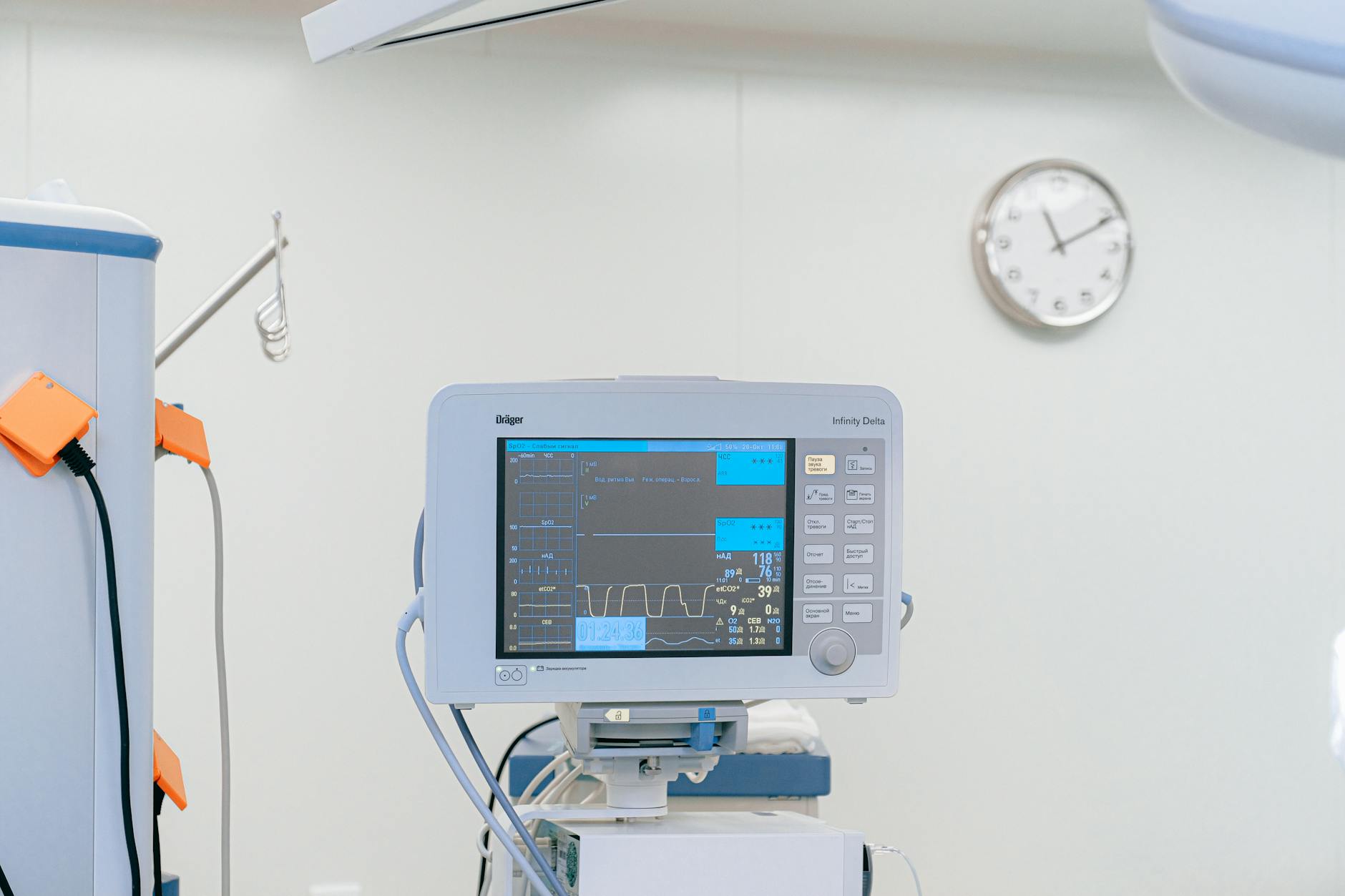
What is Arrhythmia in Children? Arrhythmia in children refers to an irregular heartbeat. While it might sound alarming, it's a common condition that affects many children and is often not serious. However, understanding its nuances is crucial for parents. The heart's rhythm is controlled by electrical signals. When these signals don't function correctly, the heart may beat too fast, too slow, or in an irregular pattern. This deviation from a normal rhythm is termed arrhythmia. It's normal for a child's heart rate to change based on their activity. For instance, it speeds up during play or crying and slows down during rest. Arrhythmia occurs when this rhythm becomes abnormal outside of these normal physiological responses. The American Academy of Pediatrics notes that a typical waking heart rate for infants is between 100-180 beats per minute, and for a 6-7 year old, it's around 75-118 beats per minute. Deviations from these ranges, or irregular patterns, can indicate arrhythmia. While many cases are benign, prompt diagnosis and appropriate management are essential to prevent potential complications. This guide aims to provide clear, practical information for Indian parents regarding arrhythmias in children, covering symptoms, causes, diagnosis, treatment, and prevention. Common Types of Arrhythmia in Children Several types of arrhythmias can affect children. The most common ones include: Premature beats: Often described as the sensation of the heart “skipping a beat,” these are very common, seen in about 75% of children. They can originate from either the top (atrial) or bottom (ventricular) chambers of the heart. Supraventricular Tachycardia (SVT): This is the most common heart rhythm abnormality in children. About 50% of infants diagnosed with SVT may outgrow it. However, children diagnosed at an older age are less likely to outgrow it. Approximately 1 in 250 children are affected by SVT. Sinus Arrhythmia: This is a common and usually harmless type of arrhythmia in children. It's characterized by an irregular heart rate that changes with breathing – speeding up during inhalation and slowing down during exhalation. Wolff-Parkinson-White (WPW) Syndrome: In WPW syndrome, children are born with an extra electrical pathway in their heart. This extra pathway can cause the heart to beat much faster than normal. Atrial Flutter and Atrial Fibrillation: These conditions involve rapid, irregular beating of the heart's upper chambers (atria). They can increase the risk of blood clots. Ventricular Tachycardia: This occurs when the heartbeat starts in the lower chambers (ventricles) instead of the upper chambers, leading to a very fast heart rate. While rare, ventricular tachycardia is serious and can increase the risk of heart attacks. Bradycardia: This is defined as an unusually slow heart rate. Common types seen in children include: Sinus Bradycardia: More frequently observed in premature infants. Heart Block: This happens when the electrical signals are unable to travel properly from the heart's upper chambers to the lower chambers, disrupting the coordinated pumping action. Symptoms of Arrhythmia in Children The symptoms of arrhythmia in children can vary significantly depending on the child's age and the specific type of arrhythmia. In some cases, children may not show any obvious symptoms. However, parents should be aware of the following potential signs: Heart Palpitations: A feeling that the heart is racing, pounding, fluttering, or skipping beats. Chest Pain: Discomfort or pain in the chest area. Shortness of Breath: Difficulty breathing, especially during physical activity. Dizziness or Lightheadedness: Feeling faint or unsteady. Fainting (Syncope): A sudden, temporary loss of consciousness. Fatigue: Unusual tiredness or lack of energy. Poor Feeding (in infants): Infants may show reluctance to feed or become easily tired during feeding. Sweating: Excessive sweating, especially when not exercising. Bluish Lips or Skin: In severe cases, this can indicate poor oxygen circulation. It's important to note that many of these symptoms can be caused by other, less serious conditions. However, if you observe any of these signs persistently, it's crucial to seek medical advice. Causes of Arrhythmia in Children The causes of arrhythmia in children are diverse, ranging from simple physiological responses to underlying medical conditions: Congenital Heart Defects: Many arrhythmias are linked to structural problems with the heart that are present at birth. These can involve issues with the heart's valves, chambers, or the electrical system itself. Genetic Factors: Inherited conditions play a significant role. Several types of arrhythmias are caused by genetic mutations that affect the heart's electrical pathways. Fever and Illness: Infections and high fevers can temporarily affect the heart rate and rhythm. Dehydration: Lack of sufficient fluids in the body can disrupt the heart's electrical balance. Anemia: A low red blood cell count can cause the heart to work harder, potentially leading to irregular rhythms. Electrolyte Imbalances: Abnormal levels of minerals like potassium and sodium in the blood can interfere with heart function. Medications: Certain medications prescribed for other conditions can have side effects that include arrhythmias. Stimulants: Consumption of caffeine or other stimulants can sometimes trigger irregular heartbeats. Stress and Anxiety: Emotional stress can lead to temporary changes in heart rate. Thyroid Problems: Both an overactive (hyperthyroidism) and underactive (hypothyroidism) thyroid gland can affect heart rhythm. Diagnosis of Arrhythmia Diagnosing arrhythmia in children typically involves a combination of medical history, physical examination, and specific tests: Medical History and Physical Exam: The doctor will ask about symptoms, family history of heart conditions, and perform a physical examination, listening to the heart with a stethoscope. Electrocardiogram (ECG or EKG): This is the primary diagnostic tool. It records the
In summary, timely diagnosis, evidence-based treatment, and prevention-focused care improve long-term health outcomes.