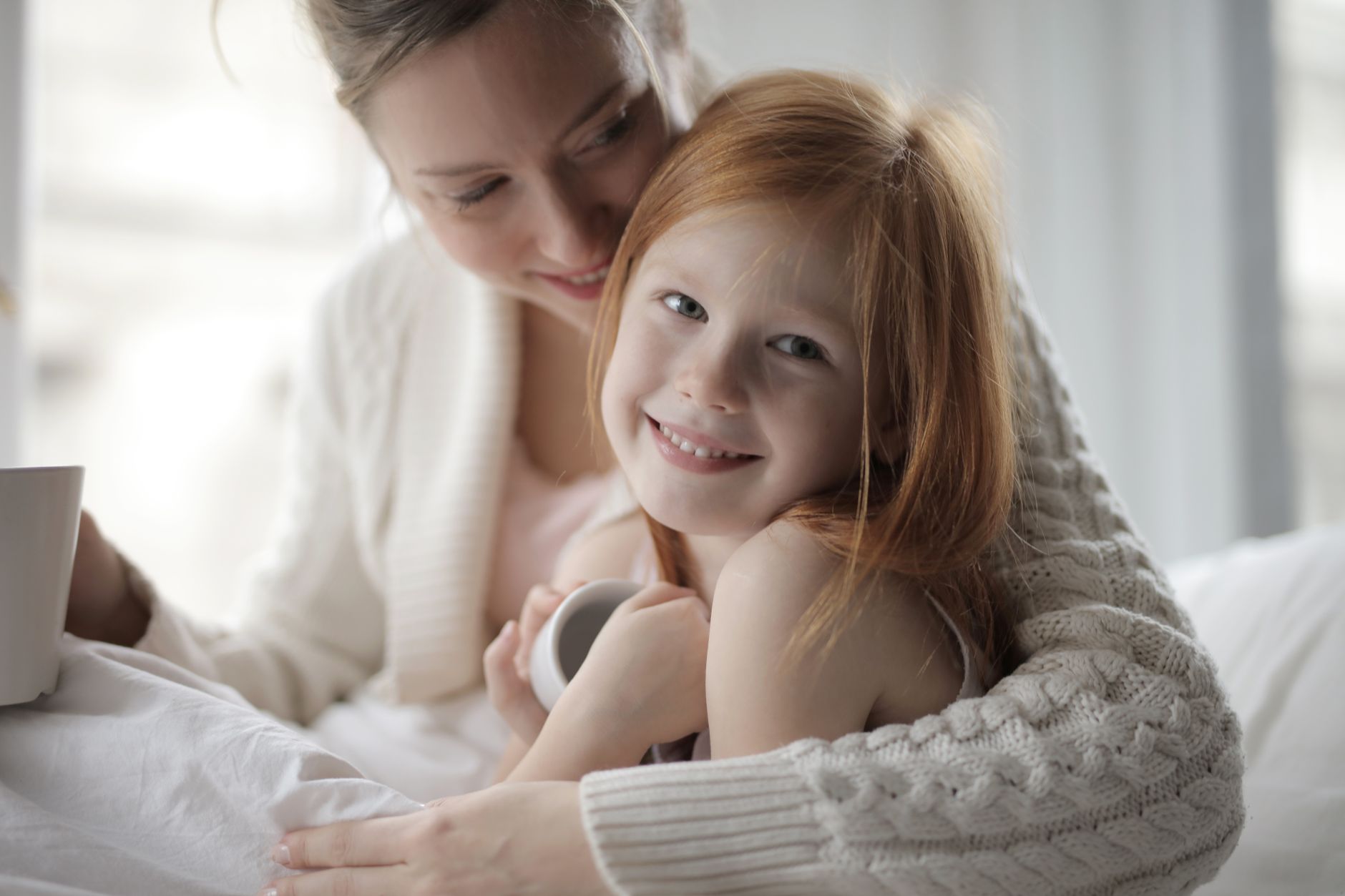
As parents in India, we wear many hats. We guide, we discipline, we nurture, and we protect. Among these roles, one of the most profound, yet often unspoken, is fostering a secure connection with our children. This connection, known as attachment, is the bedrock upon which a child's emotional and social development is built. It shapes how they see themselves, how they interact with others, and how they navigate the world, not just in childhood, but throughout their lives. From the bustling streets of Delhi to the quiet villages of Kerala, the principles of secure attachment hold true, offering a blueprint for raising confident, resilient, and well-adjusted individuals.
What Exactly is Attachment Theory?
Attachment theory, a cornerstone of developmental psychology, was pioneered by British psychiatrist John Bowlby in the 1960s and 1970s, with significant contributions from American Canadian psychologist Mary Ainsworth. At its core, attachment theory explains the deep emotional bond that forms between a child and their primary caregiver. This bond isn't just about receiving food and shelter; it's about seeking comfort, security, and a safe haven in times of distress. Ainsworth's groundbreaking work introduced the concept of the 'secure base' – a parent who is consistently available, sensitive, and responsive to a child's needs. This secure base empowers children to explore their surroundings with confidence, knowing they can always return for reassurance and comfort.
Think about a young child playing in a park. If they feel secure with their parent nearby, they'll happily chase a butterfly or build a sandcastle. But if they feel anxious or unsure, they'll likely stay close to their parent, hesitant to venture out. This innate drive to seek proximity to a trusted caregiver is what attachment is all about. It's a biological imperative, designed to ensure survival and promote healthy development.
Why Attachment Matters for Your Child's Future
The impact of early attachment experiences extends far beyond childhood. Research consistently shows that the type of attachment a child forms with their primary caregiver can significantly influence their future relationships, emotional regulation, and even their mental well-being into adolescence and adulthood. For instance, studies have indicated that individuals who experienced insecure attachment in infancy may face challenges with mental health later in life. Conversely, a secure attachment style is linked to higher self-esteem, better social skills, and more fulfilling romantic relationships.
Consider this common scenario: A young mother in Mumbai is juggling work and family. Her toddler falls and scrapes his knee, crying inconsolably. If she rushes to him, offers a hug, and gently soothes his pain, she's reinforcing a secure attachment. Her child learns that his distress is acknowledged and that he can rely on her for comfort. However, if she's often distracted, dismisses his tears, or responds inconsistently, he might develop an insecure attachment, learning to suppress his emotions or become overly dependent.
The Four Main Types of Attachment Styles
Mary Ainsworth initially identified three main attachment styles, and later research added a fourth. Understanding these styles can help parents recognize patterns in their interactions and their child's responses.
1. Secure Attachment
This is the ideal attachment style, characterized by a strong, positive bond between child and caregiver. Securely attached children feel loved, safe, and confident. They know their caregiver is a reliable source of comfort and support.
- Caregiver Behavior: Parents who foster secure attachment are consistently available, sensitive, and responsive to their child's needs. They offer comfort when the child is distressed, play with them, and encourage exploration while providing a safe base.
- Child's Behavior: These children are generally happy, curious, and explore their environment freely. They are upset when their caregiver leaves but are easily comforted upon their return. They tend to trust others and have healthy self-esteem.
- Adult Outcomes: As adults, individuals with a secure attachment style tend to have stable, satisfying relationships, good emotional regulation, and a positive outlook on life.
2. Anxious-Preoccupied Attachment (Anxious-Ambivalent)
This style develops when a caregiver is inconsistently available or responsive to a child's needs. The child can't rely on their caregiver to be there when they need them, leading to feelings of insecurity and anxiety.
- Caregiver Behavior: Caregivers may be unpredictable, sometimes showering the child with attention and other times being emotionally distant or unavailable. This inconsistency leaves the child feeling uncertain about the caregiver's presence and support.
- Child's Behavior: Children with this attachment style can be clingy and demanding. They may become very distressed when the caregiver leaves and are often difficult to soothe upon their return. They may express anger or resistance towards the caregiver.
- Adult Outcomes: As adults, they may experience anxiety in relationships, fear of abandonment, and a strong need for reassurance.
3. Anxious-Avoidant Attachment
This style can emerge when a caregiver dismisses or discourages a child's expressions of need or distress. The child learns to suppress their emotions and avoid seeking comfort from the caregiver to prevent rejection or criticism.
- Caregiver Behavior: Parents might be emotionally unavailable, rejecting, or critical of their child's needs. They may encourage independence prematurely or seem uncomfortable with displays of emotion. Sometimes, the child is expected to take on adult responsibilities.
- Child's Behavior: These children often appear independent and self-reliant, but this is a coping mechanism. They may show little distress when the caregiver leaves and may avoid or ignore them upon return. They often suppress their emotions and may have difficulty forming close bonds.
- Adult Outcomes: As adults, they might appear emotionally distant, have trouble with intimacy, and tend to avoid deep emotional connections.
4. Disorganized Attachment
This is the most complex and concerning attachment style, often associated with frightening or unpredictable caregiver behavior, or experiences of abuse or neglect. The child experiences their caregiver as both a source of comfort and a source of fear, creating a confusing and alarming situation.
- Caregiver Behavior: Caregivers may exhibit erratic behavior, be frightening, or be involved in situations of abuse, neglect, or unresolved trauma. Their actions are unpredictable, leaving the child in a state of confusion and fear.
- Child's Behavior: Children with disorganized attachment often display contradictory behaviors. They might approach the caregiver and then abruptly withdraw, freeze, or exhibit dazed expressions. They struggle to regulate their emotions and may have difficulty with social interactions.
- Adult Outcomes: This style is linked to a higher risk of mental health issues, difficulties in relationships, and challenges with emotional regulation.
How to Foster Secure Attachment with Your Child
The good news is that attachment styles are not set in stone. While early experiences play a significant role, parents can actively work towards fostering a secure attachment, even if past interactions weren't ideal. Here’s how:
- Be Present and Responsive: Make time for your child. When they seek your attention, respond warmly and promptly. Acknowledge their feelings, whether it's joy, sadness, anger, or fear. A simple hug or a listening ear can make a world of difference.
- Offer Consistent Care: Provide a predictable routine for feeding, sleeping, and playtime. Consistency builds trust and security, letting your child know what to expect.
- Validate Their Emotions: Instead of dismissing your child's feelings (
What This Means In Daily Life
Most people do not notice early warning signs right away. That is common. A simple symptom diary, basic routine checks, and timely follow-up visits can prevent small problems from becoming serious.
If you are already on treatment, stay consistent with medicines and lifestyle advice. If your symptoms change, do not guess. Check with a qualified doctor and update your plan early.
Simple Action Plan
Write down symptoms, triggers, and timing for a few days.
Carry old prescriptions and test reports to your consultation.
Ask clearly about side effects, red-flag signs, and follow-up dates.
Seek urgent care for severe pain, breathing trouble, bleeding, fainting, or sudden worsening.