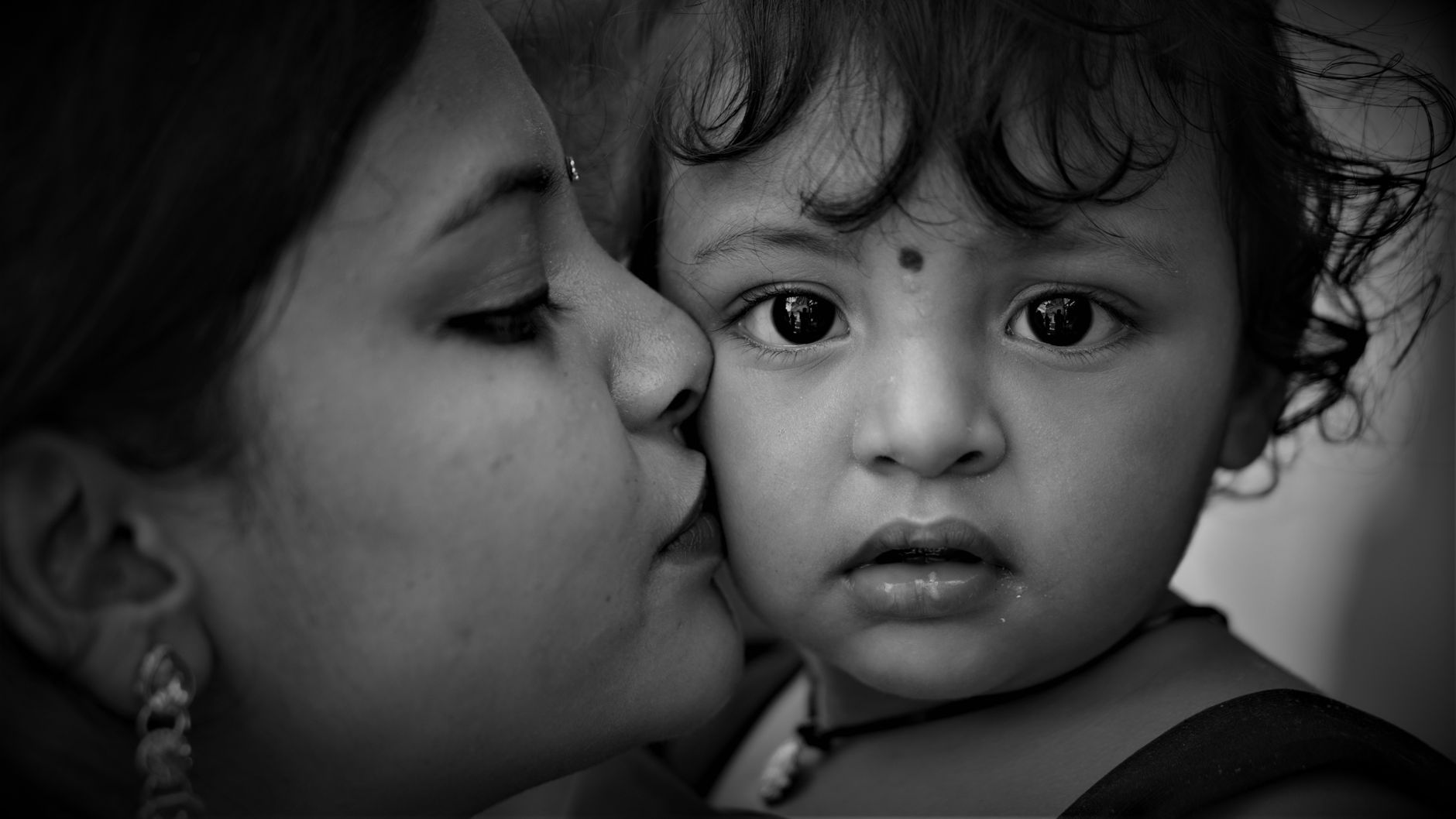
As parents, one of our most profound roles is to make our children feel loved, safe, and protected. This fundamental need leads to what experts call 'attachment'. Attachment theory, pioneered by John Bowlby and Mary Ainsworth, explains how the early bond between a child and their caregiver shapes their emotional development and future relationships. For parents in India, understanding these attachment styles can be incredibly empowering, helping you build stronger, more secure connections with your little ones.
Think about it: your presence, your responsiveness, your consistent care—these aren't just daily routines. They are the building blocks of your child's inner world. When a child knows they can count on you, they develop a sense of security. This security acts as a launchpad, encouraging them to explore the world with confidence, knowing they have a safe haven to return to. This early foundation significantly impacts their ability to trust, manage emotions, and form healthy relationships throughout their lives, including romantic partnerships later on.
The way you respond to your child's needs, whether they're crying for comfort, seeking reassurance, or excitedly sharing a discovery, directly influences their attachment style. While secure attachment is the ideal, and most parents strive for it, sometimes circumstances or differing parenting approaches can lead to insecure attachment styles. Let’s explore these styles in detail, focusing on how they manifest and what parents can do to foster a secure bond.
What is Attachment Theory?
Attachment theory posits that the early relationship between an infant and their primary caregiver is crucial for emotional and social development. This bond provides a template for future relationships. Ainsworth identified three primary attachment styles, and later research added a fourth:
- Secure Attachment
- Anxious-Preoccupied Attachment (often referred to as Anxious-Ambivalent)
- Anxious-Avoidant Attachment
- Disorganized Attachment
It's important to remember that these are patterns, not rigid boxes. Children can exhibit different behaviours, and with conscious effort, parents can positively influence these patterns.
Secure Attachment: The Foundation of Trust
This is the healthiest attachment style, where children feel secure and confident in their caregiver's presence. Securely attached children:
- Explore Freely: They feel comfortable exploring their surroundings, knowing their caregiver is a reliable source of support.
- Seek Comfort: When distressed, they readily turn to their caregiver for comfort and reassurance.
- Are Happy to See Caregiver: They show genuine pleasure and relief when reunited with their caregiver after a separation.
- Trust Easily: They tend to trust others and believe their needs will be met.
How Parents Foster Secure Attachment:
Parents who are consistently available, sensitive, and responsive to their child's needs are more likely to have securely attached children. This means:
- Being Present: Physically and emotionally available to your child.
- Responding Promptly: Addressing your child's needs for comfort, food, and attention in a timely manner.
- Showing Affection: Hugging, cuddling, and expressing love regularly.
- Encouraging Independence: Allowing your child to explore and try new things while offering support.
Real-life Scenario: Little Priya falls while playing in the park. She immediately looks for her mother, runs to her, and cries. Her mother holds her close, soothes her, checks for any injuries, and reassures her that it's okay to fall sometimes. Priya, feeling comforted, eventually stops crying and wants to play again.
Anxious-Preoccupied Attachment: The Need for Reassurance
This style develops when caregivers are inconsistently available or responsive. Children with this attachment style often:
- Are Clingy: They may appear overly dependent on their caregiver and distressed by separations.
- Seek Constant Reassurance: They constantly seek attention and validation, fearing abandonment.
- Are Anxious and Distrustful: They may be wary of strangers and anxious about the caregiver's presence.
- Show Mixed Reactions: Upon reunion, they might be clingy but also angry or resistant, unsure how to express their distress.
Why This Happens:
Caregiving that is unpredictable—sometimes warm and responsive, other times neglectful or intrusive—can lead to this attachment style. The child learns that they must work hard to get their needs met, leading to heightened anxiety.
Parenting Considerations:
If you notice these patterns, focus on building predictability and consistency in your responses. Even when you're busy, try to carve out dedicated time for your child. Reassure them of your love and presence, even when you need to attend to other tasks.
Anxious-Avoidant Attachment: The Independence Facade
This style can emerge when caregivers consistently reject or dismiss a child's bids for comfort or emotional support. Children with this attachment style might:
- Appear Overly Independent: They often suppress their need for closeness and appear self-sufficient.
- Avoid Seeking Comfort: When upset, they may not turn to their caregiver and might even avoid eye contact or physical closeness.
- Show Little Distress on Separation: They might not cry when a caregiver leaves, seeming indifferent.
- Exhibit Emotional Distance: As they grow, they may struggle with intimacy and emotional expression in relationships.
Understanding the Cause:
Often, this arises when parents discourage emotional expression, expect children to be
What This Means In Daily Life
Most people do not notice early warning signs right away. That is common. A simple symptom diary, basic routine checks, and timely follow-up visits can prevent small problems from becoming serious.
If you are already on treatment, stay consistent with medicines and lifestyle advice. If your symptoms change, do not guess. Check with a qualified doctor and update your plan early.
Simple Action Plan
Write down symptoms, triggers, and timing for a few days.
Carry old prescriptions and test reports to your consultation.
Ask clearly about side effects, red-flag signs, and follow-up dates.
Seek urgent care for severe pain, breathing trouble, bleeding, fainting, or sudden worsening.