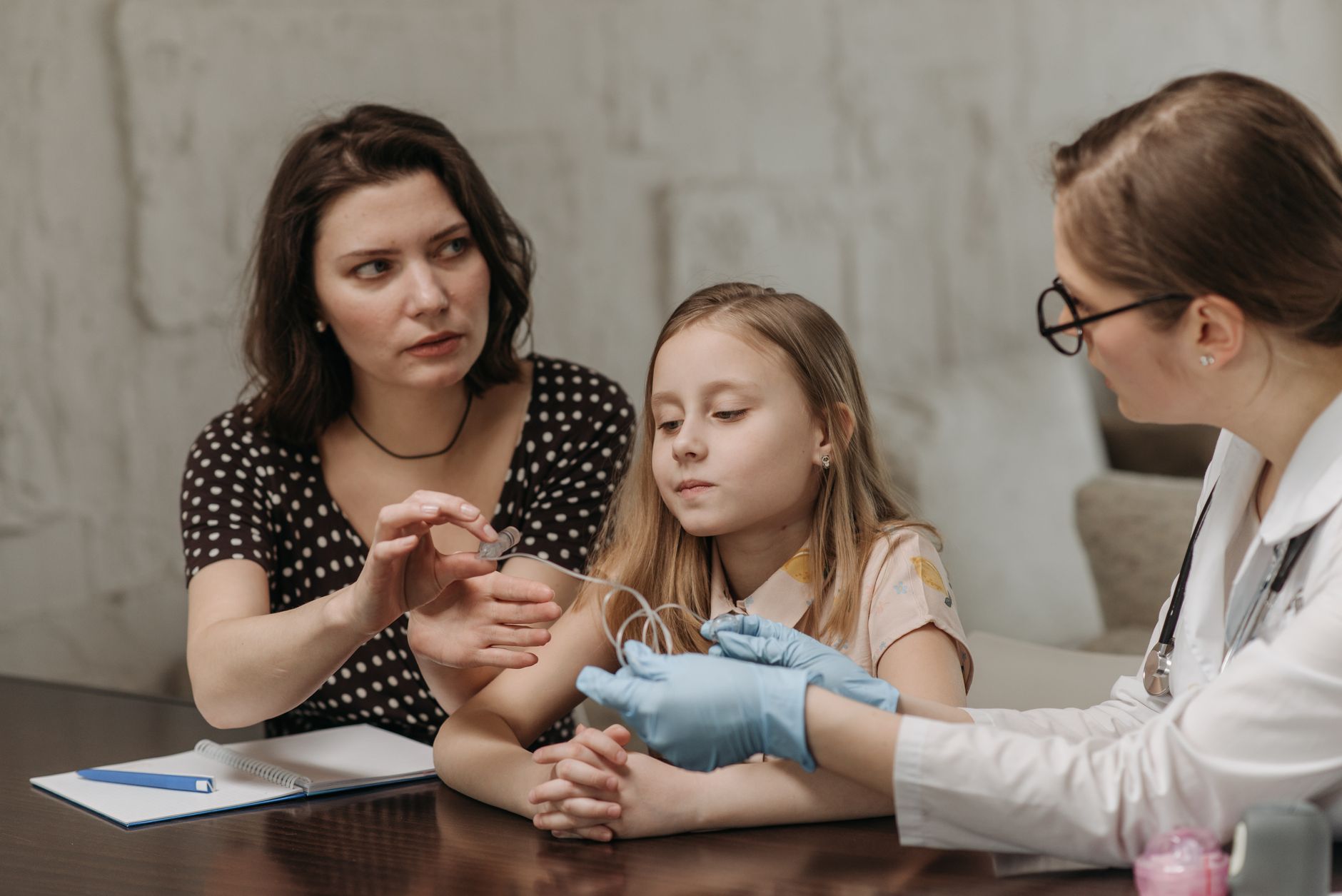
As a parent, your child's health is paramount. When a condition like Central Precocious Puberty (CPP) arises, it can bring a wave of questions and concerns. CPP, characterized by the onset of puberty at an unusually young age – before 8 for girls and before 9 for boys – requires a specific and informed approach to care. This guide aims to demystify CPP for Indian parents, outlining what it is, its signs, and most importantly, the vital healthcare team you'll need to navigate this journey effectively. We'll explore the specialists involved, the diagnostic process, treatment goals, and how to best support your child through these early developmental changes. What is Central Precocious Puberty (CPP)? Puberty is a natural biological process where a child's body matures sexually. For girls, this typically involves breast development, the onset of menstruation, and outward physical changes. For boys, it's characterized by the growth of testes and penis, voice deepening, and the appearance of facial hair. CPP disrupts this timeline, initiating these changes much earlier than expected. The 'central' in CPP refers to the fact that the hormonal signals triggering puberty originate in the brain, specifically the hypothalamus and pituitary gland, which then signal the ovaries or testes to produce sex hormones. Recognizing the Signs: Early Puberty Indicators Prompt recognition of CPP signs is key to timely diagnosis and effective treatment. If you observe any of the following in your child, it's essential to consult their doctor without delay: In girls: Breast development (lumps or swelling under the nipples) before age 8, or the start of menstruation before age 8. In boys: Testicular enlargement or penile growth before age 9, or the development of pubic hair or an adult-like body odour before age 9. In both sexes: Significant growth spurts, acne, or the development of adult body odour earlier than expected can also be indicators. It's important to remember that puberty exists on a spectrum, and not every early sign necessarily indicates CPP. However, early consultation with a healthcare professional can provide clarity and peace of mind. Why Does CPP Happen? Understanding the Causes The exact cause of CPP is not always clear, but it often involves the premature activation of the hypothalamic-pituitary-gonadal (HPG) axis. This axis is the body's hormonal control system for puberty. Factors that may contribute or be associated with CPP include: Genetic factors: A family history of early puberty can sometimes play a role. Central Nervous System (CNS) abnormalities: Conditions affecting the brain, such as tumors, congenital malformations, or injuries, can sometimes trigger the HPG axis prematurely. Environmental factors: While research is ongoing, exposure to certain endocrine-disrupting chemicals has been a subject of study. Idiopathic CPP: In many cases, no specific cause is identified, and the condition is termed 'idiopathic'. Diagnosis: How CPP is Identified Diagnosing CPP involves a comprehensive evaluation by healthcare professionals. Your child's doctor will start with a thorough medical history and a physical examination. They will look for physical signs of puberty and assess your child's growth pattern. The diagnostic process may include: 1. Physical Examination and Growth Assessment The doctor will measure your child's height and weight, plot their growth on a standard growth chart, and check for physical signs of puberty like breast development, testicular size, pubic hair, and acne. 2. Blood Tests Blood tests are crucial to measure hormone levels. This includes tests for luteinizing hormone (LH), follicle-stimulating hormone (FSH), and sex hormones like estradiol (in girls) and testosterone (in boys). Elevated levels of these hormones, especially LH and FSH, in a young child can indicate CPP. 3. Bone Age X-ray An X-ray, typically of the hand and wrist, helps determine the child's 'bone age'. In CPP, children often have a bone age that is significantly advanced compared to their chronological age, indicating that their skeletal development is progressing faster due to early hormone exposure. 4. Imaging Studies Depending on the initial findings, imaging studies may be ordered. These can include: Magnetic Resonance Imaging (MRI) of the brain: This helps to identify any structural abnormalities in the brain, such as tumors or malformations, that might be triggering the early puberty. Pelvic Ultrasound (for girls): This can assess the size of the uterus and ovaries. Testicular Ultrasound (for boys): This can evaluate testicular size and development. Building Your Child's CPP Healthcare Team Managing CPP effectively requires a collaborative approach involving several medical specialists. Your child's pediatrician or family doctor is usually the first point of contact and will help coordinate care. Here are the key professionals you might need: 1. Pediatrician or Family Doctor This is your primary healthcare provider. They will conduct the initial assessment, order preliminary tests, and can either manage the condition themselves if they have experience with CPP or refer you to the necessary specialists. They are vital for ongoing general care and coordination. 2. Pediatric Endocrinologist This is the most critical specialist for CPP. A pediatric endocrinologist is a doctor who specializes in hormone disorders in children. They have extensive training in the endocrine system and how it affects growth and development. This specialist will: Interpret complex hormone tests. Order and analyze advanced imaging studies. Develop and oversee the treatment plan. Monitor your child's progress closely. When choosing a pediatric endocrinologist, look for one with specific experience in treating precocious puberty. It's also beneficial if they are affiliated with hospitals in your insurance network and are good communicators who respond promptly. 3. Pediatric Gynecologist (for girls) If your daughter shows signs of CPP, a pediatric gynecologist can provide valuable insights. They specialize in the reproductive health of children and adolescents. They can help assess the extent of physical changes in the reproductive organs and offer specific advice related to menstrual cycles and future reproductive health. 4. Pediatric Urologist (potentially for boys) While less common as a primary specialist for CPP itself, a pediatric urologist may be involved if there are concerns related to the development of the male reproductive organs or urinary tract. 5. Radiologist These are doctors who specialize in interpreting medical imaging. They will analyze the results of MRIs, ultrasounds, and X-rays to help diagnose CPP and identify any underlying causes. 6. Child Psychologist or Counselor The emotional and social impact of early puberty on a child can be significant. A child psychologist can help your child cope with the physical changes, potential bullying, and feelings of being different. They can also provide guidance to parents on how to talk to their child about CPP. Treatment Goals for CPP The primary goals of CPP treatment are: Stopping or slowing down the progression of puberty: This is usually achieved through medication. Allowing for normal growth: By halting premature puberty, children have more time to grow to their potential adult height, preventing short stature. Preventing premature development of secondary sexual characteristics: This helps reduce the psychological and social distress associated with early maturation. Addressing the underlying cause: If a specific cause like a brain tumor is identified, treating that condition is paramount. Treatment typically involves hormone therapy, usually with gonadotropin-releasing hormone (GnRH) analogs. These medications work by suppressing the signals from the brain that trigger puberty, effectively pausing the process until the appropriate age. When to Consult a Doctor You should consult your child's pediatrician immediately if you notice any signs of puberty before the age of 8 in girls or before the age of 9 in boys. Early detection is critical for the best possible outcome. Don't hesitate to voice your concerns; your pediatrician is there to help you understand and manage your child's health. Prevention Currently, there are no proven methods to prevent CPP. However, maintaining a healthy lifestyle for your child, including a balanced diet and regular physical activity, supports overall endocrine health. If there are known genetic predispositions or specific CNS conditions, your doctor may discuss potential risk factors, but direct prevention of CPP itself is not typically possible. Frequently Asked Questions (FAQ) Q1: Can CPP affect my child's fertility? With appropriate treatment, the goal is to allow your child to reach their natural puberty at the correct age, which generally preserves fertility. The treatment aims to pause early puberty, not to damage reproductive organs. Q2: Will my child be shorter if they have CPP? One of the main reasons for treating CPP is to prevent short stature. By slowing down early puberty, children have more time to grow, potentially reaching a more average adult height. Q3: Is CPP a serious condition? CPP requires medical attention and management. While not always life-threatening, it can have significant physical, emotional, and social implications if left untreated. Early diagnosis and treatment are important. Q4: How long does treatment for CPP last? Treatment duration varies depending on the child's individual response and progress. It usually continues until the child reaches the normal age for puberty to begin, typically around age 11 or 12 for girls and 13 or 14 for boys. Navigating a diagnosis like CPP can feel overwhelming, but remember you are not alone. By building a strong healthcare team
In summary, timely diagnosis, evidence-based treatment, and prevention-focused care improve long-term health outcomes.