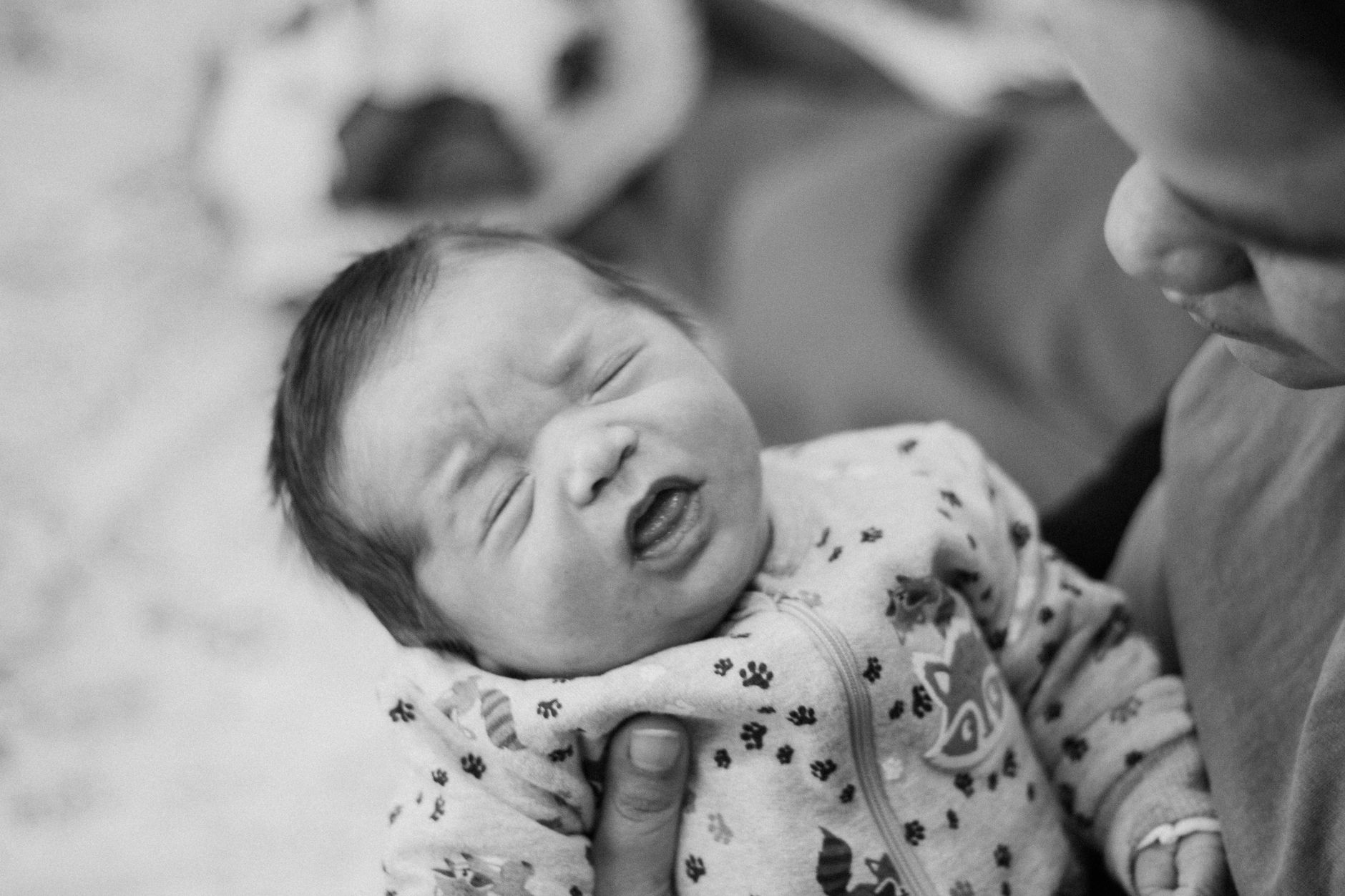
What is Hemolytic Anemia in Newborns? Hemolytic anemia in newborns, also known as hemolytic disease of the fetus and newborn (HDFN) or erythroblastosis fetalis, is a condition that begins during pregnancy. It occurs when a mother's immune system attacks her baby's red blood cells. This attack leads to the destruction of these red blood cells, causing anemia (a low count of red blood cells or hemoglobin) and potentially other serious complications in the newborn. While it can sound alarming, modern medicine offers effective ways to screen, manage, and treat this condition, ensuring a healthy outcome for most babies. Causes of Hemolytic Anemia in Newborns The primary cause of hemolytic anemia in newborns is a mismatch between the mother's and the baby's blood types or Rh factors. Here's a breakdown: Blood Type Incompatibility: Everyone has a blood type (A, B, AB, or O) determined by specific proteins called antigens on their red blood cells. If a mother has one blood type and her baby has a different one, the mother's immune system might produce antibodies against the baby's red blood cells. For instance, if a mother has type O blood and her baby has type A or B blood, her antibodies can cross the placenta and attack the baby's red blood cells. Rh Factor Incompatibility: Similarly, blood can be Rh-positive (having the Rh antigen) or Rh-negative (lacking it). The most common and serious incompatibility occurs when an Rh-negative mother carries an Rh-positive baby. During pregnancy or delivery, some of the baby's Rh-positive blood cells can enter the mother's bloodstream. Her immune system then recognizes the Rh antigen as foreign and produces antibodies against it. These antibodies can cross the placenta in subsequent pregnancies and attack the red blood cells of an Rh-positive fetus, leading to HDFN. Other Blood Group Antigens: While ABO and Rh incompatibilities are the most frequent causes, other less common blood group antigen mismatches can also lead to HDFN. Symptoms of Hemolytic Anemia in Newborns Symptoms can manifest during pregnancy or after the baby is born. The severity can range from mild to life-threatening. During Pregnancy: Hydrops Fetalis: This is a severe condition where there is a life-threatening buildup of fluid around the baby's organs. After Birth: Jaundice: This is the most common symptom. Jaundice is a yellowing of the skin and the whites of the eyes caused by a buildup of bilirubin, a byproduct of red blood cell breakdown. In HDFN, the rapid destruction of red blood cells leads to a rapid and severe increase in bilirubin levels. Anemia: The baby may appear pale, lethargic, and have a rapid heart rate due to the low number of red blood cells. Enlarged Liver and Spleen: These organs may become enlarged as they try to compensate for the red blood cell destruction. Breathing Difficulties: In severe cases, the baby might have trouble breathing. Diagnosis of Hemolytic Anemia in Newborns Doctors employ several methods to diagnose and monitor HDFN: Prenatal Screening: Blood Type and Antibody Screening: Early in pregnancy, the mother's blood type, Rh factor, and for the presence of red blood cell antibodies are tested. Partner's Blood Type: If the mother is Rh-negative or has antibodies, the father's blood type may be tested to assess the risk. Fetal Blood Type: In some cases, the baby's blood type can be determined through prenatal testing. Ultrasound: Regular ultrasounds help monitor the baby's growth and check for signs of fluid buildup (hydrops fetalis) or anemia. Amniocentesis: This procedure involves testing the amniotic fluid for bilirubin levels, which can indicate red blood cell breakdown. Fetal Blood Sampling: In high-risk pregnancies, a sample of the baby's blood can be taken from the umbilical cord to check for anemia and other issues. Postnatal Diagnosis: Direct Antibody Test (DAT): This test is performed on the baby's red blood cells to detect maternal antibodies attached to them. Blood Counts: A complete blood count (CBC) helps determine the level of anemia. Bilirubin Levels: Blood tests measure bilirubin levels to assess the severity of jaundice. Blood Type Confirmation: The baby's blood type and Rh factor are confirmed after birth. Treatment for Hemolytic Anemia in Newborns Treatment depends on the severity of the condition and when it's diagnosed: During Pregnancy: RhoGAM Injections: For Rh-negative mothers, RhoGAM (Rh immune globulin) injections are given during pregnancy and after delivery to prevent the mother from developing antibodies against the Rh factor. This is a crucial preventive measure. Intrauterine Blood Transfusions: In severe cases of fetal anemia, blood transfusions can be given directly to the fetus while still in the womb. Early Delivery: If the baby's condition is critical, doctors may recommend inducing labor early. After Birth: Phototherapy: This is the most common treatment for jaundice. The baby is placed under special lights that help break down bilirubin in the skin, making it easier for the body to excrete. Intravenous Immunoglobulin (IVIg): IVIg can help reduce the need for blood transfusions by blocking the antibodies that are destroying red blood cells. Blood Transfusions: If the baby is severely anemic or has very high bilirubin levels, a blood transfusion may be necessary to replace destroyed red blood cells and remove bilirubin. Exchange Transfusion: In very severe cases, the baby's blood is gradually replaced with donor blood. This helps remove bilirubin and antibodies and provides healthy red blood cells. Prevention of Hemolytic Anemia in Newborns The most effective prevention strategy is: RhoGAM Administration: Rh-negative mothers should
In summary, timely diagnosis, evidence-based treatment, and prevention-focused care improve long-term health outcomes.