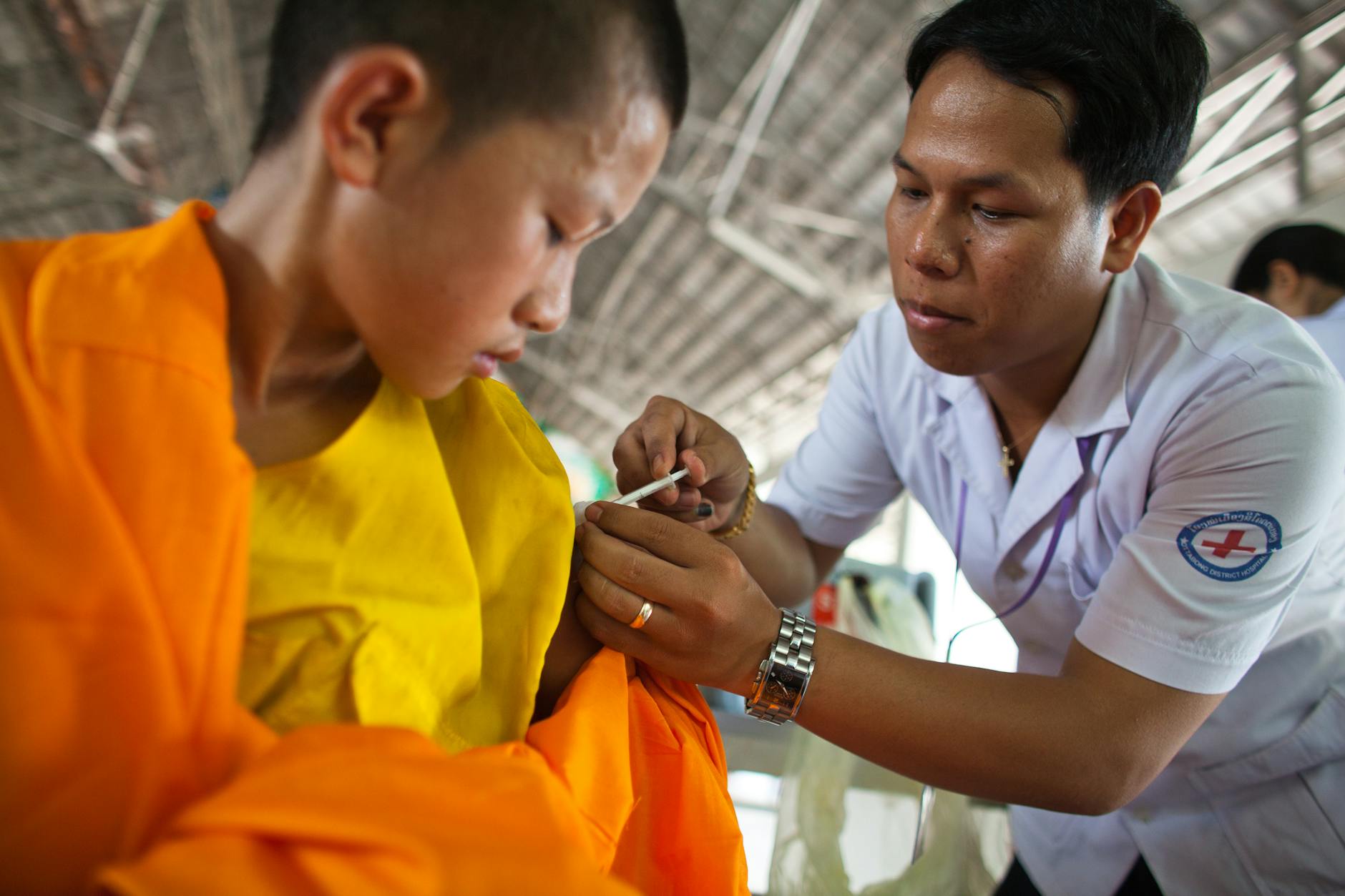
Human Immunodeficiency Virus (HIV) is a chronic condition that affects the immune system. While it's often discussed in the context of adults, it's essential to understand how HIV can affect children and adolescents. The good news is that with advancements in medical care, children born with or who contract HIV can lead long, healthy lives. This guide aims to provide comprehensive information for Indian readers, covering causes, symptoms, diagnosis, treatment, and prevention strategies for HIV in children.
What is HIV?
HIV is a virus that attacks the body's white blood cells, which are essential for fighting off infections and diseases. When HIV damages these cells, it weakens the immune system, making individuals more susceptible to illnesses. If left untreated, HIV can progress to Acquired Immunodeficiency Syndrome (AIDS), a more advanced stage of the infection.
How Do Children Get HIV?
HIV in children can be transmitted in a few ways. The most common route is through vertical transmission, which means the virus passes from an infected mother to her child. This can happen during pregnancy, childbirth, or breastfeeding.
Vertical Transmission (Mother-to-Child)
The risk of a mother transmitting HIV to her child is significantly reduced with proper medical care and treatment. If an HIV-positive pregnant woman receives antiretroviral therapy (ART) during pregnancy and childbirth, and her viral load is undetectable, the chance of transmission can be less than 1%. Without intervention, the risk is much higher, ranging from 15% to 45%.
Transmission can occur:
- During pregnancy: The virus can pass through the placenta to the baby.
- During childbirth: The baby can be exposed to the mother's blood or other fluids.
- During breastfeeding: HIV can be present in breast milk. However, the recommendation for feeding practices for HIV-positive mothers in India might vary based on guidelines and availability of safe alternatives. It's crucial to consult a doctor for personalized advice.
Horizontal Transmission (Child-to-Child or Through Other Means)
While less common in young children, older children and adolescents can contract HIV through horizontal transmission. This involves direct contact with infected bodily fluids, such as blood, semen, or vaginal fluids.
- Sexual transmission: This is the most common way adolescents contract HIV. Unprotected vaginal, oral, or anal sex can lead to transmission. Using condoms correctly and consistently is vital for prevention.
- Sharing needles or syringes: Injecting drug use is a significant risk factor for HIV transmission. Sharing contaminated needles can directly introduce the virus into the bloodstream.
- Blood transfusions or organ transplants: In the past, this was a concern, but stringent screening of blood and organs has made this extremely rare in most countries, including India, today.
- Healthcare settings: Though very rare, accidental exposure to infected blood through needle-stick injuries can occur in healthcare professionals.
It's important to remember that casual contact like hugging, kissing, sharing utensils, or using the same toilet does not transmit HIV.
Symptoms of HIV in Children
Symptoms of HIV in children can vary greatly depending on their age and the stage of the infection. Some infants may show no symptoms at all in the early stages. As the virus weakens the immune system, symptoms may appear.
For Infants and Young Children:
- Delayed growth and development
- Frequent or prolonged infections (like ear infections, urinary tract infections)
- Swollen glands (lymph nodes)
- Chronic diarrhea
- Fever
- Weight loss
For Older Children and Adolescents:
Symptoms can be similar to those seen in adults and may include:
- Unexplained fatigue
- Swollen lymph nodes
- Frequent infections
- Persistent fever
- Diarrhea
- Weight loss
- Mouth sores
- Skin rashes
It's vital to understand that these symptoms are not exclusive to HIV and can be caused by many other conditions. Therefore, a medical diagnosis is always necessary.
Diagnosing HIV in Children
Diagnosing HIV in children involves specific blood tests. The approach to testing differs for infants and older children.
Testing Infants and Young Children:
For infants born to HIV-positive mothers, diagnostic virologic tests are recommended as early as possible, usually within the first few weeks of life. These tests detect the presence of the virus itself, not just antibodies.
- DNA PCR or RNA PCR tests are used to identify the virus.
- A negative result from an initial test doesn't rule out infection. Follow-up testing at different time points (e.g., 1-2 months and again at 4-6 months) is usually recommended to confirm the absence of HIV.
Testing Older Children and Adolescents:
For older children and adolescents, antibody tests are commonly used, similar to adult testing. These tests detect antibodies the body produces in response to HIV.
- If an antibody test is positive, it usually needs to be confirmed with a second, different antibody test or a virologic test.
- If a test is negative but HIV is suspected, repeat testing may be advised at 3 and 6 months after potential exposure.
Early diagnosis is critical for effective management and preventing the progression of the disease.
Living with HIV: Treatment and Management
While there is currently no cure for HIV, it is a manageable chronic condition, especially with modern treatments. Antiretroviral therapy (ART) is the cornerstone of HIV treatment for children.
Antiretroviral Therapy (ART):
ART involves a combination of HIV medicines taken every day. These medications work by preventing the virus from multiplying, thereby reducing the viral load in the body to undetectable levels. When the viral load is undetectable, the immune system can recover, and the risk of transmission to others is virtually eliminated.
- Starting treatment early: Starting ART soon after diagnosis significantly improves an infant's lifespan, reduces the risk of serious illnesses, and prevents HIV from progressing to AIDS.
- Adherence is key: For ART to be most effective, children and their caregivers must adhere strictly to the medication schedule. Missing doses can allow the virus to multiply and become resistant to the medicines. Aiming for over 95% adherence is ideal for sustained viral suppression.
- Tailored treatment: ART regimens are tailored to the child's age, weight, growth, and any other health conditions they may have.
Managing Co-occurring Conditions:
Children with HIV may be more prone to certain infections. Regular medical check-ups help monitor their health and manage any opportunistic infections or other health issues that may arise.
The Role of a Support System:
A strong support system, including family, friends, and healthcare providers, is invaluable for children living with HIV. Emotional support and education play a significant role in their well-being and adherence to treatment.
Preventing HIV Transmission to Children
Preventing HIV transmission, particularly from mother to child, is a major public health focus. India has made significant strides in this area through programs aimed at pregnant women.
- Antenatal care: All pregnant women should undergo HIV testing as part of their routine antenatal check-ups.
- Treatment for pregnant mothers: If a pregnant woman tests positive for HIV, starting ART immediately can drastically reduce the risk of transmission to her baby.
- Safe delivery practices: Healthcare providers follow specific protocols during delivery to minimize exposure risk.
- Infant feeding: Decisions about infant feeding for HIV-positive mothers should be made in consultation with healthcare providers, considering the availability of safe alternatives and local guidelines.
- Safe sexual practices for adolescents: Educating adolescents about safe sex, including consistent condom use, is crucial to prevent sexual transmission of HIV.
- Avoiding needle sharing: Awareness campaigns about the risks of sharing needles for drug use are important.
When to Consult a Doctor
It's important to seek medical advice if:
- You are pregnant and concerned about HIV testing.
- You have been diagnosed with HIV and are planning a pregnancy.
- Your child has symptoms that could indicate an infection or developmental delay.
- Your child has been exposed to HIV.
- You are an adolescent and concerned about your sexual health or potential exposure to HIV.
A doctor can provide accurate testing, diagnosis, and guidance on the best course of action for your child's health.
Frequently Asked Questions (FAQ)
Q1: Can a child with HIV go to school?
Yes, absolutely. HIV is not transmitted through casual contact like sharing classrooms, playgrounds, or toilets. Children living with HIV can and should attend school to have a normal educational and social experience. Their condition does not pose a risk to other children.
Q2: Is there a cure for HIV in children?
Currently, there is no cure for HIV. However, with effective ART, HIV can be managed as a chronic condition, allowing children to live long, healthy, and productive lives.
Q3: Can a child with HIV have a normal life?
Yes. With proper medical care, consistent treatment adherence, and a strong support system, children living with HIV can achieve normal growth and development, participate in activities, and live fulfilling lives well into adulthood.
Q4: Does my child need to take HIV medication forever?
Yes, ART is typically a lifelong treatment. The medications are essential for keeping the virus suppressed, maintaining immune function, and preventing the progression of HIV. Regular check-ups with a doctor will ensure the treatment remains effective.
Q5: What is the role of testing in preventing HIV transmission?
Testing is paramount. For pregnant women, it allows for timely intervention to prevent mother-to-child transmission. For adolescents and older children, testing is key to early diagnosis and initiation of treatment, which improves health outcomes and prevents further spread.