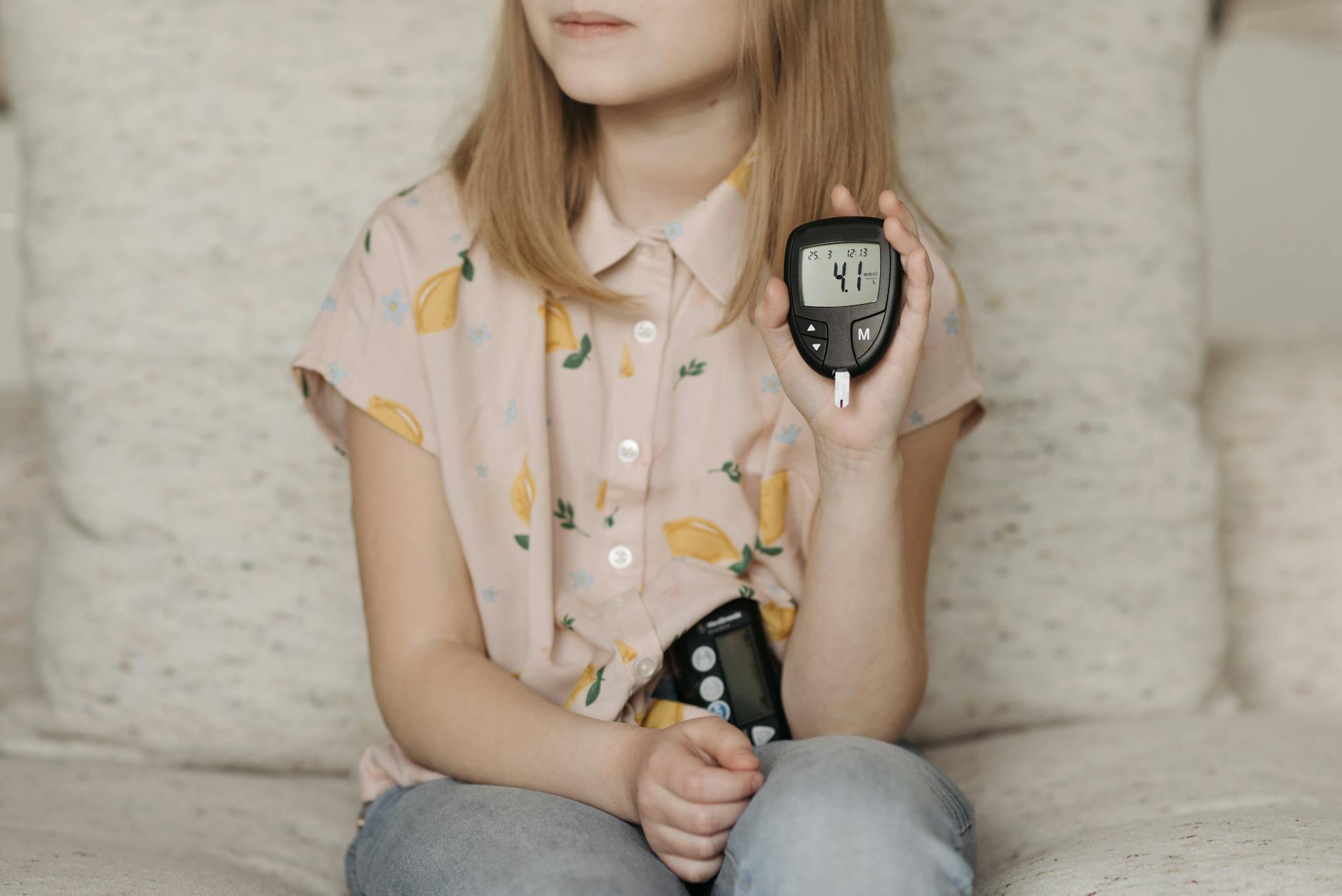
What is Pediatric Hypoglycemia? Pediatric hypoglycemia, often referred to as low blood sugar in children, is a condition where the level of glucose (sugar) in a child's bloodstream drops below the normal range. Glucose is the primary source of energy for the body, especially for the brain. When blood sugar levels are too low, it can affect a child's overall health and well-being. While it is more commonly seen in children with diabetes who are managing their condition with insulin, it can also occur in children without diabetes due to various other factors. Symptoms of Pediatric Hypoglycemia The symptoms of pediatric hypoglycemia can vary depending on how low the blood sugar level is and the child's age. It's important for parents to be aware of these signs to act quickly: Early Symptoms (Mild Hypoglycemia): Sudden hunger Shakiness or trembling Sweating (sometimes cold and clammy sweat) Pale skin Irritability or moodiness Dizziness or lightheadedness Headache Rapid heartbeat More Severe Symptoms (Moderate to Severe Hypoglycemia): Confusion or difficulty concentrating Slurred speech Poor coordination or clumsiness Blurred vision Behavioral changes, such as aggression or unusual sleepiness Seizures Loss of consciousness (unresponsiveness) It's crucial to remember that some of these symptoms can be subtle, and a child might not be able to articulate how they feel, especially younger children. If you suspect your child might be experiencing low blood sugar, it's always best to check their blood sugar level if possible, or treat it empirically if symptoms are present and you cannot check. Causes of Pediatric Hypoglycemia The causes of pediatric hypoglycemia can be broadly divided into two categories: those in children with diabetes and those in children without diabetes. In Children with Diabetes: For children managing diabetes, especially Type 1 diabetes, hypoglycemia is a common side effect of treatment. The primary reasons include: Skipping or delaying meals: Not eating enough or at the usual times can lead to low blood sugar when insulin is active in the body. Eating less than usual: Consuming fewer carbohydrates than planned for a meal or snack. Taking too much insulin: Administering a higher dose of insulin than required for the amount of carbohydrates consumed or the body's needs. Taking insulin too early: Administering insulin significantly before a meal. Increased physical activity: Exercising more intensely or for longer than usual without adjusting food intake or insulin dosage. Alcohol consumption: Though less common in children, alcohol can interfere with the liver's ability to release glucose. In Children Without Diabetes: While less common, hypoglycemia can occur in children who do not have diabetes. Potential causes include: Inadequate food intake: Not consuming enough calories, especially during prolonged periods without food (e.g., during illness or fasting). Certain illnesses: Infections, particularly severe ones, can increase the body's energy demands and affect blood sugar regulation. Hormonal deficiencies: Conditions affecting hormones like growth hormone or cortisol can impact blood sugar levels. Metabolic disorders: Rare genetic conditions that affect how the body processes sugar. Certain medications: Some medications can inadvertently lower blood sugar. Tumors: Very rarely, certain tumors can produce substances that lower blood sugar. Diagnosis of Pediatric Hypoglycemia Diagnosing pediatric hypoglycemia involves a combination of observing symptoms and, when possible, measuring blood glucose levels. When Symptoms are Present: If your child is exhibiting symptoms of hypoglycemia, and you are unable to check their blood sugar level, it is recommended to treat it immediately with a fast-acting sugar source. This is often the first step, especially if the child is not diagnosed with diabetes. Medical Evaluation: If your child does not have diabetes but experiences recurrent episodes of low blood sugar, their doctor will conduct a thorough evaluation. This typically involves: Medical History: Discussing the child's symptoms, eating habits, activity levels, and any other health conditions. Physical Examination: A general health check-up. Blood Tests: Measuring blood glucose levels during an episode, as well as checking insulin levels, hormone levels (like cortisol and growth hormone), and other metabolic markers. In some cases, a supervised fasting test might be conducted to observe how the child's body responds to prolonged periods without food. For children with diabetes, diagnosis is usually straightforward, relying on blood glucose monitoring and symptom recognition. Treatment for Pediatric Hypoglycemia The primary goal of treatment is to quickly raise the child's blood sugar level back to a safe range. Home Treatment: For most children, especially those with diabetes, hypoglycemia can be managed at home: Fast-Acting Sugar: Give your child a source of fast-acting sugar. About 15 grams of carbohydrates is usually sufficient for mild to moderate hypoglycemia. Examples include: Half a cup (about 120 ml) of fruit juice (like apple or orange juice) Half a cup (about 120 ml) of regular soda (not diet soda) 1 tablespoon (15 ml) of table sugar or honey A few pieces of hard candy (ensure the child can chew them safely to avoid choking) Glucose tablets (follow package instructions) Important Note: Avoid giving foods high in fat, such as chocolate or cookies, immediately, as fat slows down sugar absorption. These can be consumed later as a snack once the blood sugar has stabilized. Follow-up: After administering sugar, wait for about 15 minutes and then recheck your child's blood sugar level. If it is still low, repeat the dose of fast-acting sugar. Once the blood sugar level is back to normal, give your child a longer-acting carbohydrate snack or meal (like a sandwich or crackers with cheese) to help keep their
In summary, timely diagnosis, evidence-based treatment, and prevention-focused care improve long-term health outcomes.