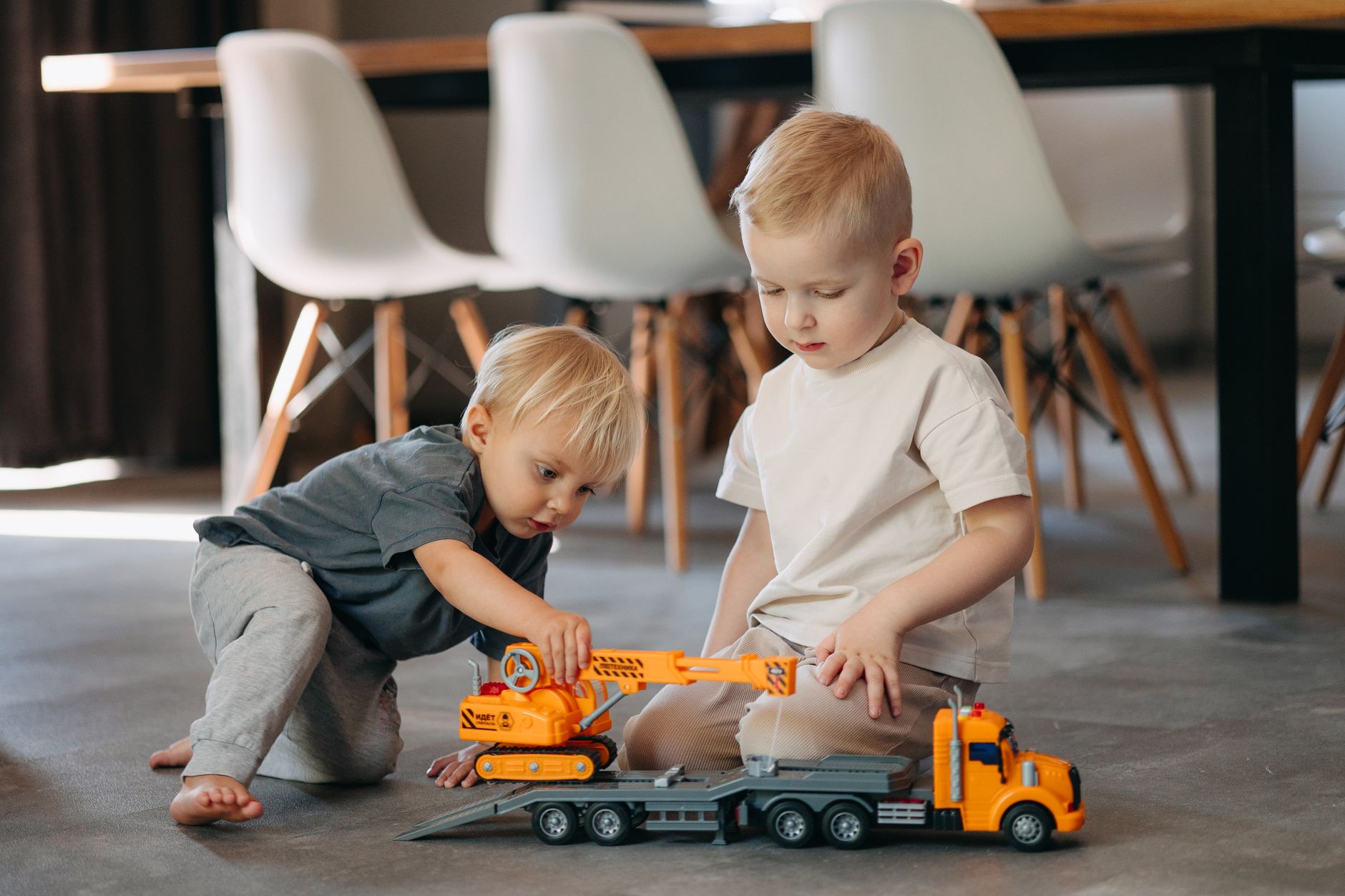
What is Prosocial Behavior in Early Childhood? Prosocial behavior in early childhood refers to actions a child takes voluntarily that are intended to help others. These are acts of kindness, cooperation, and empathy that contribute positively to social interactions and the overall well-being of a community. From sharing toys to comforting a distressed friend, these behaviors are foundational for a child's social and emotional development. Even very young children, as early as 16 months, can demonstrate prosocial tendencies, especially when they witness these behaviors modeled by adults around them. This nurturing of kindness is not just beneficial for the child but also for the smooth functioning of society as a whole. Why is Prosocial Behavior Important for Children? The development of prosocial behavior is crucial for several reasons: Social Development: It helps children build positive relationships, learn to cooperate, and understand social cues, leading to better social integration. Emotional Development: Practicing empathy and kindness can help children manage their own emotions and understand the feelings of others, potentially reducing anxiety. Cognitive Growth: While debated, some research suggests a link between prosocial behavior and cognitive advances, as children learn to understand perspectives and intentions. Community Building: Children who exhibit prosocial behaviors contribute to a more harmonious and supportive environment, both within their families and in broader social settings. How Do Children Develop Prosocial Behavior? The development of prosocial behavior is influenced by a combination of innate tendencies and learned behaviors. Some key factors include: Observation and Modeling: Children are highly impressionable and learn by watching the adults and peers around them. When parents, caregivers, and teachers consistently model helpfulness, sharing, and empathy, children are more likely to adopt these behaviors. Research indicates that children are more inclined to act prosocially if they have seen others do so first. Positive Reinforcement: Praise and encouragement from adults for prosocial actions, such as sharing or helping, reinforce these behaviors and motivate children to repeat them. Stories and Play: Engaging children with stories that highlight themes of kindness, empathy, and cooperation can instill these values. Imaginative play also provides a safe space for children to practice these behaviors in simulated social scenarios. Innate Tendencies: Some researchers believe that a predisposition towards prosocial behavior exists from a very young age, evidenced by infants responding to the distress of others. Practical Ways to Encourage Prosocial Behavior in Children Parents and caregivers play a vital role in fostering kindness and helpfulness in young children. Here are some effective strategies: Model Prosocial Behavior: Be a role model by consistently demonstrating kindness, empathy, and helpfulness in your daily interactions. Verbally express your thought process when you act prosocially. For instance, say, "I see that your friend is sad because they fell. I'm going to go give them a hug and see if they need help, because I know that can make someone feel better." This verbalization helps children understand the 'why' behind the action. Read Books About Kindness: Choose age-appropriate books that feature characters demonstrating empathy, sharing, and cooperation. Point out these behaviors in the illustrations and discuss them with your child. Stories can be powerful tools for teaching social and emotional lessons. Engage in Imaginative Play: Use playtime to create scenarios where your child can practice prosocial behaviors. You can role-play situations where they need to share, take turns, or help a 'character' in distress. This makes learning fun and interactive. Encourage Cooperation: When children play together, guide them towards cooperative activities. Offer praise for acts of teamwork, sharing, and empathy. For example, "I love how you two are working together to build that tower!" Talk About Feelings: Help children develop empathy by discussing their own feelings and the feelings of others. Ask questions like, "How do you think your friend felt when you shared your toy?" or "What can we do to make our friend feel better?" Volunteer or Help Others: Involve your child in age-appropriate community service or simple acts of helping, such as making a card for a sick neighbor or helping pack food for a charity. This provides real-world experience in prosocial behavior. Prosocial Behavior in the Classroom In educational settings, prosocial behaviors such as sharing, helping classmates, cooperating on group projects, and comforting peers are actively encouraged. Teachers often facilitate these behaviors through structured activities and by providing positive feedback when children demonstrate kindness and teamwork. A classroom environment that values and promotes prosocial actions contributes to a more positive and supportive learning atmosphere for all students. Factors Influencing Prosocial Behavior Several factors can influence a child's tendency to engage in prosocial behavior: Social Environment: The presence of others and their reactions can influence a child's behavior. A supportive and encouraging environment is more likely to foster prosocial actions. Parenting Style: Authoritative parenting, which is warm, responsive, and sets clear expectations, is often associated with higher levels of prosocial behavior in children. Empathy Levels: Children who are naturally more empathetic tend to exhibit more prosocial behaviors. When to Consult a Doctor or Child Development Specialist While most children naturally develop prosocial behaviors with guidance, there are instances when seeking professional advice might be beneficial. If you observe a persistent lack of empathy, extreme difficulty in sharing or cooperating, or significant social withdrawal in your child, it may be helpful to consult with a pediatrician or a child development specialist. These professionals can assess the child's development and offer tailored strategies or interventions if needed.
In summary, timely diagnosis, evidence-based treatment, and prevention-focused care improve long-term health outcomes.