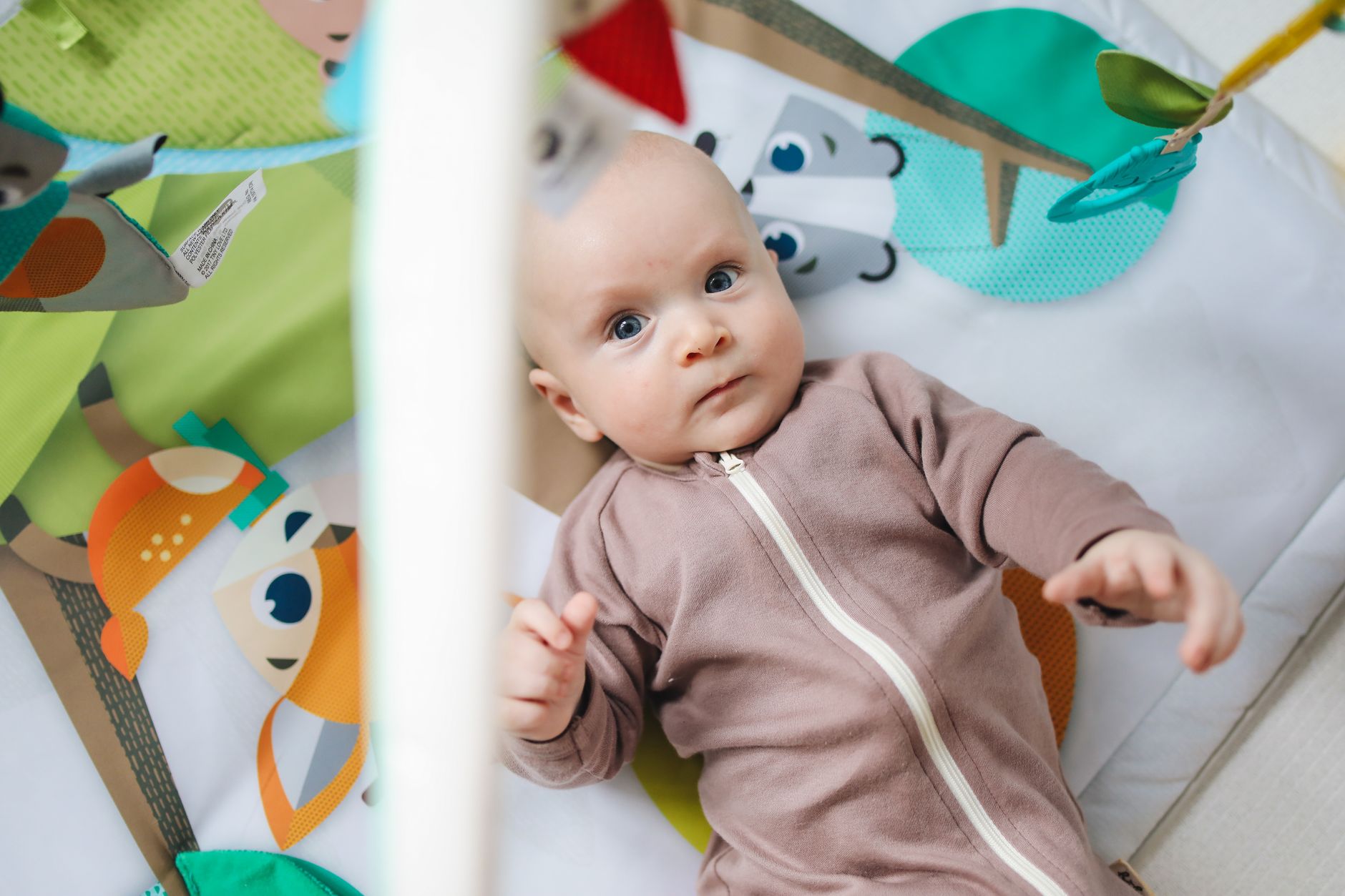
As a new parent, you're constantly observing your little one, trying to understand every coo, wiggle, and reflex. Among the many fascinating developmental milestones, primitive reflexes play a key role in your baby's early survival and growth. One such important reflex is the Symmetric Tonic Neck Reflex, or STNR. You might start noticing this reflex around 6 to 9 months of age. It's a natural part of your baby's journey towards more complex movements, like crawling and eventually walking. Think of it as a stepping stone in their motor development. Like other primitive reflexes, the STNR is designed to be temporary; it typically integrates, meaning it disappears, between 9 and 12 months of age. Understanding what STNR is, why it's important, and what it looks like can help you support your baby's development and know when to seek professional advice.
What Exactly is the Symmetric Tonic Neck Reflex (STNR)?
The STNR is an involuntary movement pattern that influences how your baby's arms and legs respond to head movements. It's often called the 'crawling reflex' because it plays a significant role in helping babies get into the hands-and-knees position, a precursor to crawling. Essentially, it coordinates the upper and lower parts of your baby's body.
How STNR Works: The Mechanics
Here's a simple breakdown of how STNR manifests:
- Head Flexion: When your baby tucks their chin towards their chest (head moves forward), their arms will bend (flex), and their legs will straighten (extend).
- Head Extension: When your baby extends their head backward (looks up or tilts head back), their arms will straighten (extend), and their legs will bend (flex).
This reflex helps your baby learn to use the top half of their body (arms) and the bottom half (legs) somewhat independently. This dissociation is vital for developing controlled movements and balance.
Why is STNR Important for Development?
The STNR is more than just a quirky reflex; it's a building block for several key developmental skills:
- Crawling: It helps babies achieve the hands-and-knees position and initiate rocking movements, which are essential for learning to crawl. Crawling itself is a critical stage for developing coordination, spatial awareness, and strengthening muscles needed for walking.
- Hand-Eye Coordination: By coordinating arm and leg movements with head position, STNR contributes to the development of hand-eye coordination. This skill is fundamental for interacting with the environment, playing, and eventually writing.
- Vision Development: The reflex helps babies learn to focus their vision as they move their heads. They learn to maintain visual attention while their body is in motion.
- Body Awareness (Proprioception): STNR helps babies understand where their limbs are in space and how they move, contributing to their overall body awareness.
STNR in Context: Primitive Reflexes and Their Integration
Your baby is born with a set of primitive reflexes, which are automatic, involuntary movements controlled by the brainstem. These reflexes are present at birth and are crucial for survival (like rooting for feeding) and early development. As the brain matures, these reflexes are gradually inhibited or 'integrated' into more voluntary, controlled movements. The STNR is one of these primitive reflexes.
A Common Scenario: Imagine your baby is on their tummy, pushing up slightly with their arms while their legs are bent. As they lift their head to look at a toy, you might notice their arms extend and legs bend. Conversely, if they tuck their chin, their arms might bend and legs straighten. This is STNR in action, helping them explore movement patterns!
The STNR typically emerges around 6 to 9 months and should integrate by 12 months. As STNR begins to appear, another primitive reflex, the Asymmetric Tonic Neck Reflex (ATNR), usually starts to disappear. ATNR, often called the 'fencing reflex,' causes an infant lying on their back to extend the arm and leg on the side they turn their head towards, while flexing the limbs on the opposite side. It looks like a fencer's pose.
What if STNR Doesn't Integrate on Time?
While most babies integrate their STNR smoothly within the expected timeframe, sometimes it can persist beyond 12 months. If primitive reflexes like STNR are retained for too long, they might impact a child's development. A 2016 study suggested that retained primitive reflexes in older children could be associated with difficulties in social and educational areas.
Signs that STNR might not be fully integrated might include:
- 'Bear Walking': Instead of crawling on hands and knees, a child might move on their hands and feet with their bottom in the air, resembling a bear's gait.
- Skipping Crawling: Some babies might skip the crawling stage altogether and go directly to walking.
- Preference for Lying Down: A child might prefer lying on the floor to sitting, potentially due to difficulty maintaining posture or integrating reflexes.
It's important to remember that these can sometimes be normal variations in development. Many children who exhibit these patterns still develop typically. However, if you notice these or have broader concerns about your baby's motor milestones, it's always best to consult your pediatrician.
When to Consult Your Pediatrician
Your pediatrician is your best resource for assessing your baby's development. They are trained to observe and evaluate primitive reflexes and motor milestones. If you have any concerns about your baby's development, including:
- Delayed motor milestones (e.g., not rolling over, sitting, or crawling by expected ages).
- Unusual movement patterns.
- Concerns about your baby's coordination or balance.
- Persistent primitive reflexes beyond the typical age range.
Your pediatrician can perform a developmental assessment. If they suspect a delay or problem with motor development, they may specifically check for the presence and integration of primitive reflexes like STNR. They can also rule out any underlying neurological or developmental conditions.
Fostering Healthy Development
While you can't force reflexes to integrate, you can support your baby's overall motor development through play and interaction:
- Tummy Time: Plenty of supervised tummy time helps babies build strength in their neck, back, and shoulders, crucial for developing crawling skills.
- Encourage Movement: Provide opportunities for your baby to explore different positions – rolling, sitting, and eventually crawling.
- Interactive Play: Engage with your baby through songs, games, and toys that encourage reaching and grasping.
Remember, every baby develops at their own pace. Observing their reflexes and movements is a window into their incredible journey of growth. Trust your instincts and communicate any concerns with your pediatrician.
FAQ Section
Q1: Is it always a problem if my baby doesn't crawl?
A: Not necessarily. Some babies skip crawling and go straight to walking. However, crawling is beneficial for developing coordination. If you have concerns, discuss them with your pediatrician.
Q2: How can I tell if my baby's STNR is integrated?
A: Pediatricians assess reflex integration through specific tests. As a parent, you can observe if your baby is moving beyond the typical patterns associated with STNR and achieving more independent movements. If you're unsure, your pediatrician can provide an assessment.
Q3: Can I do exercises to help my baby's STNR integrate faster?
A: While specific exercises are often recommended by therapists for children with retained reflexes, for typically developing babies, the best approach is to provide ample opportunities for free play and movement exploration. Focus on supervised tummy time and encouraging natural motor development. Always consult a healthcare professional before starting any specific exercises.